
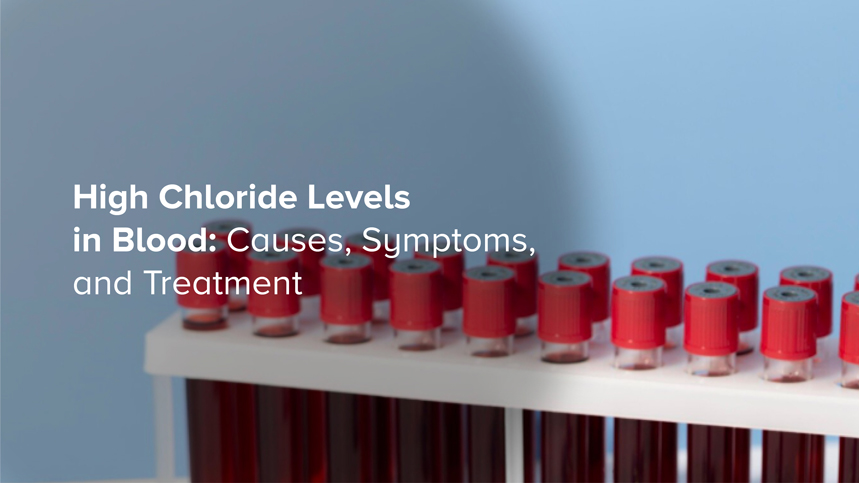


Elevated chloride levels in blood, medically termed hyperchloremia, represent a significant electrolyte imbalance that requires immediate medical attention. This condition affects the body's ability to maintain proper fluid balance and can indicate underlying health complications that demand comprehensive diagnostic evaluation and targeted treatment approaches.
Chloride serves as one of the body's essential electrolytes, working alongside sodium and potassium to regulate fluid distribution, maintain blood pressure, and support proper nerve and muscle function. When chloride concentrations exceed normal ranges—typically 96-106 milliequivalents per liter (mEq/L)—the body's chemical balance becomes disrupted, potentially leading to serious health consequences.
Understanding Chloride and Its Role in the Body
Chloride is the most abundant negatively charged ion in the body's extracellular fluid. It works with sodium to maintain fluid balance, regulate blood volume, and support acid-base equilibrium. The kidneys primarily control chloride levels through filtration and reabsorption processes. Normal blood chloride levels range between 96-106 mEq/L, with values above 106 mEq/L indicating hyperchloremia and below 96 mEq/L suggesting hypochloremia.
Primary Causes of High Chloride Levels
Recognizing Symptoms of High Chloride Levels
Early symptoms are often subtle and may include increased thirst, dry mouth, fatigue, mild confusion, difficulty concentrating, and mood changes. Progressive symptoms can involve muscle weakness, cramping, twitching, nausea, vomiting, and loss of appetite. Severe hyperchloremia can lead to life-threatening complications such as kidney failure, cardiovascular instability, seizures, coma, or altered mental status.
Diagnostic Approaches and Testing
Treatment Strategies and Management
Conclusion
High chloride levels in blood represent a serious medical condition requiring prompt recognition, evaluation, and treatment. Understanding the causes, symptoms, and treatment options allows patients and healthcare providers to manage this electrolyte imbalance effectively. Regular monitoring through laboratory testing enables early detection, timely intervention, and prevention of serious complications.

Why Early Screening Is the Key to Preventing Chronic Diseases Chronic diseases...
06-04-2026
Why Home Sample Collection Is Becoming the Future of Diagnostic Testing Healthcare...
06-04-2026
Typhoid vs Malaria: Which Blood Tests Help Diagnose Them? Fever, fatigue, chills,...
06-04-2026
Diabetes
60
Vitamin Deficiency
15
Heart Disease & Hypertension
39
Gastrointestinal
2
Infectious
1
Genomics
1
Genetics
1
Gastrointestinal / Skeletomuscular
2
Allergy
9
Blood Disorders
3
Fever
4
Kidney Disease
8
Thyroid Disorder
5
Liver Disease
6
Anemia
5
Infertility
6
PCOD
3
Bone Health
1
Cancer
1
Fatty Liver
1
Book lab tests, access reports instantly, and get seamless home sample collection with advanced technology.
Trusted by millions, Ampath Labs ensures accurate diagnostics, convenience, and care at your fingertips.




 Select Location



 Get 15% OFF on 1st order above ₹100 Use code: