
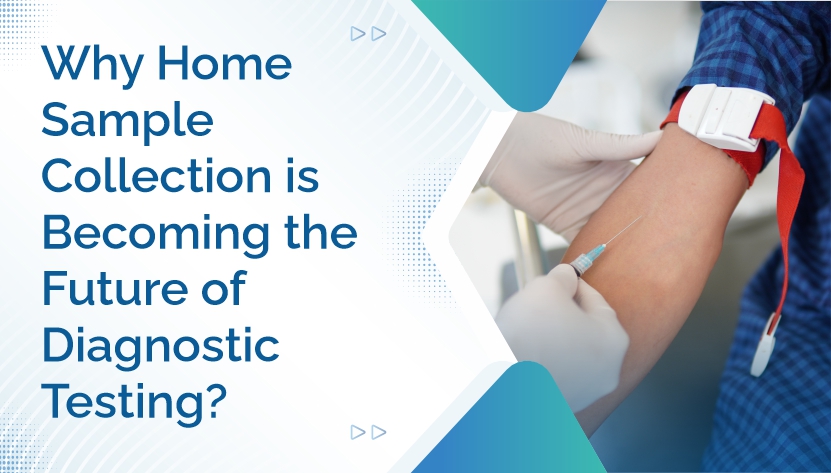


Healthcare is rapidly evolving, and diagnostic services are undergoing one of the most significant transformations. Traditionally, patients had to visit hospitals or diagnostic laboratories to undergo tests, often waiting in long queues and adjusting their schedules around lab timings. Today, however, home sample collection is changing the way diagnostic testing works.
With the growing demand for convenience, digital healthcare solutions, and preventive health awareness, home sample collection services are becoming increasingly popular. Diagnostic laboratories now offer the option of booking tests online and having a trained technician visit the patient’s home to collect blood, urine, or other samples.
What Is Home Sample Collection?
Home sample collection is a service in which a trained phlebotomist or healthcare professional visits a patient's residence to collect biological samples blood, urine, saliva, or other specimens for laboratory analysis. The samples are then transported to an accredited diagnostic lab, processed under standard protocols, and results are delivered digitally or in printed form.
This service is particularly well-suited for routine health checkups, chronic disease monitoring, pre-surgical testing, and wellness screenings. It accommodates a wide range of diagnostic tests, from complete blood counts and lipid profiles to thyroid panels and diabetes markers.
Why the Demand for Home Sample Collection Is Growing
Greater Awareness of Preventive Healthcare
Patients are increasingly invested in monitoring their health proactively, rather than waiting until symptoms escalate. Regular diagnostic testing plays a central role in preventive care detecting early signs of conditions such as anemia, high cholesterol, thyroid dysfunction, and diabetes before they become serious.
For many individuals, the barrier to regular testing is not a lack of willingness, but a lack of ease. Home sample collection removes the logistical friction that often causes people to delay or avoid routine screenings.
Aging and Immobile Populations
Elderly patients, individuals with mobility limitations, and those managing chronic illnesses often find traveling to a diagnostic center physically demanding. For this demographic, home sample collection is not simply a convenience it is a necessary accommodation that allows them to access essential healthcare without the strain of travel.
Post-Pandemic Behavioral Shifts
The COVID-19 pandemic fundamentally altered how patients think about visiting healthcare facilities. Concerns around infection control and crowded waiting areas prompted a shift toward home-based and telehealth services. While many pandemic-era restrictions have lifted, the preference for remote healthcare interactions has remained strong among a significant portion of the population.
Busy Urban Lifestyles
Working professionals, parents managing full households, and individuals with demanding schedules often struggle to allocate time for a lab visit during standard operating hours. Morning fasting blood tests, in particular, require early-morning appointments that conflict with work or family commitments. Home sample collection offers flexible scheduling, including early-morning slots, that align with patients' daily routines rather than disrupting them.
The Clinical Reliability of Home-Collected Samples
A common concern among patients and clinicians is whether samples collected at home are as reliable as those obtained in a clinical setting. When executed by trained professionals following standardized protocols, home-collected samples yield results that are clinically equivalent to those gathered in a lab or hospital environment.
Reputable diagnostic providers ensure that:
Patients can and should verify that their chosen provider operates under these standards before scheduling a home collection appointment.
Key Benefits of Home Sample Collection
Comfort and Reduced Anxiety
For many patients particularly children and those with needle anxiety having blood drawn in a familiar environment can significantly reduce stress. A calm, comfortable setting often makes the collection process smoother for both the patient and the professional performing it.
Time Efficiency
The elimination of travel, parking, and waiting room time translates directly into time saved. Patients can schedule a home visit during a window that suits them and resume their day with minimal disruption.
Improved Compliance With Monitoring Schedules
Patients managing chronic conditions such as diabetes, hypothyroidism, or cardiovascular disease require frequent monitoring. When testing is easier to access, patients are more likely to adhere to their prescribed testing schedules an outcome that directly supports better disease management and clinical outcomes.
Digital Access to Results
Most home sample collection services are integrated with digital platforms that allow patients to access their reports securely online. This makes it straightforward to share results with a physician, track trends over time, and maintain organized health records.
Suitable for All Age Groups
Home collection accommodates the full spectrum of patient demographics from infants and young children to elderly individuals without the need for each family member to make a separate trip to a diagnostic facility.
What to Expect During a Home Sample Collection Visit
Understanding the process helps patients prepare effectively and ensures the visit goes smoothly.
1. Scheduling: Patients book an appointment online or by phone, selecting a convenient time slot and specifying the tests required.
2. Preparation: Depending on the tests ordered, the patient may need to fast for a specified period beforehand. Instructions are typically provided at the time of booking.
3. Collection: A trained professional arrives at the scheduled time with sterile equipment and collects the required samples following standard aseptic technique.
4. Transport: Samples are packaged according to laboratory specifications and transported to an accredited facility for analysis.
5. Reporting: Results are typically delivered within 24 to 48 hours via a secure digital platform, email, or physical report, depending on the provider and test type.
Choosing a Reliable Home Sample Collection Provider
Not all home collection services operate at the same standard. When selecting a provider, patients should consider the following:
Choosing an established, accredited diagnostic provider with a documented track record gives patients the confidence that their results are accurate, secure, and actionable.
The Road Ahead for Home-Based Diagnostics
The infrastructure supporting home sample collection is becoming more sophisticated. Integration with electronic health records, real-time tracking of sample status, AI-assisted result interpretation, and expanded test menus are among the developments shaping the next phase of this service.
Healthcare systems globally are also recognizing that decentralized diagnostics where testing is brought closer to the patient rather than requiring the patient to come to the test can reduce pressure on clinical facilities while improving patient engagement and outcomes.
Conclusion
Home sample collection represents a meaningful evolution in diagnostic services one that aligns with how patients want to engage with healthcare: on their own schedule, in their own environment, without unnecessary barriers.
The clinical standard does not diminish because the location has changed. What changes is the patient's experience and that change carries genuine value. For individuals seeking convenient, reliable, and professionally managed diagnostic testing, home sample collection is a practical and well-founded option.

Food-related reactions are often lumped together under a single umbrella, but food...
17-09-2026

For decades, cholesterol testing has been the cornerstone of cardiovascular risk...
17-09-2026

Chronic fatigue syndrome (chronic fatigue syndrome), also known as myalgic encephalomyelitis...
17-09-2026
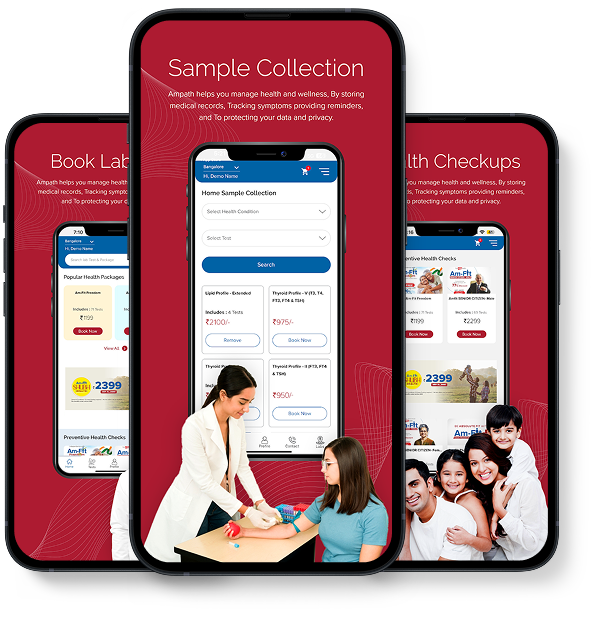
Book lab tests, access reports instantly, and get seamless home sample collection with advanced technology.
Trusted by millions, Ampath Labs ensures accurate diagnostics, convenience, and care at your fingertips.



 Select Location



 Get 15% OFF on 1st order above ₹100 Use code:



































































.jpg)