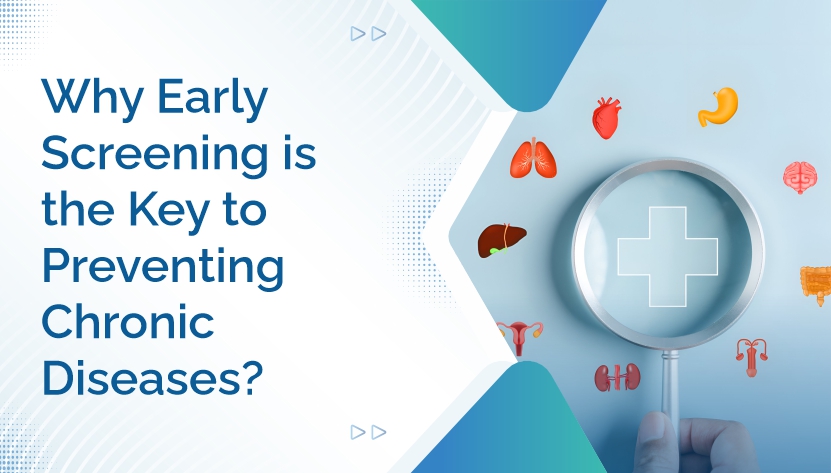


Chronic diseases heart disease, diabetes, cancer, and chronic kidney disease among them account for 74% of all deaths globally, according to the World Health Organization. Yet a significant proportion of these deaths are preventable. The single most effective strategy available isn't a new drug or surgical procedure. It's early screening.
What Is Early Screening and Why Does Timing Matter?
Early screening refers to the use of diagnostic tests, physical examinations, and laboratory analyses to detect diseases in their pre-symptomatic or early stages. The goal is to identify abnormalities before they progress into serious, harder-to-treat conditions.
Timing is critical because most chronic diseases develop silently. Type 2 diabetes, for example, can go undiagnosed for years while steadily damaging the kidneys, eyes, and nerves. By the time symptoms become apparent, significant and sometimes irreversible harm has already occurred.
Early detection interrupts this process. It gives healthcare providers the opportunity to intervene at the point when treatment yields the best outcomes. It also gives patients the information they need to make meaningful lifestyle changes.
Chronic Diseases Where Early Screening Makes the Greatest Difference
Cardiovascular Disease
Heart disease is the leading cause of death worldwide. Risk factors such as high blood pressure, elevated cholesterol, and arterial inflammation can be present for years without producing obvious symptoms. Routine blood pressure checks, lipid panels, and blood glucose tests allow physicians to identify and manage these risk factors early reducing the likelihood of heart attack or stroke.
Type 2 Diabetes
The International Diabetes Federation estimates that over 240 million people are currently living with undiagnosed diabetes. A simple fasting blood glucose or HbA1c test can detect prediabetes a reversible condition before it progresses into full-type 2 diabetes. Early intervention through diet, exercise, and medication can normalize blood sugar levels and prevent the serious complications associated with the disease.
Cancer
Several of the most common cancers respond exceptionally well to early detection:
Chronic Kidney Disease
The kidneys rarely produce symptoms until their function is severely compromised. A basic urinalysis and serum creatinine test can detect early signs of kidney damage, allowing physicians to slow disease progression and potentially avoid the need for dialysis.
Osteoporosis
Bone density loss is gradual and painless until a fracture occurs. DEXA scans can measure bone mineral density in at-risk individuals particularly postmenopausal women and older adults enabling preventive treatment before fractures happen.
How Early Screening Works
Screening programs typically involve a structured set of tests tailored to an individual's age, sex, family history, and known risk factors. A comprehensive health check may include:
Reputable diagnostic centers provide detailed reports with reference ranges, making it straightforward for both patients and physicians to interpret results and determine next steps.
The Economic Case for Early Screening
Beyond the human cost, chronic diseases impose a substantial economic burden. The CDC estimates that chronic diseases account for 90% of the United States' $4.1 trillion annual healthcare expenditure. Much of this spending is concentrated in the management of advanced-stage disease costs that could be significantly reduced through earlier detection and intervention.
From the patient's perspective, treating a condition at an early stage is almost always less expensive than managing a complex, advanced illness. A blood glucose test costs a fraction of what chronic diabetes management demands over a lifetime. A mammogram is far less costly financially and personally than chemotherapy and surgical intervention for advanced breast cancer.
Who Should Consider Early Screening?
While universal screening recommendations vary by country and clinical body, the following groups are generally prioritized:
That said, early screening is not exclusively for high-risk individuals. Establishing baseline health metrics while you are healthy gives physicians a reference point for detecting meaningful changes over time.
Barriers to Early Screening and How to Overcome Them
Despite the clear benefits, many people delay or avoid screening. Common barriers include:
Understanding that early screening is an act of health assurance not a search for problems can shift the perspective significantly.
Conclusion
Early screening is one of the most evidence-backed tools available for preventing chronic disease and extending healthy life expectancy. The conditions that cause the most harm heart disease, diabetes, cancer, kidney disease are also the conditions that respond best to early intervention. Waiting for symptoms is a gamble that carries real consequences.
Scheduling a comprehensive health check is a straightforward, actionable step toward better health outcomes. Speak with your healthcare provider about which screening tests are appropriate for your age and risk profile, and commit to regular check-ups as part of your broader health strategy. The earlier a concern is identified, the greater the ability to address it effectively.

Food-related reactions are often lumped together under a single umbrella, but food...
17-09-2026

For decades, cholesterol testing has been the cornerstone of cardiovascular risk...
17-09-2026
Chronic fatigue syndrome (chronic fatigue syndrome), also known as myalgic encephalomyelitis...
17-09-2026
Book lab tests, access reports instantly, and get seamless home sample collection with advanced technology.
Trusted by millions, Ampath Labs ensures accurate diagnostics, convenience, and care at your fingertips.




 Select Location



 Get 15% OFF on 1st order above ₹100 Use code:


































































.jpg)