


Kidney stone pain is often described as one of the most intense forms of pain a person can experience. It can strike suddenly, radiating from the lower back to the groin, and leave individuals in extreme discomfort. However, kidney stones do not appear overnight. In many cases, they develop silently over months or even years.
Kidney stones are common and affect nearly one in ten people at some point in their lifetime. By the time pain begins, the stone may already be large enough to cause blockage, infection, or kidney damage. Early screening plays a crucial role in detecting stones before they become a medical emergency.
The Silent Nature of Kidney Stones
One of the most concerning aspects of kidney stones is that they often grow without causing symptoms. Pain usually starts only when a stone moves from the kidney into the ureter, the narrow tube that carries urine to the bladder.
During this symptom-free period, stones can gradually increase in size as minerals continue to deposit. Early screening through imaging tests can identify these silent stones, allowing treatment before severe pain or complications occur.
Detecting stones early may allow management with hydration, dietary changes, medication, or non-invasive procedures such as shock wave therapy, reducing the need for urgent surgery.
Who Should Consider Kidney Stone Screening?
Although anyone can develop kidney stones, certain individuals face a higher risk and may benefit from early screening.
Personal or Family History
People who have had kidney stones in the past are more likely to develop them again. A family history of kidney stones also increases risk due to genetic factors.
Chronic Dehydration
Insufficient fluid intake or living in hot climates can result in concentrated urine, which promotes the crystallization of stone-forming minerals.
Dietary Habits
Diets high in salt, animal protein, and sugar increase the risk of stone formation. Excess sodium causes the kidneys to excrete more calcium into the urine, encouraging stone development.
Medical Conditions
Certain health conditions raise the likelihood of kidney stones.
Hyperparathyroidism can elevate calcium levels in blood and urine
Inflammatory bowel diseases may affect fluid and mineral absorption
Obesity and metabolic disorders are linked to higher stone risk
Risks of Ignoring Early Warning Signs
Delaying diagnosis until pain begins can have serious consequences. A stone blocking urine flow can cause kidney swelling and long-term damage if untreated.
Obstruction can also trap bacteria, increasing the risk of severe infections and sepsis, which can be life-threatening. Early screening allows stones to be managed safely before complications arise.
What Does Kidney Stone Screening Involve?
Screening for kidney stones is usually simple and non-invasive. It often begins with an evaluation of symptoms, lifestyle, and medical history.
Urine Testing
Urinalysis can detect blood, infection, or crystal formation. A 24-hour urine test may also be recommended to assess urine volume and mineral levels associated with stone formation.
Blood Testing
Blood tests help evaluate kidney function and measure levels of calcium, uric acid, and other substances linked to kidney stones.
Imaging Tests
Imaging is essential for confirming the presence, size, and location of kidney stones.
Ultrasound provides a radiation-free option for detection
CT scans offer precise imaging and are considered the gold standard
X-rays may detect certain calcium-based stones
Prevention Is Better Than Cure
Early screening allows doctors to understand individual risk factors and create personalized prevention strategies. This may include dietary adjustments, increased fluid intake, or medications that alter urine composition.
Without screening, prevention efforts may be ineffective or incomplete, allowing stones to continue forming unnoticed.
Conclusion
Kidney stones often develop quietly, but their consequences can be severe if ignored. Early screening helps detect stones before they cause pain, infection, or kidney damage.
If you have risk factors such as dehydration, previous kidney stones, or certain medical conditions, discuss screening with your healthcare provider. A simple evaluation today can help prevent a painful and potentially dangerous situation in the future.

Food-related reactions are often lumped together under a single umbrella, but food...
17-09-2026

For decades, cholesterol testing has been the cornerstone of cardiovascular risk...
17-09-2026
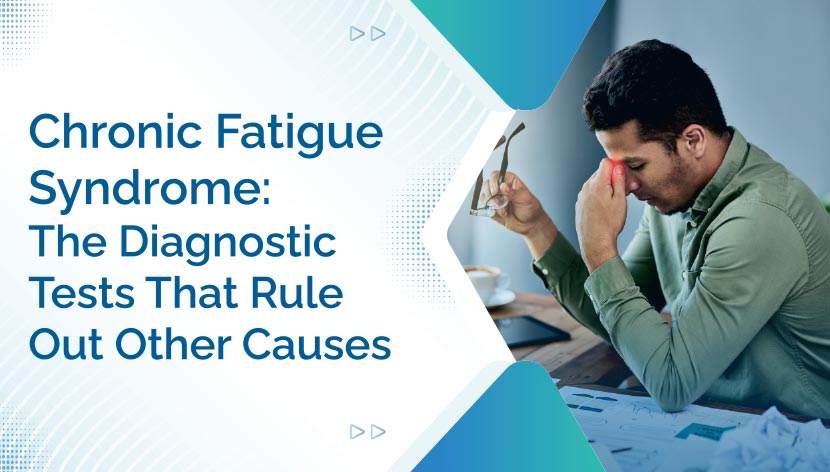
Chronic fatigue syndrome (chronic fatigue syndrome), also known as myalgic encephalomyelitis...
17-09-2026
Book lab tests, access reports instantly, and get seamless home sample collection with advanced technology.
Trusted by millions, Ampath Labs ensures accurate diagnostics, convenience, and care at your fingertips.




 Select Location



 Get 15% OFF on 1st order above ₹100 Use code:

































































.jpg)