
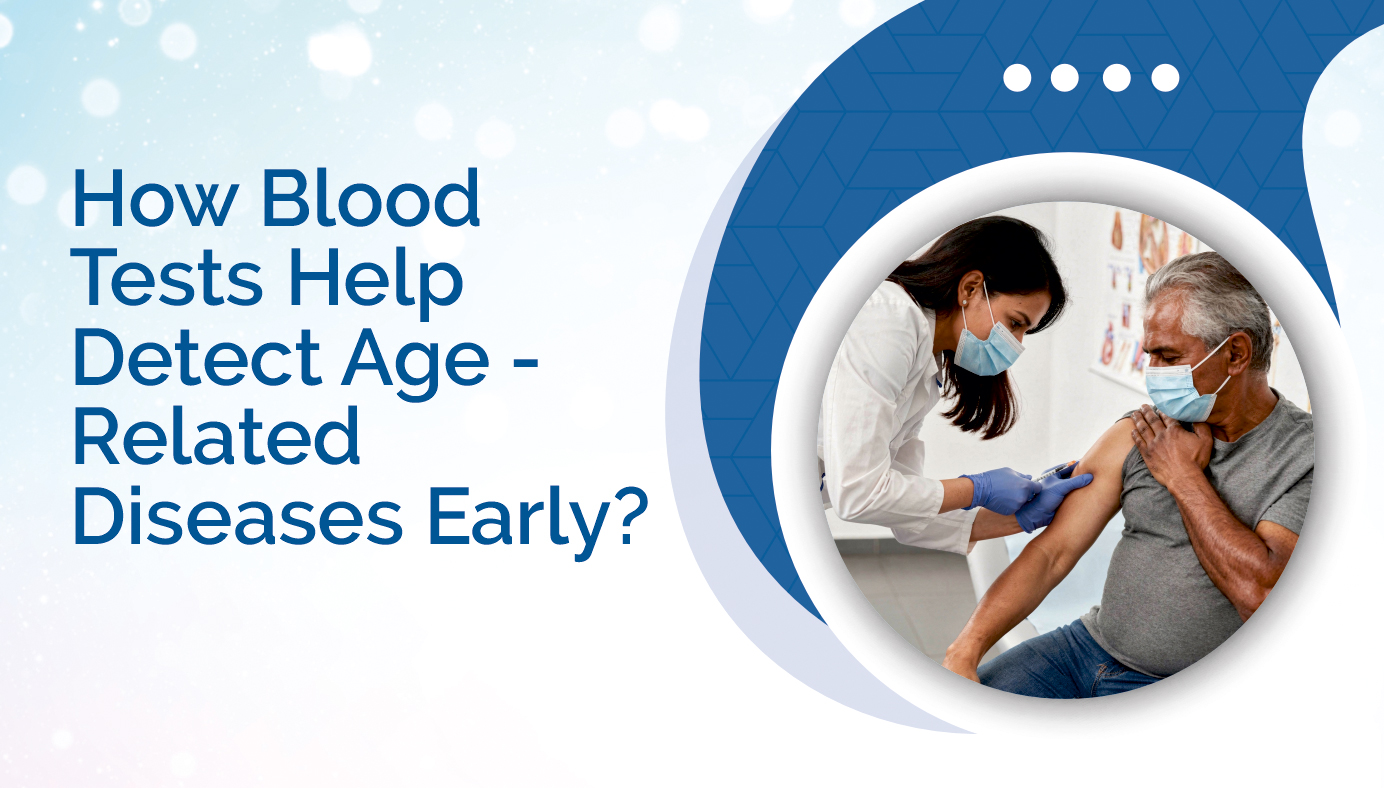


As we grow older, our bodies naturally undergo several changes. Metabolism slows, immunity weakens, and the risk of chronic illnesses increases. Many age-related diseases develop silently, showing no clear symptoms in their early stages. This is why early detection becomes critical—and blood tests play a vital role in identifying health issues before they turn into serious medical conditions.
Regular blood testing is one of the simplest and most effective ways to monitor internal health. It provides valuable insights into organ function, nutrient levels, inflammation, and metabolic balance, helping doctors detect early warning signs of diseases commonly associated with aging.
Why Early Detection Is Crucial as You Age
Age-related diseases such as diabetes, heart disease, kidney disorders, thyroid problems, anemia, and certain cancers often progress gradually. By the time symptoms appear, the condition may already be advanced and harder to treat.
Early detection offers several advantages:
Blood tests help identify subtle biochemical changes that occur long before physical symptoms develop, making them essential for preventive healthcare.
How Blood Tests Reveal What's Happening Inside Your Body
Blood circulates through every organ and tissue, carrying oxygen, nutrients, hormones, and waste products. Any dysfunction in organs or metabolic systems often reflects in blood parameters.
Blood tests can detect:
These indicators help doctors assess overall health and detect disease risk early, especially in middle-aged and older adults.
Key Age-Related Diseases That Blood Tests Can Detect Early
1. Diabetes and Prediabetes
Type 2 diabetes is one of the most common age-related metabolic disorders. Many people remain undiagnosed for years because early symptoms are mild or absent.
Important blood tests include:
These tests can detect insulin resistance and prediabetes, allowing lifestyle changes that can delay or even prevent full-blown diabetes.
2. Heart Disease and Stroke Risk
Cardiovascular diseases remain the leading cause of death worldwide, especially in older adults. Blood tests can identify risk factors well before heart problems develop.
Key tests include:
High cholesterol and inflammation increase the risk of blocked arteries, heart attacks, and strokes. Early detection allows diet changes, exercise, and medications to manage risk effectively.
3. Kidney Disease
Kidney function often declines with age, especially in people with diabetes or high blood pressure. Early-stage kidney disease usually has no symptoms.
Blood tests that help detect kidney problems:
Monitoring these values helps detect reduced kidney function early, preventing progression to chronic kidney disease or dialysis.
4. Liver Disorders
The liver plays a crucial role in detoxification and metabolism. Fatty liver disease, hepatitis, and liver damage from long-term medication or alcohol can develop silently.
Liver function tests (LFT) measure:
Abnormal values can indicate liver inflammation or damage, enabling early treatment and lifestyle changes.
5. Thyroid Disorders
Thyroid problems become more common with age, especially in women. Hypothyroidism can cause fatigue, weight gain, depression, and memory problems, which are often mistaken for normal aging.
Blood tests for thyroid function:
Early detection prevents complications like heart problems, infertility, and metabolic disorders.
6. Anemia and Nutritional Deficiencies
Older adults are at higher risk of anemia and vitamin deficiencies due to poor absorption, chronic illnesses, or inadequate diet.
Blood tests can identify:
Untreated anemia can cause fatigue, dizziness, cognitive decline, and increased fall risk, while vitamin deficiencies can weaken bones and immunity.
7. Bone Health and Osteoporosis Risk
While bone density scans diagnose osteoporosis, blood tests help detect risk factors that contribute to bone loss.
Important blood markers:
Low vitamin D and calcium levels increase fracture risk, especially in postmenopausal women and elderly individuals.
8. Inflammation and Autoimmune Conditions
Chronic low-grade inflammation increases with age and is linked to arthritis, heart disease, and neurodegenerative disorders.
Blood tests include:
These help identify inflammatory and autoimmune conditions early, allowing prompt management.
Blood Tests and Cancer Risk Monitoring
While blood tests cannot diagnose all cancers, certain markers can indicate abnormal cell activity or organ stress.
Examples include:
Abnormal results guide doctors toward further imaging or biopsy when needed, enabling early cancer detection and better treatment outcomes.
How Often Should Older Adults Get Blood Tests?
The frequency of testing depends on age, medical history, and risk factors.
General recommendations:
Routine testing allows trend monitoring, which is often more valuable than a single abnormal result.
Benefits of Regular Blood Testing in Aging
Regular blood tests help in:
They also provide peace of mind by confirming that internal health is on track.
Role of Preventive Health Checkup Packages
Comprehensive health checkup packages combine multiple blood tests to evaluate overall health in one go. These packages are designed based on age and gender, covering:
Preventive packages simplify regular screening and improve compliance with routine health monitoring.
Lifestyle Changes Guided by Blood Test Results
Blood test reports can motivate positive changes such as:
When individuals see tangible data about their health, they are more likely to follow medical advice and maintain healthy habits.
Overcoming Barriers to Regular Testing
Many people avoid blood tests due to fear, inconvenience, or busy schedules. However, modern diagnostic services now offer:
These services make preventive healthcare more accessible, especially for senior citizens and working professionals.
The Bigger Picture: Healthy Aging Through Preventive Care
Aging does not have to mean declining health. With regular monitoring and timely medical care, many age-related diseases can be prevented, delayed, or effectively managed.
Blood tests serve as an early warning system, helping individuals take control of their health before serious symptoms develop. Preventive healthcare is not just about living longer—it's about living healthier and more independently in later years.
Conclusion
Blood tests are powerful tools in detecting age-related diseases at an early stage, often before symptoms appear. From diabetes and heart disease to kidney disorders, anemia, thyroid problems, and inflammation, routine blood testing provides critical insights into overall health.
By identifying risks early, individuals can make informed lifestyle changes, start timely treatment, and avoid serious complications. Regular preventive screening should be an essential part of healthcare for adults, especially as they grow older.
Investing in routine blood tests today can lead to better health, reduced medical expenses, and improved quality of life in the years ahead.
Food-related reactions are often lumped together under a single umbrella, but food...
17-09-2026
For decades, cholesterol testing has been the cornerstone of cardiovascular risk...
17-09-2026
Chronic fatigue syndrome (chronic fatigue syndrome), also known as myalgic encephalomyelitis...
17-09-2026
Book lab tests, access reports instantly, and get seamless home sample collection with advanced technology.
Trusted by millions, Ampath Labs ensures accurate diagnostics, convenience, and care at your fingertips.




 Select Location



 Get 15% OFF on 1st order above ₹100 Use code:



































































.jpg)