
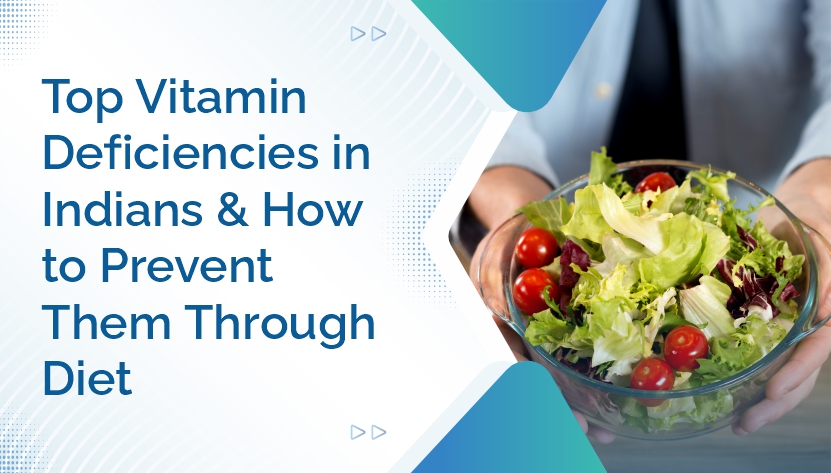


India is a nation celebrated for its diverse and flavorful cuisine. From the wheat-based diets of the north to the rice-centric meals of the south, the Indian palate is vast. However, despite this culinary richness, a significant portion of the population suffers from micronutrient malnutrition, often referred to as "hidden hunger." This condition occurs when the quality of food does not meet the body's nutrient requirements, even if the quantity of food is sufficient.
The "Sunshine Vitamin" Paradox: Vitamin D Deficiency
It is a medical paradox that in a tropical country like India, which receives abundant sunshine throughout the year, Vitamin D deficiency is alarmingly high. Estimates suggest that a vast majority of Indians have insufficient levels of this critical nutrient.
Vitamin D is essential for calcium absorption, maintaining bone density, and supporting immune function. The deficiency is largely attributed to modern indoor lifestyles, pollution which filters out UV rays, and the higher melanin content in Indian skin, which slows down the skin's ability to synthesize the vitamin.
Symptoms to Monitor
• Persistent back pain or joint discomfort
• General fatigue and muscle weakness
• Frequent infections due to compromised immunity
• Hair loss
Dietary Solutions
While sunlight remains the primary source, incorporating specific foods can help bridge the gap.
• Fortified Foods: Many brands of milk and edible oils in India are now fortified with Vitamin D. Checking labels is a prudent habit.
• Fatty Fish: For non-vegetarians, salmon, mackerel, and tuna are excellent sources.
• Egg Yolks: The yolk contains the majority of the egg's vitamins.
• Mushrooms: Certain varieties of mushrooms exposed to sunlight can provide a vegetarian source of Vitamin D.
The Vegetarian Challenge: Vitamin B12 Deficiency
Vitamin B12 is crucial for red blood cell formation, neurological function, and DNA synthesis. This vitamin is naturally found almost exclusively in animal products. Given that a large percentage of the Indian population follows a vegetarian diet, B12 deficiency is rampant. Even non-vegetarians in India often do not consume meat frequently enough to maintain optimal levels.
Long-term deficiency can lead to serious neurological issues and anemia. It is vital to recognize that plant-based foods generally do not provide sufficient B12 unless they are fortified.
Symptoms to Monitor
• Numbness or tingling in the hands and feet
• Difficulty with balance and coordination
• Memory loss or confusion
• Anemia and associated fatigue
Dietary Solutions
• Dairy Products: Milk, curd (yogurt), cheese, and paneer are the most accessible sources for vegetarians.
• Fortified Cereals: Some breakfast cereals are fortified with B12.
• Animal Products: For those who consume them, eggs, chicken, and fish should be included in the diet regularly.
• Supplements: In cases of severe deficiency or strict vegan diets, physician-prescribed supplements may be necessary.
Iron Deficiency Anemia: A Silent Epidemic
While Iron is a mineral rather than a vitamin, it is impossible to discuss nutritional deficiencies in India without addressing it. Iron deficiency anemia remains a major public health concern, particularly among women of reproductive age and young children. Iron is essential for the production of hemoglobin, which carries oxygen in the blood.
The Indian diet is often high in phytates (found in grains and legumes), which can inhibit iron absorption. Furthermore, low consumption of heme iron (found in meat) contributes to lower absorption rates.
Symptoms to Monitor
• Pale skin and fingernails
• Shortness of breath and dizziness
• Extreme fatigue and weakness
• Brittle nails
Dietary Solutions
• Green Leafy Vegetables: Spinach (palak), mustard greens (sarson), and amaranth are rich in iron.
• Legumes and Pulses: Lentils, chickpeas, and kidney beans.
• Jaggery: Replacing refined sugar with jaggery can provide a small boost in iron intake.
• Vitamin C Pairing: To enhance absorption, consume iron-rich foods with Vitamin C sources like lemon, amla (Indian gooseberry), or oranges. Squeezing lemon over dal is a traditional and effective practice.
Vitamin A: Protecting Vision and Immunity
Vitamin A is vital for maintaining healthy vision, skin integrity, and a robust immune system. Deficiency in this vitamin is a leading cause of preventable childhood blindness and increases susceptibility to infections. In India, inadequate intake of yellow and orange vegetables and fruits is a primary cause.
Symptoms to Monitor
• Night blindness or difficulty seeing in low light
• Dry eyes and skin
• Frequent throat and chest infections
• Acne and skin breakouts
Dietary Solutions
• Orange and Yellow Vegetables: Carrots, pumpkins, and sweet potatoes are loaded with beta-carotene, which the body converts to Vitamin A.
• Fruits: Papaya and mangoes are excellent seasonal sources.
• Greens: Spinach, fenugreek (methi), and coriander leaves.
Folic Acid (Vitamin B9): Essential for Growth
Folate is necessary for the production of genetic material (DNA) and cell division. It is critically important during periods of rapid growth, such as pregnancy and infancy. Deficiency can lead to megaloblastic anemia and is a significant risk factor for neural tube defects in newborns.
Symptoms to Monitor
• Persistent fatigue
• Gray hair
• Mouth sores
• Swollen tongue
Dietary Solutions
• Legumes: Lentils, peas, and beans are among the best sources.
• Vegetables: Broccoli, cauliflower, and dark green leafy vegetables.
• Nuts and Seeds: Peanuts and sunflower seeds contribute to daily folate requirements.
Conclusion
While dietary changes are the first line of defense, they are not always sufficient to correct long-standing deficiencies. The symptoms of vitamin deficiencies are often subtle and can mimic other health conditions. Therefore, relying solely on symptoms for diagnosis is not advisable.
At Ampath Labs, we emphasize the importance of accurate diagnostics to understand your body's specific needs. A comprehensive health checkup can identify these silent deficiencies before they manifest into severe health complications.
Food-related reactions are often lumped together under a single umbrella, but food...
17-09-2026
For decades, cholesterol testing has been the cornerstone of cardiovascular risk...
17-09-2026

Chronic fatigue syndrome (chronic fatigue syndrome), also known as myalgic encephalomyelitis...
17-09-2026
Book lab tests, access reports instantly, and get seamless home sample collection with advanced technology.
Trusted by millions, Ampath Labs ensures accurate diagnostics, convenience, and care at your fingertips.




 Select Location



 Get 15% OFF on 1st order above ₹100 Use code:



































































.jpg)