
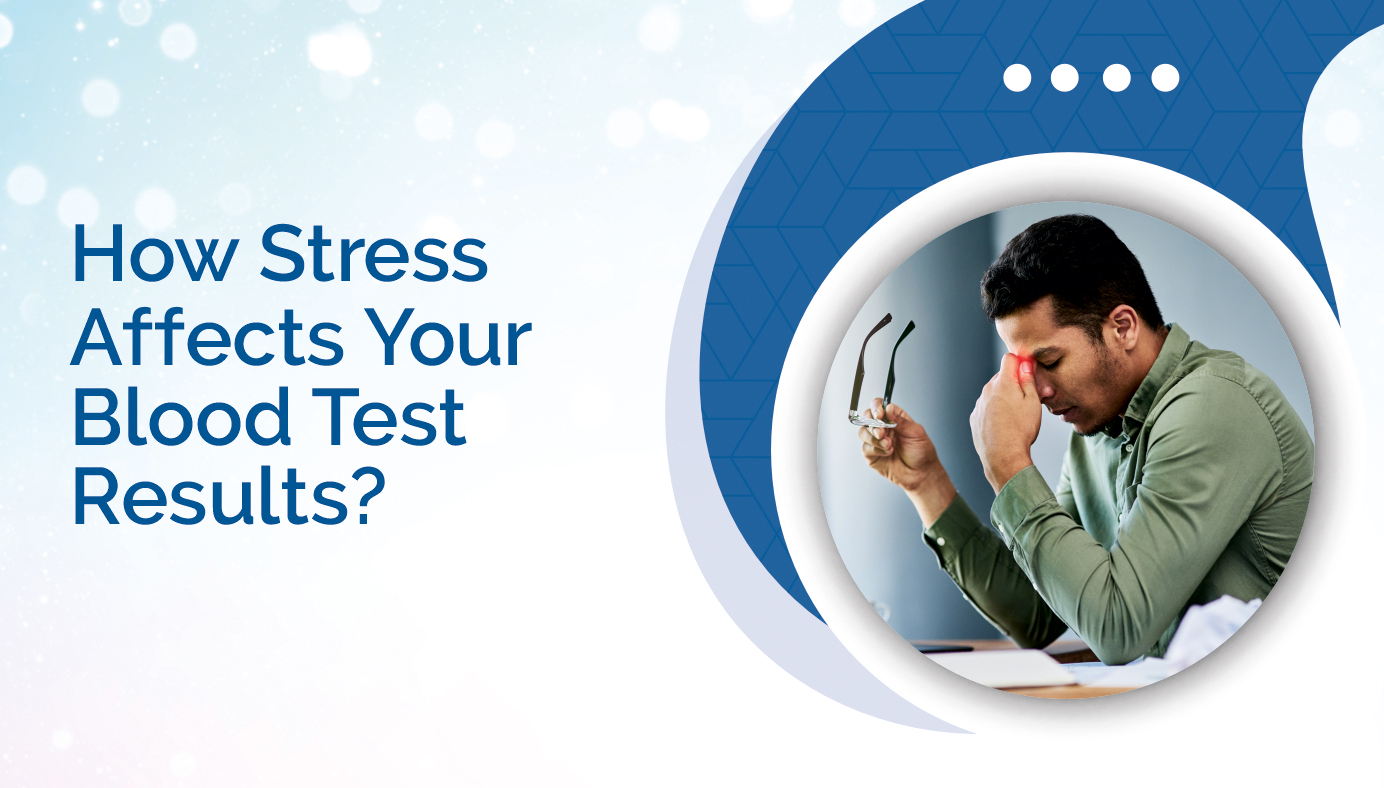


For many individuals, a visit to a diagnostic center or pathology lab triggers a specific type of anxiety. The clinical environment, the anticipation of needles, and the worry regarding potential results can cause a significant physiological response. This phenomenon is so common that medical professionals have a name for it: "White Coat Syndrome." While it is widely known that this anxiety can temporarily spike blood pressure, fewer patients realize that stress can also alter the chemical composition of their blood.
Physiology of Stress: The HPA Axis
When you feel anxious, your hypothalamus signals your pituitary gland, which then signals your adrenal glands. This pathway, known as the Hypothalamic-Pituitary-Adrenal (HPA) axis, floods your bloodstream with stress hormones, primarily cortisol and adrenaline (epinephrine).
These hormones serve a distinct purpose: they prepare the body for immediate physical exertion. Adrenaline increases heart rate and blood pressure, while cortisol mobilizes energy reserves. While this is helpful if you need to run from a predator, it is counterproductive when you are sitting in a chair waiting for a blood draw. The mobilization of energy and the shift in fluids can lead to temporary changes in several key areas of your blood work.
Impact on Blood Glucose Levels
One of the most immediate effects of the fight-or-flight response is the release of glucose into the bloodstream. Cortisol triggers a process called gluconeogenesis, where the liver produces glucose to provide quick energy for muscles. Simultaneously, adrenaline inhibits insulin secretion, preventing the body from storing this sugar.
For a patient undergoing a fasting blood glucose test or an HbA1c test, acute stress can lead to a reading that is higher than their baseline. This hyperglycemia (high blood sugar) can potentially lead to a misdiagnosis of pre-diabetes or diabetes if the physician is unaware of the patient's acute anxiety levels at the time of the draw.
Changes in White Blood Cell Counts
The immune system is highly responsive to psychological stress. Research indicates that acute stress can cause a condition known as "stress leukocytosis." This is a temporary increase in the number of white blood cells (WBCs), particularly neutrophils and lymphocytes, circulating in the blood.
From an evolutionary perspective, this makes sense; if the body is preparing for a fight, it also prepares for potential injury and infection. However, on a Complete Blood Count (CBC) panel, an elevated WBC count is typically a marker for infection, inflammation, or leukemia. A stress-induced spike can confuse the clinical picture, potentially leading to unnecessary follow-up testing to rule out infections that do not exist.
Cholesterol and Lipid Profiles
While acute stress (the anxiety felt right before a test) has a minor impact on lipids, chronic stress typically has a more profound effect. However, even short-term anxiety can cause a phenomenon called hemoconcentration.
During stressful situations, fluid shifts from the blood vessels into the surrounding tissues. This decreases the volume of plasma, effectively making the blood more concentrated. As a result, large molecules like cholesterol, proteins, and red blood cells may appear more concentrated than they actually are. This can lead to falsely elevated readings for:
If your lipid profile returns slightly higher than expected, it is worth discussing your stress levels with your healthcare provider.
Potassium and Electrolyte Imbalance
The stress of a blood draw can occasionally lead to changes in electrolyte levels, specifically potassium. This is often related to hyperventilation. When a patient is anxious, they may breathe rapidly and shallowly. This changes the pH balance of the blood (respiratory alkalosis), which causes potassium to shift from the blood into the cells, potentially resulting in a lower-than-normal potassium reading (hypokalemia).
Conversely, if the blood draw is difficult due to the patient tensing their muscles or dehydration (often linked to stress behaviors), the red blood cells may rupture during the collection process. This hemolysis releases intracellular potassium into the plasma, resulting in a falsely high potassium reading (pseudohyperkalemia).
Reproductive and Thyroid Hormones
The endocrine system is a delicate network of feedback loops, and cortisol is a known disruptor of these loops. High levels of stress hormones can inhibit the secretion of Gonadotropin-Releasing Hormone (GnRH), which subsequently affects Luteinizing Hormone (LH) and Follicle-Stimulating Hormone (FSH). This suppression can alter the results of fertility testing.
Furthermore, cortisol suppresses the production of Thyroid Stimulating Hormone (TSH). For patients undergoing thyroid monitoring, significant stress could lower TSH levels, complicating the diagnosis of hypothyroidism or hyperthyroidism.
Minimizing Stress for Accurate Results
Ensuring the accuracy of your diagnostic tests is a partnership between you and your diagnostic center. While you cannot always control your body's automatic reactions, there are specific steps you can take to mitigate the impact of stress before a phlebotomy appointment.
Prioritize Hydration
Dehydration exacerbates the body's stress response and makes veins more difficult to locate. Drinking plenty of water the day before and the morning of your test (unless strictly prohibited by your physician) keeps veins plump and accessible. This ensures a quicker, smoother, and less painful blood draw, reducing anxiety.
Strategic Scheduling
Schedule your appointment for a time when you are least rushed. Early morning appointments are often best, as they allow you to complete the test before the stressors of the work day begin. Additionally, early appointments reduce the duration of fasting, which minimizes physical stress on the body.
Communication is Key
Inform the phlebotomist if you have a history of fainting, difficult draws, or severe anxiety. Experienced professionals at certified labs know how to manage nervous patients. They can allow you to lie down, use a smaller gauge needle, or simply give you more time to acclimate to the environment.
Controlled Breathing
If you feel your heart rate rising, engage in slow, deep diaphragmatic breathing. Inhale for a count of four, hold for four, and exhale for four. This activates the parasympathetic nervous system, which acts as a brake on the fight-or-flight response, helping to normalize heart rate and blood pressure.
Conclusion
Laboratory results are rarely viewed in isolation. They are pieces of a larger puzzle that includes your medical history, physical symptoms, and lifestyle factors. While stress can alter these numbers, a competent healthcare provider will interpret your results within the context of your overall health.
If you receive results that seem abnormal or inconsistent with your lifestyle, do not hesitate to discuss your anxiety levels during the blood draw with your doctor. In some cases, repeating the test under calmer conditions may be recommended to confirm the data.
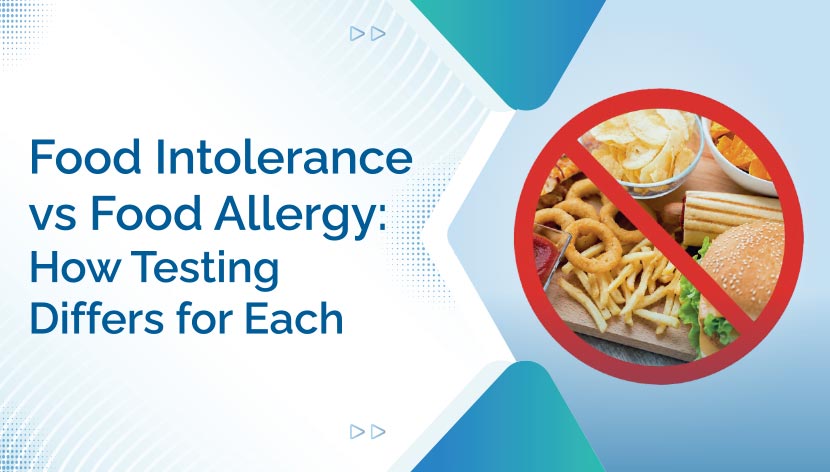
Food-related reactions are often lumped together under a single umbrella, but food...
17-09-2026
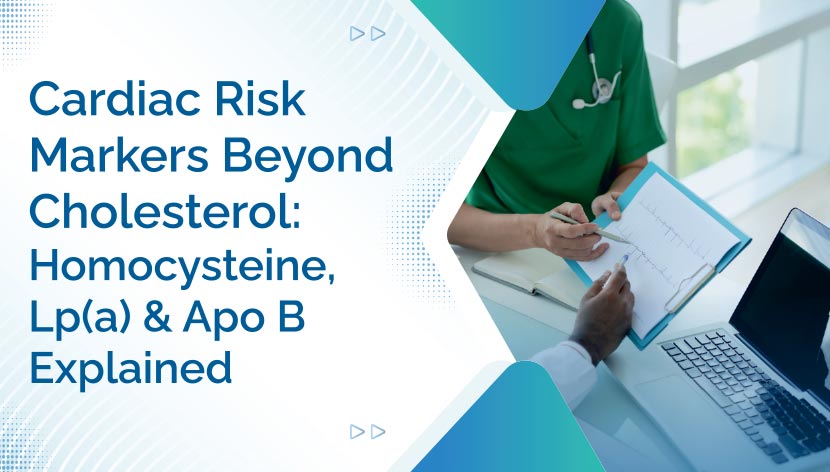
For decades, cholesterol testing has been the cornerstone of cardiovascular risk...
17-09-2026
Chronic fatigue syndrome (chronic fatigue syndrome), also known as myalgic encephalomyelitis...
17-09-2026
Book lab tests, access reports instantly, and get seamless home sample collection with advanced technology.
Trusted by millions, Ampath Labs ensures accurate diagnostics, convenience, and care at your fingertips.




 Select Location



 Get 15% OFF on 1st order above ₹100 Use code:



































































.jpg)