
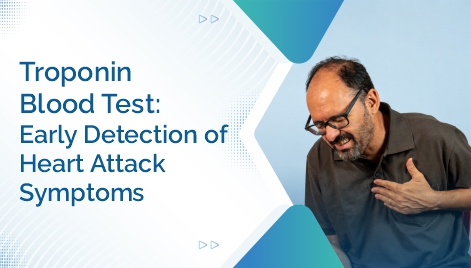


Heart disease remains one of the leading causes of death worldwide, making early diagnosis and timely treatment critical for saving lives. When a person experiences chest pain, shortness of breath, or other symptoms suggestive of a heart attack, doctors often rely on a highly sensitive and accurate blood test called the Troponin Blood Test. This test plays a crucial role in identifying heart muscle damage and helps healthcare providers quickly determine whether a patient is having or has recently experienced a heart attack.
What Is a Troponin Blood Test?
A Troponin Blood Test measures the levels of troponin proteins in the blood. Troponins are proteins found primarily in the heart muscles and are responsible for helping the heart contract and pump blood throughout the body.
Under normal circumstances, very little or no troponin is present in the bloodstream. However, when the heart muscle is damaged, these proteins leak into the blood. Measuring troponin levels allows doctors to detect even small amounts of heart muscle injury.
The test is considered one of the most reliable methods for diagnosing:
Modern high-sensitivity troponin tests can detect very small increases in troponin levels, allowing doctors to identify heart problems much earlier than before.
What Is Troponin?
Troponin is a group of proteins that regulate muscle contraction. There are three main types:
Troponin C (TnC)
Helps bind calcium and initiate muscle contraction.
Troponin I (TnI)
Prevents muscle contraction when calcium is absent.
Troponin T (TnT)
Attaches the troponin complex to muscle fibers.
For heart-related testing, doctors specifically measure:
These proteins are unique to heart muscle cells and are highly sensitive markers of cardiac injury.
Why Is a Troponin Blood Test Performed?
The primary reason for ordering a troponin test is to determine whether a person is experiencing a heart attack.
Doctors may recommend this test when a patient presents with symptoms such as:
The test helps physicians:
Understanding Heart Attacks and Troponin
A heart attack occurs when blood flow to part of the heart muscle becomes blocked, depriving it of oxygen.
Without oxygen, heart muscle cells begin to die. As these cells are damaged, troponin proteins leak into the bloodstream.
Troponin levels typically:
This makes troponin testing extremely valuable for both early diagnosis and monitoring.
Symptoms of a Heart Attack
Recognizing heart attack symptoms early can save lives. Common symptoms include:
Chest Discomfort
The most common symptom is chest pain or pressure that may feel like:
Pain in Other Areas
Pain may spread to:
Shortness of Breath
Many individuals experience difficulty breathing, even without chest pain.
Cold Sweats
Sudden sweating without physical exertion may indicate a cardiac emergency.
Nausea and Vomiting
These symptoms are especially common among women.
Fatigue
Unexplained fatigue or weakness may appear days or weeks before a heart attack.
Dizziness
Lightheadedness and fainting can also occur.
Anyone experiencing these symptoms should seek immediate medical attention.
How Is the Troponin Test Performed?
The procedure is simple and involves a standard blood draw.
Step 1: Blood Collection
A healthcare professional draws a blood sample from a vein, usually in the arm.
Step 2: Laboratory Analysis
The sample is analyzed to determine troponin levels.
Step 3: Repeat Testing
Because troponin levels change over time, doctors often repeat the test after:
Multiple measurements help confirm whether heart muscle damage is ongoing.
Do You Need to Fast Before a Troponin Test?
No. Fasting is generally not required for a troponin blood test.
Patients can usually:
Because the test is often performed during emergencies, there is usually no preparation needed.
Normal Troponin Levels
Normal values can vary depending on the laboratory and testing method.
Generally:
Doctors interpret results based on:
Rather than focusing on a single number, physicians look at trends over time.
What Does a High Troponin Level Mean?
Elevated troponin levels indicate damage to heart muscle cells.
The higher the troponin level, the greater the likelihood of significant heart injury.
Common causes include:
Heart Attack
The most frequent reason for elevated troponin.
Acute Coronary Syndrome
Reduced blood flow to the heart may increase troponin levels even without a full heart attack.
Heart Failure
A weakened heart can release troponin due to ongoing stress and injury.
Myocarditis
Inflammation of the heart muscle caused by infections or autoimmune diseases.
Arrhythmias
Abnormal heart rhythms may place excessive strain on the heart.
Severe High Blood Pressure
Uncontrolled hypertension can damage cardiac tissue.
Pulmonary Embolism
A blood clot in the lungs can increase pressure on the heart and elevate troponin levels.
Kidney Disease
People with chronic kidney disease may have persistently elevated troponin levels.
Sepsis
Severe infections can cause widespread inflammation and cardiac stress.
Cardiac Procedures
Troponin levels may rise after:
Can Troponin Be Elevated Without a Heart Attack?
Yes.
Although troponin is strongly associated with heart attacks, elevated levels do not always mean a heart attack has occurred.
Other conditions that may cause elevated troponin include:
This is why doctors interpret troponin results together with symptoms, ECG findings, and imaging studies.
What Is a High-Sensitivity Troponin Test?
A High-Sensitivity Troponin (hs-Troponin) Test is an advanced version of traditional troponin testing.
Benefits include:
Many hospitals now use high-sensitivity troponin tests as the standard method for evaluating chest pain.
Troponin Test vs ECG
Both tests are important for diagnosing heart attacks, but they serve different purposes.
ECG (Electrocardiogram)
Measures the heart's electrical activity.
Can detect:
Troponin Test
Measures heart muscle damage.
Can detect:
Doctors often use both tests together for the most accurate diagnosis.
Factors That Influence Troponin Levels
Several factors can affect test results:
Age
Older adults may naturally have slightly higher troponin levels.
Kidney Disease
Reduced clearance may increase blood troponin concentrations.
Chronic Heart Conditions
Long-term heart disease can cause persistent low-level elevations.
Intense Exercise
Marathon runners and endurance athletes may experience temporary increases.
Critical Illness
Severe medical conditions can stress the heart and elevate troponin.
Risks of the Troponin Blood Test
The test is very safe.
Minor risks associated with blood collection include:
Most people experience no complications.
What Happens If Troponin Levels Are High?
If elevated troponin levels are detected, doctors may recommend additional tests such as:
Electrocardiogram (ECG)
To assess heart rhythm and electrical activity.
Echocardiogram
Uses ultrasound to evaluate heart structure and function.
Coronary Angiography
Identifies blocked coronary arteries.
CT Coronary Angiography
Provides detailed images of blood vessels.
Stress Testing
Evaluates heart performance during physical activity.
Treatment depends on the underlying cause.
How to Reduce Your Risk of Heart Attack
While a troponin test helps detect heart damage, prevention remains the best strategy.
Maintain a Heart-Healthy Diet
Focus on:
Exercise Regularly
Aim for at least 150 minutes of moderate exercise per week.
Avoid Smoking
Smoking significantly increases cardiovascular risk.
Control Blood Pressure
Regular monitoring helps prevent heart damage.
Manage Cholesterol
Healthy cholesterol levels reduce plaque buildup.
Maintain Healthy Weight
Obesity is linked to heart disease and heart attacks.
Manage Diabetes
Proper blood sugar control protects blood vessels and heart health.
Reduce Stress
Chronic stress may contribute to cardiovascular problems.
Get Regular Health Checkups
Routine screening can identify risk factors before complications occur.
When Should You Seek Emergency Medical Care?
Seek immediate medical attention if you experience:
Prompt diagnosis and treatment can significantly improve survival and reduce long-term heart damage.
Conclusion
The Troponin Blood Test is one of the most important diagnostic tools in modern cardiology. By detecting heart muscle damage quickly and accurately, it helps healthcare providers diagnose heart attacks at an early stage and initiate life-saving treatment. Elevated troponin levels often indicate cardiac injury, but they can also occur in other medical conditions, making proper interpretation essential.
If you experience symptoms such as chest pain, shortness of breath, or unexplained fatigue, seeking immediate medical attention is crucial. Combined with ECGs, imaging studies, and clinical evaluation, troponin testing provides valuable insights into heart health and plays a critical role in preventing serious complications. Regular health checkups, a heart-healthy lifestyle, and awareness of warning signs remain the best ways to protect your cardiovascular health and reduce the risk of future heart problems.

Working professionals often juggle demanding careers, family responsibilities, long commutes,...
04-06-2026

Blood tests are among the most common and effective tools used to assess overall health,...
04-06-2026

A strong immune system is essential for protecting the body against infections, viruses,...
04-06-2026
Book lab tests, access reports instantly, and get seamless home sample collection with advanced technology.
Trusted by millions, Ampath Labs ensures accurate diagnostics, convenience, and care at your fingertips.




 Select Location



 Get 15% OFF on 1st order above ₹100 Use code:



































































.jpg)