



Working professionals often juggle demanding careers, family responsibilities, long commutes, irregular eating habits, and limited time for self-care. While professional success is important, neglecting health can lead to serious consequences over time. Many health conditions such as diabetes, high cholesterol, thyroid disorders, vitamin deficiencies, liver disease, and heart-related problems develop silently without noticeable symptoms in their early stages.
Regular health checkups and blood tests play a crucial role in identifying potential health issues before they become severe. For busy professionals who may not have time for frequent doctor visits, routine blood testing provides valuable insights into overall health and helps prevent long-term complications.
Why Working Professionals Need Regular Blood Tests
Modern work environments often contribute to unhealthy lifestyle habits, including:
These factors increase the risk of several health problems, including obesity, diabetes, hypertension, heart disease, fatty liver disease, and nutritional deficiencies.
Regular blood tests can help:
For working professionals, preventive health screening is often the easiest and most effective way to stay ahead of potential health concerns.
1. Complete Blood Count (CBC)
A Complete Blood Count (CBC) is one of the most commonly recommended blood tests and serves as a basic health screening tool.
What It Measures
The CBC evaluates:
Why It Matters for Professionals
Long working hours, poor nutrition, stress, and inadequate sleep can contribute to fatigue and low energy levels. A CBC helps identify:
If you frequently feel tired despite adequate sleep, a CBC may reveal an underlying issue.
2. Blood Sugar Tests
Busy schedules often result in unhealthy eating habits, increasing the risk of diabetes.
Important Blood Sugar Tests
Fasting Blood Sugar (FBS)
Measures blood glucose after fasting for 8–12 hours.
HbA1c Test
Provides an average blood sugar level over the previous 2–3 months.
Why Professionals Need It
Many professionals:
These habits can contribute to insulin resistance and Type 2 Diabetes.
Early detection allows lifestyle changes that can prevent disease progression.
3. Lipid Profile Test
Heart disease remains one of the leading causes of death worldwide.
What the Lipid Profile Includes
Why It Is Important
Sedentary office jobs and unhealthy dietary habits increase the likelihood of:
Even young professionals can develop elevated cholesterol levels without symptoms.
Regular lipid testing helps assess cardiovascular risk and encourages timely intervention.
4. Liver Function Test (LFT)
The liver performs hundreds of essential functions including detoxification, metabolism, and nutrient processing.
Parameters Measured
Why Professionals Should Consider It
Factors affecting liver health include:
Since liver disease often develops silently, periodic testing is highly beneficial.
5. Kidney Function Test (KFT)
Kidneys remove waste products and maintain fluid balance.
What It Measures
Why It Matters
Working professionals often:
These factors can affect kidney function over time.
Regular kidney testing helps identify problems before permanent damage occurs.
6. Thyroid Function Test
The thyroid gland regulates metabolism, energy levels, and hormonal balance.
Key Thyroid Tests
Why Busy Professionals Need It
Symptoms of thyroid disorders often resemble workplace burnout:
Many professionals assume these symptoms are due to stress when a thyroid imbalance may be the actual cause.
7. Vitamin D Test
Vitamin D deficiency has become extremely common among office workers.
Why Deficiency Occurs
Professionals often:
Symptoms of Low Vitamin D
Regular testing helps identify deficiencies that may affect productivity and overall well-being.
8. Vitamin B12 Test
Vitamin B12 is essential for nerve function and red blood cell production.
Common Causes of Deficiency
Symptoms
Many professionals experiencing "brain fog" may actually have low B12 levels.
9. Iron Studies and Ferritin Test
Iron deficiency is a common yet overlooked cause of fatigue.
What These Tests Measure
Benefits
They help diagnose:
Professionals who feel constantly exhausted despite adequate rest may benefit from iron testing.
10. High-Sensitivity C-Reactive Protein (hs-CRP)
This test measures inflammation in the body.
Why It Is Valuable
Chronic stress, obesity, smoking, and poor diet can cause ongoing inflammation.
Elevated hs-CRP levels may indicate increased risk of:
For professionals under chronic stress, hs-CRP offers insight into long-term health risks.
11. Electrolyte Panel
Electrolytes help regulate:
Key Electrolytes
Why It Matters
Busy workdays, inadequate water intake, excessive sweating, and high caffeine consumption can disrupt electrolyte balance.
Testing helps identify imbalances that may contribute to fatigue and weakness.
12. Uric Acid Test
High uric acid levels are increasingly common among professionals.
Risk Factors
Why Test It?
Elevated uric acid can lead to:
Early detection allows dietary and lifestyle modifications.
13. HbA1c Test for Long-Term Glucose Monitoring
While fasting blood sugar provides a snapshot, HbA1c gives a broader picture.
Benefits
This makes it particularly convenient for busy professionals.
14. Testosterone and Hormonal Profile (When Recommended)
For professionals experiencing persistent fatigue, reduced performance, or mood changes, hormone testing may be useful.
Common Hormone Tests
Potential Benefits
Hormonal evaluations may help identify causes of:
Testing should be performed based on a healthcare provider's recommendation.
15. Cardiac Risk Markers
Professionals with risk factors for heart disease may benefit from advanced cardiac screening.
Important Tests
Why Consider Them
These markers provide deeper insights into cardiovascular risk beyond a standard cholesterol test.
They are particularly useful for individuals with:
Recommended Health Checkup Schedule for Professionals
Every Year
Every 1–2 Years
Based on Risk Factors
Your doctor may recommend more frequent testing depending on age, medical history, and lifestyle.
Tips for Busy Professionals to Maintain Better Health
Blood tests are only one part of preventive healthcare. Consider these habits:
Small lifestyle improvements can significantly reduce the risk of chronic diseases.
Conclusion
Working professionals often focus on career goals while overlooking their health. Unfortunately, many lifestyle-related conditions such as diabetes, high cholesterol, thyroid disorders, vitamin deficiencies, fatty liver disease, and cardiovascular disease develop silently and may remain unnoticed for years.
Routine blood tests provide a simple, effective, and convenient way to monitor health, detect early warning signs, and prevent serious complications. Tests such as CBC, blood sugar, HbA1c, lipid profile, liver and kidney function tests, thyroid profile, vitamin D, vitamin B12, and cardiac risk markers offer valuable insights into overall well-being.
Food-related reactions are often lumped together under a single umbrella, but food...
17-09-2026
For decades, cholesterol testing has been the cornerstone of cardiovascular risk...
17-09-2026
Chronic fatigue syndrome (chronic fatigue syndrome), also known as myalgic encephalomyelitis...
17-09-2026
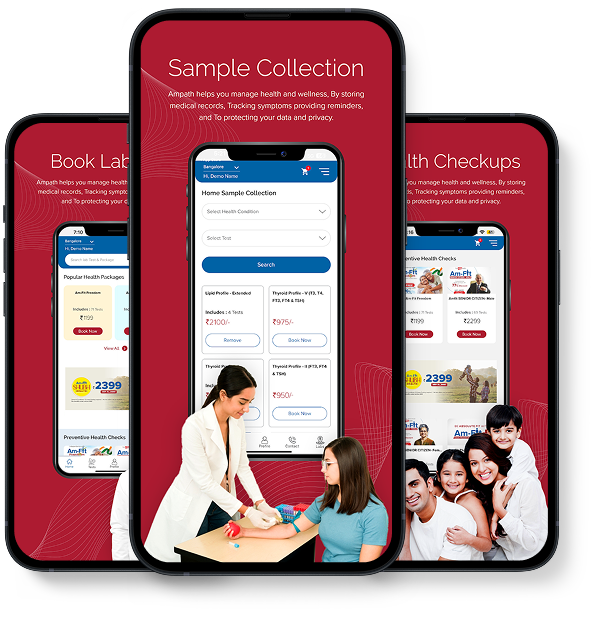
Book lab tests, access reports instantly, and get seamless home sample collection with advanced technology.
Trusted by millions, Ampath Labs ensures accurate diagnostics, convenience, and care at your fingertips.



 Select Location



 Get 15% OFF on 1st order above ₹100 Use code:



































































.jpg)