


Thalassemia Carrier Screening Before Marriage and Pregnancy
Thalassemia is one of the most common inherited blood disorders in India. Thousands of children are born with thalassemia major every year, a condition that typically requires lifelong blood transfusions and intensive medical care. Yet most of these births could be anticipated through a simple blood test done before marriage or early in pregnancy.
What Is Thalassemia?
Thalassemia is a group of genetic conditions in which the body produces less or abnormal haemoglobin, the protein in red blood cells that carries oxygen. There are two main types, based on which part of haemoglobin is affected:
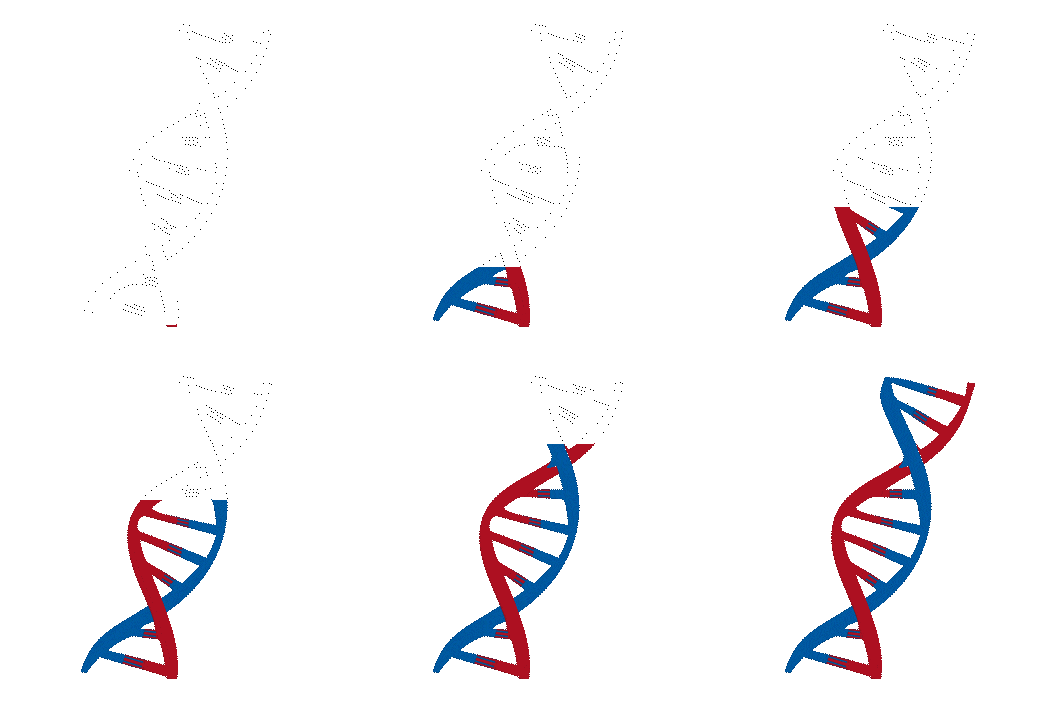
Each person inherits two copies of the haemoglobin genes, one from each parent.
Thalassemia Minor vs Thalassemia Major
Thalassemia Minor (Carrier or Trait)
A person who inherits one altered gene is a carrier. Carriers:
Thalassemia Major
A child who inherits altered genes from both parents can develop thalassemia major. Children with this condition:
How Thalassemia Is Inherited
When both partners are beta thalassemia carriers, the chances in each pregnancy are:
| Outcome for the Child | Chance in Each Pregnancy |
|---|---|
| Normal haemoglobin genes | 25% (1 in 4) |
| Thalassemia carrier, like the parents | 50% (2 in 4) |
| Thalassemia major | 25% (1 in 4) |
If only one partner is a carrier, the child cannot have thalassemia major, though there is a 50 percent chance the child will be a carrier.
Why Carrier Screening Is Important in India
Who Should Get Tested?
Tests Used for Thalassemia Carrier Screening
Step 1: Complete Blood Count (CBC) with Red Cell Indices
A CBC provides early clues. Carriers often show:
These findings can also appear in iron deficiency, so further testing is needed.
Step 2: HbA2 Estimation by HPLC or Haemoglobin Electrophoresis
High-performance liquid chromatography (HPLC) measures the different types of haemoglobin in the blood. In beta thalassemia trait, the level of HbA2 is usually raised, typically above 3.5 percent. HPLC can also detect other haemoglobin variants, such as HbE and HbS (sickle cell), which are relevant in parts of India.
Step 3: Iron Studies
Iron deficiency can lower HbA2 levels and mask beta thalassemia trait. Your doctor may order serum ferritin to check iron stores. If you are iron deficient, testing may be repeated after treatment.
Step 4: DNA (Molecular) Testing
DNA testing identifies the specific gene changes. It is useful:
What Happens If Both Partners Are Carriers?
Being a carrier couple does not mean you cannot have healthy children. It means you have important choices, and genetic counselling can help you understand them. Options may include:
Timing matters: If you are already pregnant, get tested as early as possible. Early results allow time for partner testing and prenatal diagnosis if needed.
Important Points About Carrier Status
Common Myths About Thalassemia Screening
Myth: "I am healthy, so I can't be a carrier."
Fact: Most carriers feel completely healthy.
Myth: "Only certain communities need testing."
Fact: While some communities have higher rates, thalassemia is found across India.
Myth: "If I am a carrier, I should not marry."
Fact: Carriers can marry and have healthy children. Testing helps couples plan with knowledge.
Myth: "A normal haemoglobin level means I'm not a carrier."
Fact: Many carriers have normal or near-normal haemoglobin. Red cell indices and HPLC are needed.
Key Takeaways
Frequently Asked Questions
Is the thalassemia test done on an empty stomach?
No fasting is usually required for a CBC or HbA2 test. Your doctor or lab will advise you if other tests requiring fasting are being done at the same time.
Can a thalassemia carrier become thalassemia major later?
No. Carrier status is genetic and does not change during your lifetime. A carrier will not develop thalassemia major.
If one partner is a carrier, does the other need testing?
Yes. If one partner is a carrier, it is important to test the other. The risk to the baby depends on whether both partners carry the gene.
Can thalassemia trait cause anaemia during pregnancy?
Carriers may have mild anaemia, which can become slightly more noticeable during pregnancy. Iron supplements should only be given if iron deficiency is confirmed by tests such as ferritin.
Is thalassemia screening part of routine antenatal testing?
In many hospitals and under national programmes in India, screening is recommended for pregnant women. Ask your doctor if it has been included in your antenatal tests.
How accurate is HPLC for thalassemia trait?
HPLC is a reliable screening tool for beta thalassemia trait and common haemoglobin variants. Borderline results, coexisting iron deficiency or suspected alpha thalassemia may need DNA testing.
Can thalassemia trait be confused with iron deficiency?
Yes. Both cause small red cells on a CBC, so they are often mistaken for each other. Many carriers are given repeated iron supplements without improvement. Ferritin and HbA2 testing help tell the two apart, and both conditions can sometimes occur together.
B12 Deficiency in Vegetarians and Metformin Users: When Serum B12 Isn't Enough Vitamin...
27-11-2026
Thalassemia Carrier Screening Before Marriage and Pregnancy Thalassemia...
27-11-2026
Perimenopause and Menopause: What FSH and Estradiol Tests Can and Cannot Tell You For...
27-11-2026
Book lab tests, access reports instantly, and get seamless home sample collection with advanced technology.
Trusted by millions, Ampath Labs ensures accurate diagnostics, convenience, and care at your fingertips.



 Select Location



 Get 15% OFF on 1st order above ₹100 Use code:



































































.jpg)