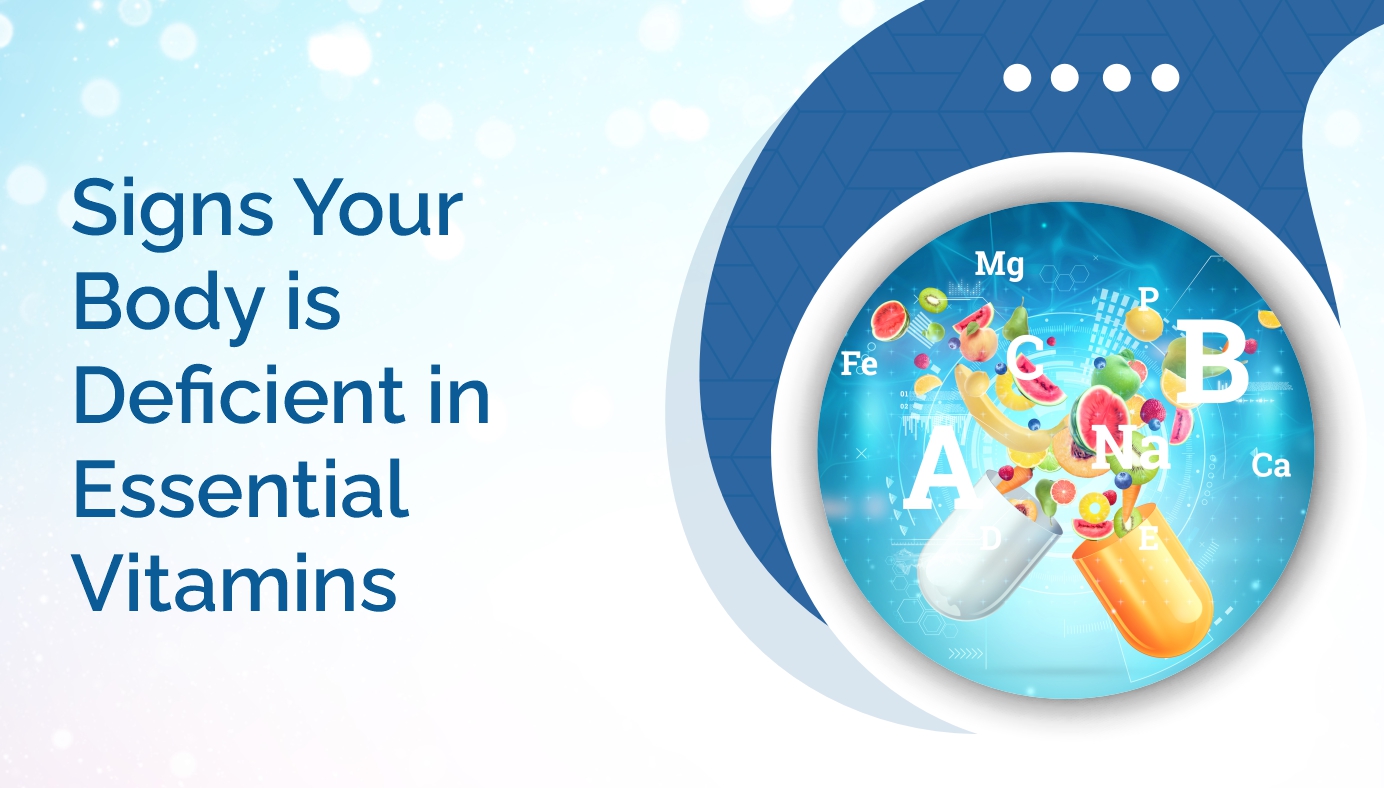


The human body is a complex biological machine that requires a specific balance of nutrients to function optimally. Vitamins and minerals act as the fuel for these processes, supporting everything from immune function to cellular repair. When this balance is disrupted due to a lack of essential nutrients, the body often signals distress through various physical and physiological symptoms.
What’s Vitamin Deficiency
A vitamin deficiency occurs when the body does not absorb or get the necessary amount of a specific vitamin. This can stem from a poor diet, underlying medical conditions that inhibit absorption, or increased nutrient needs during specific life stages, such as pregnancy.
Vitamins are categorized into two groups: water-soluble (like Vitamin C and the B-complex vitamins) and fat-soluble (Vitamins A, D, E, and K). Water-soluble vitamins must be replenished daily as the body does not store them, whereas fat-soluble vitamins are stored in the liver and fatty tissues. A deficiency in either category can disrupt metabolic processes and lead to noticeable health issues.
Common Signs of Nutritional Gaps
The symptoms of vitamin deficiency can vary widely depending on which nutrient is lacking. The following are eight common physical signs that may indicate the body is struggling with a deficiency.
1. Brittle Hair and Nails
Hair and nails that are prone to splitting, breaking, or thinning often signal a lack of Biotin (Vitamin B7). Biotin helps the body convert food into energy and plays a significant role in the health of hair, skin, and nails.
While genetics can influence hair texture, a sudden change in strength or quality warrants investigation. Other deficiencies, such as low iron levels, can also manifest as hair loss or spoon-shaped nails (koilonychia). Ensuring an adequate intake of eggs, nuts, and whole grains can support Biotin levels, though severe cases may require supplementation under medical supervision.
2. Bleeding Gums and Slow Wound Healing
Regular brushing and flossing are essential for oral hygiene, but gums that bleed easily may indicate a Vitamin C deficiency. Vitamin C acts as a powerful antioxidant and is vital for collagen production, the structural protein found in skin and connective tissues.
Without sufficient Vitamin C, the body cannot repair tissues effectively, leading to bleeding gums and wounds that take longer than usual to heal. Severe deficiency, known as scurvy, is rare in developed nations but can occur in individuals with extremely restricted diets. Consuming citrus fruits and leafy vegetables is the most effective way to maintain adequate levels.
3. Poor Night Vision and White Growths on Eyes
Vitamin A is critical for ocular health. A primary function of this vitamin is the production of rhodopsin, a pigment in the retina that helps the eyes adapt to low-light conditions. Difficulty seeing in dim light or at night can be an early warning sign of Vitamin A deficiency.
In more advanced cases, untreated deficiency can lead to xerophthalmia, a condition that damages the cornea and can cause blindness. Another specific symptom is Bitot's spots—foamy, white, or gray growths on the conjunctiva (the white part of the eye). Foods rich in beta-carotene, such as carrots, sweet potatoes, and dark leafy greens, are essential for preventing these issues.
4. Scaly Skin and Dandruff
Seborrheic dermatitis (dandruff) and patches of scaly, itchy skin can be linked to deficiencies in Zinc, Niacin (Vitamin B3), Riboflavin (Vitamin B2), and Pyridoxine (Vitamin B6). These nutrients are involved in maintaining skin barrier function and regulating oil production.
While skin conditions often have multiple causes, persistent issues that do not respond to topical treatments may require a nutritional assessment. Ensuring a diet rich in poultry, fish, dairy, and legumes can help address these specific B-vitamin gaps.
5. Muscle Weakness and Bone Pain
Vitamin D is unique because the body produces it upon exposure to sunlight. However, indoor lifestyles and sunscreen use often lead to widespread deficiency. Vitamin D is essential for calcium absorption; without it, bones can become brittle and weak.
Adults with Vitamin D deficiency may experience vague muscle aches, bone pain, and general fatigue. Long-term deficiency increases the risk of osteoporosis and fractures. Blood tests are the most reliable method for diagnosing Vitamin D levels, and treatment often involves increased sun exposure, fortified foods, or prescribed supplements.
6. Mouth Ulcers and Cracks in the Corners of the Mouth
Lesions in and around the mouth can be painful and indicate a lack of B vitamins or iron. Angular cheilitis, characterized by inflammation and cracking at the corners of the mouth, is frequently associated with insufficient intake of Riboflavin (B2) or Iron.
Similarly, recurrent canker sores (aphthous ulcers) may be linked to low levels of Iron, Folate, or Vitamin B12. Addressing these deficiencies typically involves increasing the consumption of lean meats, fortified cereals, and legumes.
7. Restless Leg Syndrome
Restless Leg Syndrome (RLS) is a nervous system disorder that causes an irresistible urge to move the legs, often accompanied by uncomfortable sensations. While the exact cause of RLS is not fully understood, there is a strong correlation between RLS symptoms and low iron stores in the body.
Ferritin is a blood protein that stores iron. When ferritin levels drop, nerve function can be affected, triggering RLS symptoms. Individuals experiencing these sensations should consult a healthcare provider to test iron levels before starting supplementation, as excess iron can be harmful.
8. Severe Fatigue and Brain Fog
While fatigue can result from stress or lack of sleep, persistent exhaustion and cognitive difficulties (brain fog) are hallmark signs of Vitamin B12 deficiency. Vitamin B12 is essential for red blood cell formation and neurological function.
Deficiency is particularly common in older adults and those following strict vegetarian or vegan diets, as B12 is primarily found in animal products. Symptoms may include weakness, memory loss, and dizziness. In these cases, fortified foods or B12 injections are often necessary to restore healthy levels.
Diagnosing and Treating Deficiencies
Self-diagnosis based on symptoms alone can be inaccurate, as many signs of vitamin deficiency overlap with other medical conditions. The most accurate way to determine a deficiency is through specific pathology tests, such as a Comprehensive Metabolic Panel or specific vitamin assays.
Diagnostic centers and pathology labs provide the technology required to measure nutrient levels in the blood precisely. These tests offer a clear baseline, allowing healthcare professionals to prescribe exact dosages of supplements or specific dietary changes.
Treating a deficiency generally involves a three-pronged approach:
Conclusion
Recognizing the physical signs of vitamin deficiency is the first step toward reclaiming optimal health. Symptoms such as brittle hair, fatigue, or vision changes are the body's method of communicating a need for nutritional support. However, these signs should be confirmed through professional diagnostic testing to ensure appropriate and safe treatment.
Food-related reactions are often lumped together under a single umbrella, but food...
17-09-2026
For decades, cholesterol testing has been the cornerstone of cardiovascular risk...
17-09-2026

Chronic fatigue syndrome (chronic fatigue syndrome), also known as myalgic encephalomyelitis...
17-09-2026
Book lab tests, access reports instantly, and get seamless home sample collection with advanced technology.
Trusted by millions, Ampath Labs ensures accurate diagnostics, convenience, and care at your fingertips.




 Select Location



 Get 15% OFF on 1st order above ₹100 Use code:



































































.jpg)