
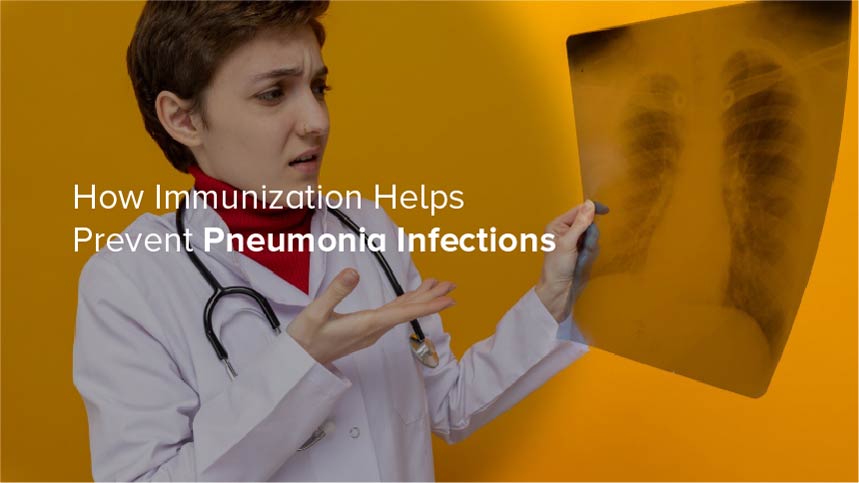


Pneumonia is one of the leading infectious causes of death worldwide, affecting aeach year. This lung infection causes the air sacs to fill with fluid or pus, leading to cough, fever, and difficulty breathing. While pneumonia can be caused by bacteria, viruses, or fungi, many cases can be prevented through proper immunization. Vaccines strengthen the body’s immune response and offer reliable protection against the most common pneumonia-causing pathogens.
What Is Pneumonia and Its Causes?
Pneumonia occurs when infectious agents invade the lungs and trigger inflammation. Its severity depends on the pathogen, the patient’s age, and overall health.
Primary Causative Organisms:
Key Vaccines for Pneumonia Prevention
Pneumococcal Vaccines
Haemophilus Influenzae Type b (Hib) Vaccine
The Hib vaccine has nearly eliminated invasive Hib disease in countries with strong vaccination programs.
Influenza Vaccines
Annual flu shots reduce the risk of both viral pneumonia and secondary bacterial pneumonia. Studies show a 30–50% reduction in pneumonia-related hospitalizations among vaccinated older adults.
How Vaccines Prevent Pneumonia Infections
Immune Response Mechanism
Vaccines train the immune system to recognize pathogens by producing specific antibodies and creating long-lasting memory cells. These immune components rapidly respond when the body encounters the real infection.
Community Protection
High vaccination coverage creates herd immunity, reducing disease spread and protecting vulnerable individuals who cannot receive vaccines.
Vaccination Recommendations by Age Group
Infants and Children
PCV13 and Hib vaccines are given at 2, 4, 6, and 12–15 months of age for early protection.
Adults 19–64 Years
Adults with chronic conditions such as diabetes, heart disease, or weakened immunity should receive pneumococcal vaccines.

Food-related reactions are often lumped together under a single umbrella, but food...
17-09-2026

For decades, cholesterol testing has been the cornerstone of cardiovascular risk...
17-09-2026
Chronic fatigue syndrome (chronic fatigue syndrome), also known as myalgic encephalomyelitis...
17-09-2026
Book lab tests, access reports instantly, and get seamless home sample collection with advanced technology.
Trusted by millions, Ampath Labs ensures accurate diagnostics, convenience, and care at your fingertips.




 Select Location



 Get 15% OFF on 1st order above ₹100 Use code:



































































.jpg)