
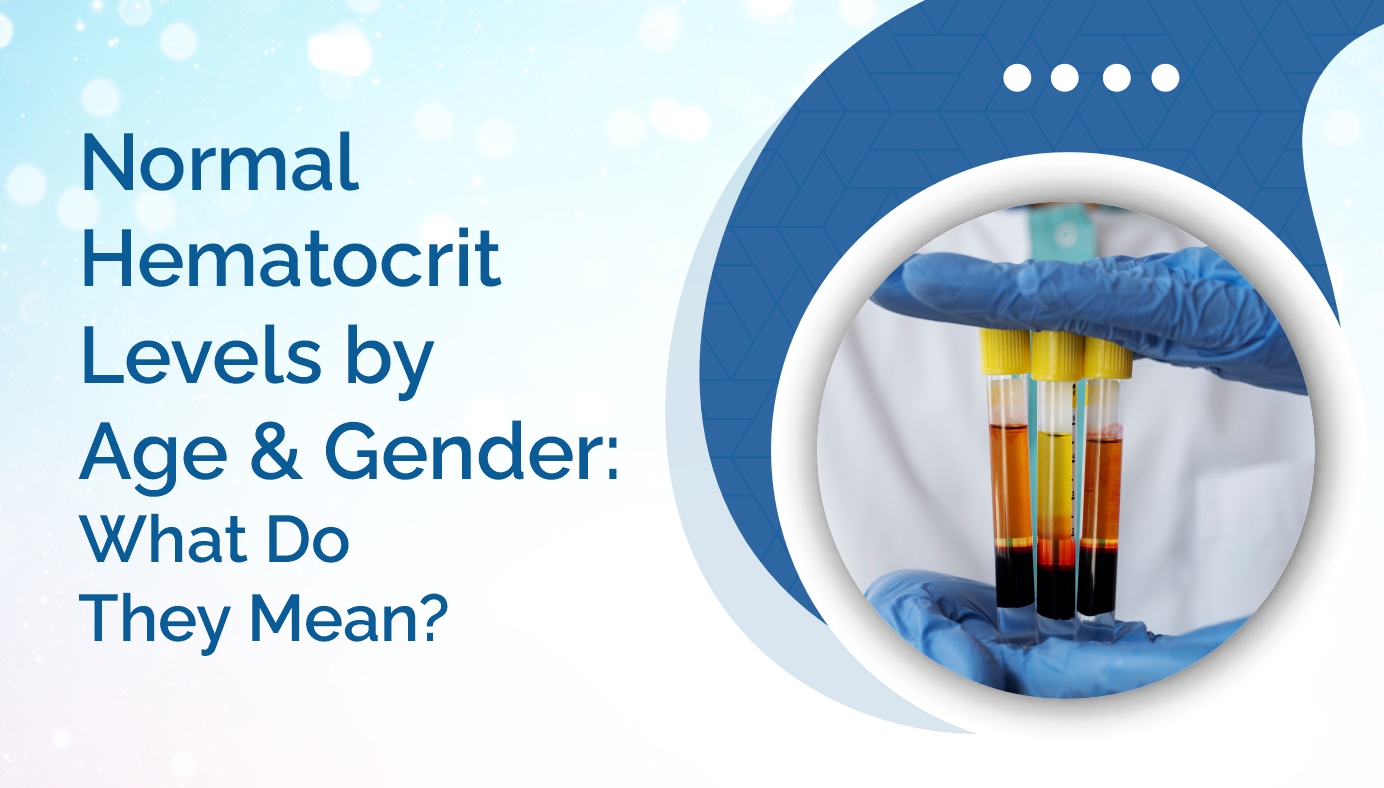


A routine blood test can reveal a significant amount of information about your overall health. One of the key measurements in a complete blood count (CBC) is the hematocrit level. Understanding this value helps assess the health of your red blood cells and your body’s ability to transport oxygen.
What Is a Hematocrit Test?
A hematocrit test measures the proportion of red blood cells in your blood. Blood contains red blood cells, white blood cells, platelets, and plasma. The hematocrit value, also called packed cell volume (PCV), is expressed as a percentage.
For example, a hematocrit level of 45% means that 45 milliliters of red blood cells are present in every 100 milliliters of blood. Because red blood cells carry oxygen from the lungs to the body, this measurement plays a vital role in diagnosing and monitoring many health conditions.
When Is a Hematocrit Test Needed?
A hematocrit test is routinely included in a complete blood count during regular health check-ups. Doctors may also order it to evaluate specific concerns.
Diagnosing or Monitoring Anemia: Helps identify low red blood cell levels.
Diagnosing or Monitoring Polycythemia: Detects excess red blood cell production.
Assessing Hydration Levels: Dehydration can temporarily raise hematocrit values.
Evaluating Blood Loss: Indicates the extent of bleeding after injury or surgery.
Monitoring Treatment Response: Tracks how well treatments affecting red blood cells are working.
Normal Hematocrit Levels by Age and Gender
Hematocrit levels vary based on age and gender. Results should always be compared with reference ranges appropriate for the individual.
Normal Levels in Adults
Hormonal differences, particularly testosterone levels, influence red blood cell production.
Adult Men: 42% to 54%
Adult Women: 38% to 46%
In pregnant women, hematocrit levels may be lower due to increased plasma volume, which is considered normal.
Normal Levels in Children
Hematocrit values change significantly during growth and development.
Newborns: 45% to 61%
Infants (2–6 months): 32% to 42%
Children (6 months–2 years): 30% to 40%
Children (2–6 years): 31% to 43%
Children (6–12 years): 34% to 45%
Adolescents (12–18 years):
Males: 36% to 49%
Females: 35% to 45%
What Do Abnormal Hematocrit Levels Mean?
Values outside the normal range may indicate an underlying medical condition. Interpretation depends on symptoms, medical history, and other laboratory findings.
Low Hematocrit Levels
Low hematocrit suggests anemia, meaning the body lacks sufficient red blood cells.
Nutritional Deficiencies: Low iron, vitamin B12, or folate levels.
Chronic Illness: Conditions such as kidney disease, cancer, or autoimmune disorders.
Blood Loss: From injury, surgery, or internal bleeding.
Bone Marrow Disorders: Conditions like aplastic anemia or leukemia.
Overhydration: Excess fluid intake dilutes blood components.
Symptoms may include fatigue, shortness of breath, dizziness, pale skin, and cold extremities.
High Hematocrit Levels
High hematocrit indicates an increased concentration of red blood cells, known as polycythemia.
Dehydration: Reduced plasma volume makes red blood cells appear elevated.
Polycythemia Vera: A rare bone marrow disorder causing excessive red blood cell production.
Lung or Heart Disease: Chronic low oxygen levels stimulate red blood cell production.
High Altitude Living: Lower oxygen levels naturally increase red blood cell count.
Certain Medications: Testosterone or anabolic steroids can raise hematocrit.
Symptoms may include headaches, dizziness, blurred vision, and abdominal fullness.
How to Prepare for a Hematocrit Test
No special preparation is usually required. You can eat and drink normally unless your doctor advises otherwise due to additional tests.
The test involves a quick blood draw, typically from a vein in the arm. Risks are minimal and may include slight discomfort or bruising.
Conclusion
Hematocrit levels provide important insight into red blood cell health and oxygen delivery. Monitoring these levels helps identify anemia, dehydration, and other medical conditions.
Always discuss your results with a healthcare professional to ensure accurate interpretation and appropriate care. Regular blood testing supports proactive health management and overall well-being.

Food-related reactions are often lumped together under a single umbrella, but food...
17-09-2026

For decades, cholesterol testing has been the cornerstone of cardiovascular risk...
17-09-2026

Chronic fatigue syndrome (chronic fatigue syndrome), also known as myalgic encephalomyelitis...
17-09-2026
Book lab tests, access reports instantly, and get seamless home sample collection with advanced technology.
Trusted by millions, Ampath Labs ensures accurate diagnostics, convenience, and care at your fingertips.




 Select Location



 Get 15% OFF on 1st order above ₹100 Use code:



































































.jpg)