
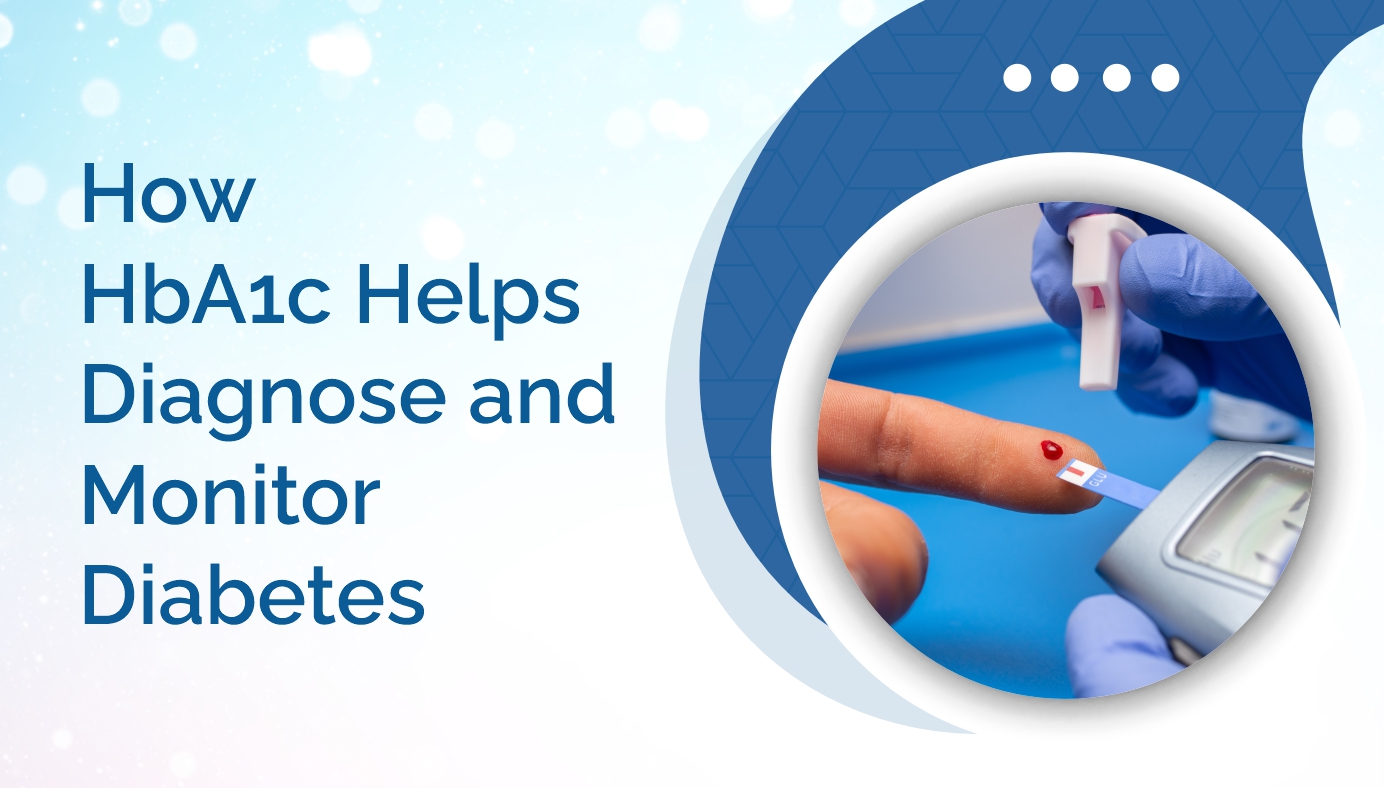


Managing diabetes effectively requires consistent monitoring of blood sugar levels. While daily glucose tests provide a snapshot of your blood sugar at a specific moment, the HbA1c test offers a broader, more comprehensive view. This vital diagnostic tool helps healthcare professionals diagnose and monitor diabetes by providing an average of your blood sugar levels over the past few months.
What is HbA1c?
HbA1c, or glycated hemoglobin, is a form of hemoglobin that is chemically linked to a sugar. Hemoglobin is the protein found in your red blood cells responsible for transporting oxygen throughout your body.
When glucose circulates in your blood, some of it naturally binds to hemoglobin. The amount of glucose that binds is directly proportional to the total amount of sugar in your system. Since red blood cells have a lifespan of approximately three months, the HbA1c test can provide an average of your blood glucose levels over this period.
Think of it as a long-term overview of your blood sugar control, rather than the daily fluctuations measured by a finger-prick test. This makes it an incredibly reliable indicator for diagnosing prediabetes and diabetes, and for assessing the effectiveness of a treatment plan.
How the HbA1c Test is Used in Diagnosis
The HbA1c test is a primary tool for diagnosing both type 1 and type 2 diabetes. Its ability to reflect long-term glucose exposure makes it more stable than a fasting blood glucose test, which can be affected by short-term factors like a recent meal or stress.
The diagnostic criteria for diabetes and prediabetes based on HbA1c levels are standardized as follows:
A result of 6.5% or higher on two separate occasions confirms a diagnosis of diabetes. An HbA1c level between 5.7% and 6.4% indicates prediabetes, a condition where blood sugar levels are elevated but not high enough to be classified as diabetes. Identifying prediabetes is crucial, as it provides an opportunity for lifestyle interventions—such as diet and exercise—to prevent the progression to full-blown type 2 diabetes.
Monitoring Diabetes with HbA1c
For individuals already diagnosed with diabetes, the HbA1c test is essential for monitoring the condition and guiding treatment. The goal of diabetes management is to keep blood glucose levels as close to the normal range as possible to prevent long-term complications.
Setting Treatment Goals
Healthcare providers work with patients to set individualized HbA1c targets. For most adults with diabetes, the target is typically below 7%. However, this goal can be adjusted based on several factors, including:
A lower target (such as below 6.5%) may be appropriate for some individuals, while a higher target (such as below 8%) might be safer for older adults or those with complex medical histories. Regular HbA1c testing allows doctors to see if the current treatment plan—which may include medication, diet, and exercise—is effective in meeting these targets.
Frequency of Testing
The recommended frequency for HbA1c testing depends on the type of diabetes, the level of blood sugar control, and changes in treatment. General guidelines suggest:
Frequent testing provides timely feedback, allowing for necessary adjustments to the treatment plan to improve blood sugar control and reduce the risk of complications.
Advantages of the HbA1c Test
The HbA1c test offers several advantages over other blood glucose tests, making it a preferred method for both diagnosis and monitoring.
These factors contribute to its widespread use and reliability in clinical practice.
Conclusion
The HbA1c test is more than just a number; it is a critical tool that empowers both patients and healthcare providers to effectively manage diabetes. By providing a long-term view of blood glucose levels, it helps in making accurate diagnoses, setting achievable treatment goals, and evaluating the success of management plans.
Regularly monitoring your HbA1c allows you to take proactive steps toward preventing the serious complications associated with uncontrolled diabetes, such as heart disease, kidney disease, and nerve damage. If you have been diagnosed with diabetes or have risk factors for the condition, it is important to discuss HbA1c testing with your doctor.

Food-related reactions are often lumped together under a single umbrella, but food...
17-09-2026

For decades, cholesterol testing has been the cornerstone of cardiovascular risk...
17-09-2026

Chronic fatigue syndrome (chronic fatigue syndrome), also known as myalgic encephalomyelitis...
17-09-2026
Book lab tests, access reports instantly, and get seamless home sample collection with advanced technology.
Trusted by millions, Ampath Labs ensures accurate diagnostics, convenience, and care at your fingertips.




 Select Location



 Get 15% OFF on 1st order above ₹100 Use code:



































































.jpg)