
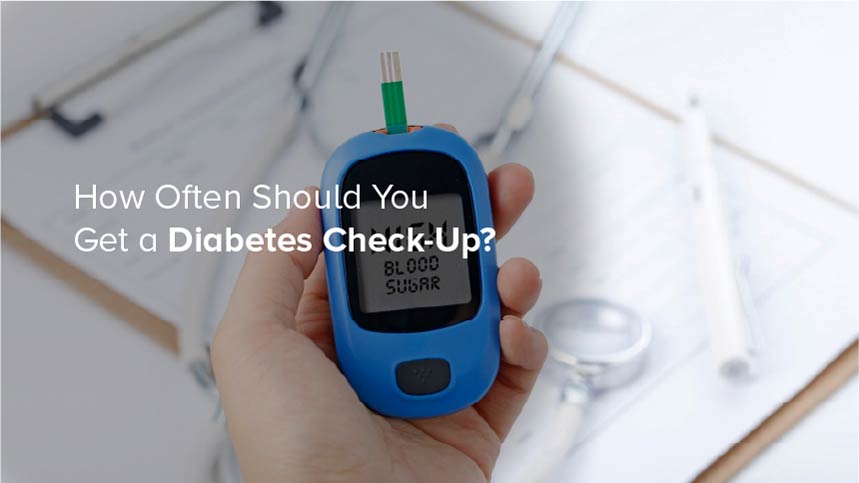


Diabetes is one of the most common chronic health conditions globally. Effective management requires regular monitoring, lifestyle adjustments, and consistent medical follow-ups. One common question people ask is — how often should you get a diabetes check-up?
What Is Diabetes and Why Monitoring Matters?
Diabetes occurs when the body doesn’t produce enough insulin or cannot use it effectively, resulting in elevated blood glucose levels. Without proper monitoring, diabetes can lead to major complications such as heart disease, nerve damage, kidney issues, and vision loss.
Regular check-ups help in:
Ampath Labs provides comprehensive diabetes monitoring with accurate and timely diagnostic testing to help patients stay ahead of their condition.
Recommended Diabetes Check-Up Frequency
1. Type 1 Diabetes
2. Type 2 Diabetes
3. Gestational Diabetes
Key Tests in a Diabetes Check-Up
1. HbA1c Test
Shows average glucose levels over 2–3 months.
2. Fasting & Postprandial Glucose
Measures daily glucose control.
3. Lipid Profile
4. Kidney Function Tests (KFT)
5. Urine Microalbumin
6. Liver Function Test
7. Annual Eye Examination
8. Foot Examination
Signs You Should Visit Your Doctor Sooner
Prompt testing at Ampath Labs ensures quick detection and effective management.
The Role of Labs in Diabetes Management
Diagnostic labs are central to effective diabetes care. Regular testing helps track progress, evaluate treatment, and prevent complications.
Managing Diabetes Between Check-Ups
When to Schedule Your Next Check-Up
If it's been more than 3 months since your last test, schedule your next diabetes check-up. Ampath Labs offers HbA1c, full diabetes panels, fasting and post-meal glucose tests, and more — with home collection available.
Conclusion
Diabetes management is about more than medication — it requires consistent monitoring, preventive care, and regular testing. With trusted diagnostic support from Ampath Labs, your diabetes care is accurate, personalized, and proactive. Timely check-ups today can prevent major health issues tomorrow.

Food-related reactions are often lumped together under a single umbrella, but food...
17-09-2026

For decades, cholesterol testing has been the cornerstone of cardiovascular risk...
17-09-2026
Chronic fatigue syndrome (chronic fatigue syndrome), also known as myalgic encephalomyelitis...
17-09-2026
Book lab tests, access reports instantly, and get seamless home sample collection with advanced technology.
Trusted by millions, Ampath Labs ensures accurate diagnostics, convenience, and care at your fingertips.




 Select Location



 Get 15% OFF on 1st order above ₹100 Use code:



































































.jpg)