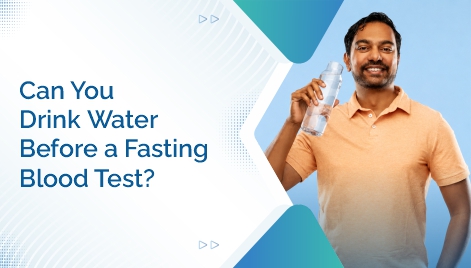


A fasting blood test is one of the most commonly prescribed diagnostic tests used to assess overall health, detect medical conditions, and monitor ongoing treatments. If your doctor has instructed you to fast before a blood test, you may wonder what exactly is allowed during the fasting period. One of the most frequently asked questions is: Can you drink water before a fasting blood test?
The simple answer is yes, in most cases, drinking plain water before a fasting blood test is not only allowed but often encouraged. However, there are specific guidelines you should follow to ensure accurate test results.
What Is a Fasting Blood Test?
A fasting blood test requires you to avoid consuming food and most beverages for a specified period before your blood sample is collected. The fasting period usually ranges from 8 to 12 hours, depending on the type of test being performed.
The purpose of fasting is to prevent foods and drinks from temporarily affecting the levels of substances in your bloodstream. Certain nutrients, sugars, fats, and minerals can alter blood test results, making it difficult for healthcare providers to accurately assess your health.
Fasting blood tests are commonly used to evaluate:
Following fasting instructions correctly helps ensure reliable and accurate laboratory results.
Can You Drink Water Before a Fasting Blood Test?
Yes. In most situations, drinking plain water before a fasting blood test is completely safe and recommended.
Unlike food or calorie-containing beverages, water does not significantly affect blood sugar, cholesterol, triglycerides, or most other blood test parameters. Staying hydrated can actually make the blood collection process easier.
Healthcare providers generally encourage patients to drink water during the fasting period because it:
However, the key word is plain water. Any additives, flavorings, sweeteners, or other beverages may interfere with test results.
Why Is Fasting Necessary Before Certain Blood Tests?
When you eat or drink anything containing calories, your body begins digesting and absorbing nutrients into the bloodstream.
For example:
Blood Sugar Levels
After eating, glucose levels naturally rise. If a blood glucose test is performed shortly after a meal, the results may not accurately reflect your fasting blood sugar level.
Cholesterol and Triglycerides
Fat-containing foods can temporarily elevate triglyceride levels and influence lipid measurements.
Hormonal Changes
Food intake triggers hormonal responses that may affect certain laboratory markers.
Metabolic Activity
Digestion activates multiple metabolic pathways, potentially altering test values and making interpretation more difficult.
Fasting creates a standardized baseline condition that allows healthcare professionals to compare results accurately and identify abnormalities.
Which Blood Tests Require Fasting?
Not all blood tests require fasting. However, some common tests often performed after fasting include:
Lipid Profile
A lipid profile measures:
Fasting helps ensure accurate triglyceride measurements.
Fasting Blood Glucose Test
This test evaluates blood sugar levels after fasting and is commonly used to diagnose or monitor diabetes.
HbA1c Test
Unlike fasting glucose tests, HbA1c generally does not require fasting because it reflects average blood sugar levels over several months.
Comprehensive Metabolic Panel (CMP)
Some healthcare providers recommend fasting before a CMP to improve the accuracy of glucose measurements.
Basic Metabolic Panel (BMP)
Fasting may be advised depending on the specific tests included.
Always follow the instructions provided by your doctor or laboratory, as requirements can vary.
How Much Water Can You Drink Before a Fasting Blood Test?
For most fasting blood tests, moderate amounts of water are perfectly acceptable.
You can generally:
There is usually no strict limit on water intake unless your healthcare provider has given special instructions.
However, avoid excessive water consumption immediately before the test, as overhydration may occasionally affect certain laboratory measurements.
The goal is simply to stay comfortably hydrated.
Benefits of Drinking Water Before Blood Collection
Many people mistakenly avoid water during fasting, believing that all liquids are prohibited. In reality, drinking water can offer several advantages.
Easier Blood Draw
Hydration helps expand blood vessels and improve circulation, making veins easier to identify.
Reduced Risk of Multiple Needle Attempts
Well-hydrated veins are often easier for phlebotomists to access, reducing the chances of repeated needle insertions.
Prevention of Dizziness
Fasting may sometimes lead to weakness or lightheadedness. Drinking water can help reduce these symptoms.
Better Blood Flow
Hydration supports healthy blood volume and circulation, making sample collection smoother.
Improved Patient Comfort
Many people feel more comfortable during fasting when they are allowed to drink water.
What Drinks Should Be Avoided During Fasting?
Although water is generally permitted, most other beverages should be avoided.
Coffee
Even black coffee can influence certain test results by affecting blood sugar regulation, hormones, and metabolism.
Tea
Tea contains compounds that may alter laboratory values and should typically be avoided.
Fruit Juice
Juices contain natural sugars that can significantly impact glucose levels.
Soft Drinks
Sodas contain sugar, artificial sweeteners, caffeine, and other ingredients that may interfere with testing.
Milk
Milk contains carbohydrates, proteins, and fats that break the fasting state.
Energy Drinks
Energy drinks often contain sugar, caffeine, vitamins, and stimulants that can affect test outcomes.
Alcohol
Alcohol can influence liver function, blood sugar, triglycerides, and other important laboratory measurements.
Unless specifically instructed otherwise, plain water should be the only beverage consumed during fasting.
Can You Take Medications With Water Before a Fasting Blood Test?
In many cases, medications can be taken with water during the fasting period. However, this depends on the medication and the purpose of the blood test.
Certain medications may affect laboratory results, including:
Always ask your healthcare provider whether you should:
Never stop prescribed medications without medical advice.
What Happens If You Accidentally Eat Before a Fasting Blood Test?
If you accidentally eat during the fasting period, inform the laboratory staff and your healthcare provider.
Depending on the test:
Providing accurate information helps prevent misinterpretation of results.
How Long Should You Fast Before a Blood Test?
The required fasting period varies depending on the test.
Common fasting durations include:
| Test Type | Typical Fasting Time |
|---|---|
| Fasting Glucose | 8–12 hours |
| Lipid Profile | 9–12 hours |
| Triglycerides | 12 hours |
| Metabolic Panel | 8–12 hours |
| Iron Studies | 8–12 hours |
Your healthcare provider or laboratory will provide specific instructions based on the tests ordered.
Tips for Preparing for a Fasting Blood Test
Proper preparation helps ensure accurate results and a smooth experience.
Schedule Morning Appointments
Morning tests are often easier because much of the fasting period occurs while you sleep.
Stay Hydrated
Drink water regularly throughout the fasting period unless instructed otherwise.
Avoid Strenuous Exercise
Heavy exercise before testing can temporarily affect glucose and other laboratory markers.
Get Adequate Sleep
Poor sleep may influence blood sugar levels and certain hormone measurements.
Follow Medication Instructions
Take medications only as directed by your healthcare provider.
Bring a Snack
After the blood sample is collected, having a healthy snack available can help restore energy levels.
Common Myths About Drinking Water Before a Fasting Blood Test
Myth 1: Water Breaks a Fast
Fact: Plain water does not typically break a medical fast required for blood testing.
Myth 2: You Should Avoid All Liquids
Fact: Most healthcare providers encourage water consumption during fasting.
Myth 3: Coffee Is the Same as Water
Fact: Coffee can affect metabolism and may influence certain test results.
Myth 4: More Water Always Means Better Results
Fact: Normal hydration is beneficial, but excessive water intake is unnecessary.
Myth 5: Every Blood Test Requires Fasting
Fact: Many routine blood tests do not require fasting at all.
Special Considerations for People With Diabetes
Fasting can be more challenging for individuals with diabetes.
People with diabetes should:
Because fasting can sometimes lead to low blood sugar, individualized medical guidance is important.
When Water Might Not Be Allowed
Although uncommon, there are situations where healthcare providers may request stricter fasting.
Examples include:
Always prioritize the instructions given by your doctor or laboratory over general recommendations.
Conclusion
If you're wondering whether you can drink water before a fasting blood test, the answer is usually yes. Plain water is generally permitted and often recommended because it helps prevent dehydration, improves blood flow, and makes blood collection easier. Staying hydrated can also reduce discomfort and improve the overall testing experience.
However, it is important to avoid beverages such as coffee, tea, juice, soda, milk, and alcohol, as these may interfere with test results. Always follow the fasting instructions provided by your healthcare provider or laboratory, and if you are unsure about what is allowed, ask before your appointment.

Working professionals often juggle demanding careers, family responsibilities, long commutes,...
04-06-2026

Blood tests are among the most common and effective tools used to assess overall health,...
04-06-2026

A strong immune system is essential for protecting the body against infections, viruses,...
04-06-2026
Book lab tests, access reports instantly, and get seamless home sample collection with advanced technology.
Trusted by millions, Ampath Labs ensures accurate diagnostics, convenience, and care at your fingertips.



 Select Location


 Get 15% OFF on 1st order above ₹100 Use code:




.jpg)