
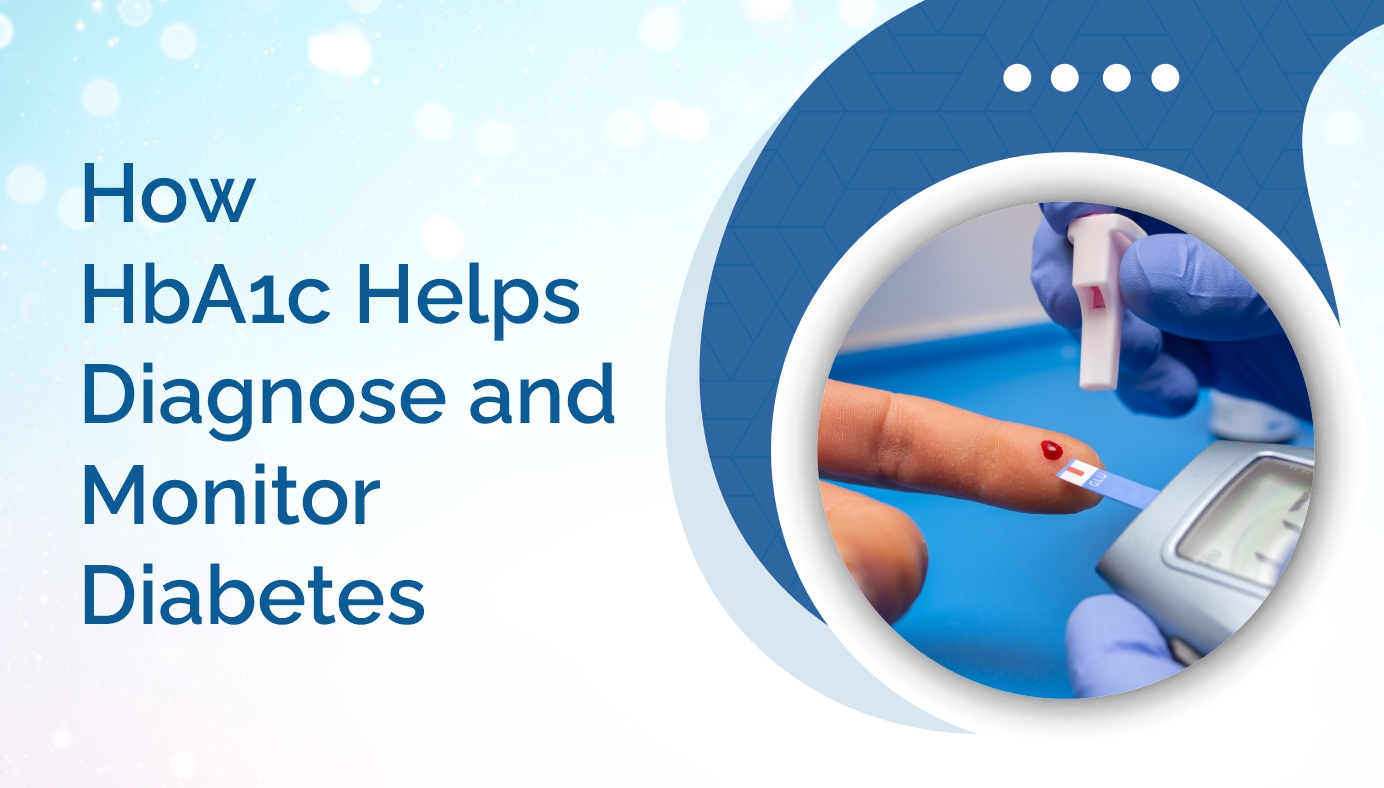


Effective diabetes management depends on understanding long-term blood sugar control, not just daily fluctuations. While finger-prick glucose tests show blood sugar levels at a specific moment, the HbA1c test offers a broader and more reliable picture. This test helps doctors diagnose diabetes and monitor how well blood sugar has been controlled over the past few months.
HbA1c, also known as glycated hemoglobin, is formed when glucose in the bloodstream binds to hemoglobin, the oxygen-carrying protein found in red blood cells. The higher the blood sugar levels, the more glucose attaches to hemoglobin.
Because red blood cells typically live for about three months, the HbA1c test reflects the average blood glucose level over this period. This makes it a powerful tool for evaluating long-term glucose exposure rather than short-term changes caused by meals, stress, or physical activity.
Role of HbA1c in Diagnosing Diabetes
The HbA1c test is widely used to diagnose both type 1 and type 2 diabetes. Unlike fasting blood sugar tests, it does not require fasting and is less influenced by temporary lifestyle factors.
HbA1c values below 5.7% are considered normal. Levels between 5.7% and 6.4% indicate prediabetes, a stage where blood sugar is higher than normal but not yet in the diabetic range. An HbA1c value of 6.5% or higher on two separate tests confirms a diagnosis of diabetes.
Detecting prediabetes early is especially important because lifestyle changes such as improved diet, regular physical activity, and weight management can significantly reduce the risk of progressing to type 2 diabetes.
How HbA1c Helps Monitor Diabetes
For individuals already diagnosed with diabetes, the HbA1c test plays a central role in ongoing disease management. It allows healthcare providers to evaluate whether current treatment strategies are effectively controlling blood sugar levels.
Most adults with diabetes are advised to maintain an HbA1c level below 7%. However, treatment targets are personalized based on factors such as age, duration of diabetes, overall health, and the risk of low blood sugar episodes.
Lower targets may be appropriate for younger individuals with fewer health complications, while slightly higher targets may be safer for older adults or those with multiple medical conditions. Regular HbA1c testing helps doctors determine whether medication, lifestyle changes, or insulin therapy need adjustment.
Recommended Testing Frequency
The frequency of HbA1c testing depends on how well blood sugar is controlled and whether treatment has recently changed. People with stable blood sugar levels may need testing at least twice a year.
Those with type 1 diabetes or individuals whose treatment plan has changed are often advised to undergo testing every three months. Regular testing ensures timely intervention and reduces the risk of long-term complications.
Benefits of HbA1c Testing
The HbA1c test offers several advantages over other glucose tests. It does not require fasting, making it more convenient. It reflects long-term blood sugar trends rather than daily variations and is standardized across laboratories, ensuring consistent and reliable results.
These features make HbA1c an essential tool for both diagnosing diabetes and monitoring treatment effectiveness over time.
Conclusion
The HbA1c test provides valuable insight into how well blood sugar has been controlled over the past few months. It helps doctors diagnose diabetes accurately, identify prediabetes early, and monitor treatment success.
Regular HbA1c testing empowers individuals to take proactive steps in managing diabetes and reducing the risk of serious complications such as heart disease, kidney damage, and nerve problems. If you have diabetes or are at risk, discussing HbA1c testing with your healthcare provider is an important step toward long-term health.

Food-related reactions are often lumped together under a single umbrella, but food...
17-09-2026

For decades, cholesterol testing has been the cornerstone of cardiovascular risk...
17-09-2026

Chronic fatigue syndrome (chronic fatigue syndrome), also known as myalgic encephalomyelitis...
17-09-2026
Book lab tests, access reports instantly, and get seamless home sample collection with advanced technology.
Trusted by millions, Ampath Labs ensures accurate diagnostics, convenience, and care at your fingertips.




 Select Location



 Get 15% OFF on 1st order above ₹100 Use code:



































































.jpg)