
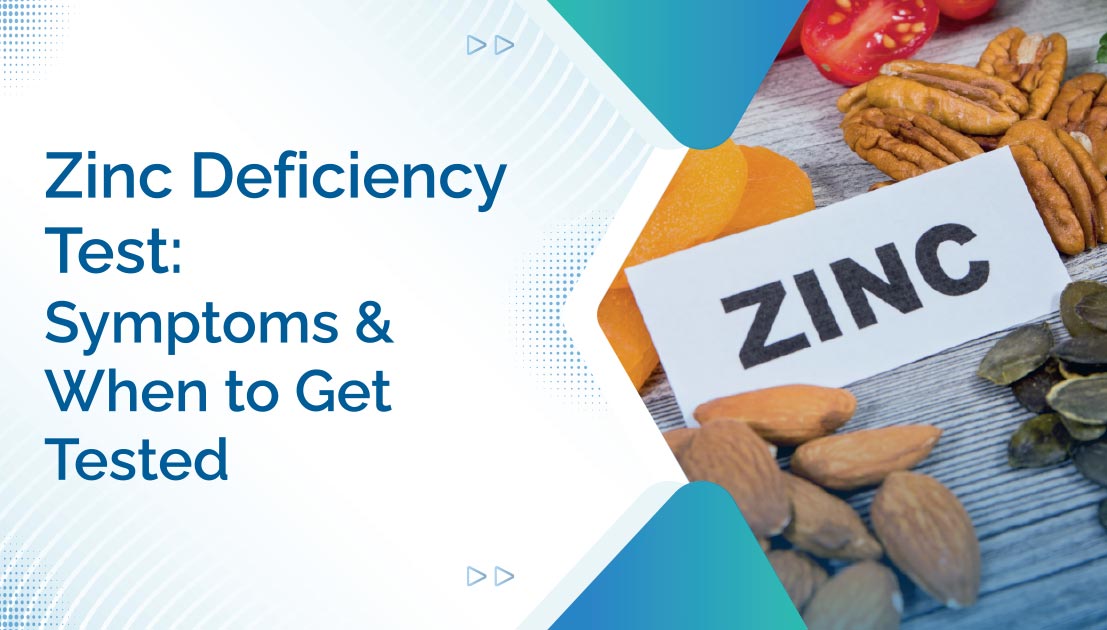


Zinc is a trace mineral, meaning the body needs only small amounts, yet it plays an outsized role in immune defense, wound healing, taste and smell perception, and cell growth. Because daily requirements are modest, zinc deficiency is sometimes assumed to be rare in well-fed populations. In reality, it is more common than many people expect, particularly among those with restrictive diets, digestive disorders, or increased physical demands.
A zinc blood test offers a straightforward way to check whether low levels might be behind symptoms such as frequent colds, slow-healing wounds, or a diminished sense of taste.
Why Zinc Matters
Zinc supports more than two hundred enzymatic reactions and is essential for a properly functioning immune system. It helps the body fight off bacteria and viruses, supports the production of proteins and DNA, and plays a role in how wounds heal after injury or surgery.
Zinc is also important for children's growth and development, and for maintaining a healthy sense of taste and smell in people of all ages. Because the body has no dedicated storage system for zinc, regular dietary intake is necessary to keep levels stable.
Symptoms That May Signal Low Zinc
In children, chronic zinc deficiency can contribute to slowed growth and delayed development, which is one reason pediatricians pay close attention to nutritional status in young patients with recurrent illness or poor weight gain.
Who Should Get Tested
People with gastrointestinal conditions that limit nutrient absorption, such as inflammatory bowel disease or celiac disease, are at increased risk of low zinc. Vegetarians and vegans may also need to pay closer attention, since plant-based zinc sources are less readily absorbed than zinc from animal products.
Pregnant and breastfeeding women have higher zinc requirements, and older adults sometimes eat less overall, which can reduce intake below optimal levels. People recovering from surgery, significant burns, or chronic illness may also benefit from screening, since these conditions increase the body's demand for zinc during healing.
How the Zinc Blood Test Works
The test requires a blood sample drawn from a vein, and your doctor will typically recommend fasting and drawing the sample in the morning, since zinc levels can fluctuate throughout the day and after eating. Certain supplements and medications may also need to be paused briefly beforehand, so it is worth confirming instructions with your healthcare provider.
Results usually come back within a couple of days. Because zinc levels can be affected by inflammation, infection, or recent illness, your doctor may interpret a single low reading cautiously and consider repeating the test or checking other markers.
Understanding Your Results
A result below the normal reference range suggests inadequate intake, poor absorption, or increased loss, such as through chronic diarrhea. Elevated zinc is less commonly seen outside of supplement overuse, but excessive zinc intake can interfere with copper absorption and cause its own set of problems, including anemia.
As with many micronutrient tests, the number itself is only part of the picture. Your doctor will weigh it against your symptoms, diet, and any digestive or chronic health conditions before recommending treatment.
Food Sources and Supplementation
Zinc is found in oysters, red meat, poultry, beans, nuts, and dairy products. Fortified cereals also provide a meaningful amount for people who eat them regularly. For those with a confirmed deficiency, oral zinc supplements are commonly prescribed for a defined period, with follow-up testing to confirm levels have normalized.
It is worth noting that zinc supplements should generally be taken under medical guidance, since long-term high-dose use can create a copper deficiency and other imbalances. Getting the dose and duration right matters as much as taking a supplement at all.
Conclusion
Zinc's influence over immunity, wound healing, and taste makes a deficiency more noticeable in daily life than some other nutrient shortages, yet it is still frequently overlooked. If you notice frequent infections, slow-healing cuts, or an unexplained change in appetite or taste, a zinc blood test is a reasonable and simple step to take with your doctor. Identifying a shortage early allows for straightforward correction through diet or short-term supplementation.

Food-related reactions are often lumped together under a single umbrella, but food...
17-09-2026

For decades, cholesterol testing has been the cornerstone of cardiovascular risk...
17-09-2026

Chronic fatigue syndrome (chronic fatigue syndrome), also known as myalgic encephalomyelitis...
17-09-2026
Book lab tests, access reports instantly, and get seamless home sample collection with advanced technology.
Trusted by millions, Ampath Labs ensures accurate diagnostics, convenience, and care at your fingertips.



 Select Location



 Get 15% OFF on 1st order above ₹100 Use code:



































































.jpg)