
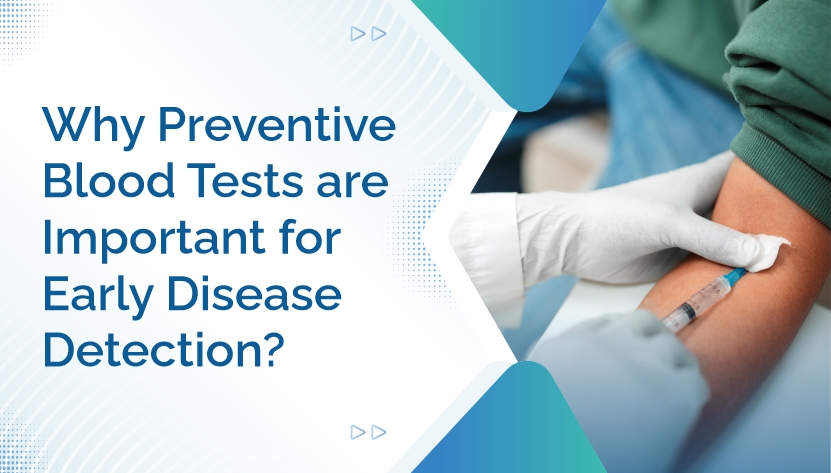


Most people visit a doctor only when they start experiencing symptoms. However, many serious health conditions develop silently for years before showing any visible signs. This is where preventive blood tests play a crucial role. They help detect potential health issues early, allowing timely treatment and better health outcomes.
Preventive healthcare focuses on identifying health risks before they turn into serious diseases. Regular blood tests are one of the simplest and most effective ways to monitor your health and detect problems at an early stage.
What Are Preventive Blood Tests?
Preventive blood tests are routine laboratory tests performed to assess your overall health and identify early signs of diseases. These tests evaluate important parameters in your blood such as glucose levels, cholesterol levels, liver function, kidney function, vitamin levels, and more.
Unlike diagnostic tests that are done after symptoms appear, preventive blood tests are conducted even when you feel completely healthy. The goal is to catch abnormalities early so that medical intervention can begin before the condition worsens.
Doctors often recommend preventive blood tests as part of annual health checkups to help individuals stay aware of their health status.
Why Early Disease Detection Matters
Early detection is one of the most important factors in successful treatment. Many conditions like diabetes, heart disease, thyroid disorders, liver disease, and even some cancers can develop gradually without noticeable symptoms.
When these diseases are detected early through blood tests, treatment can begin sooner, often preventing complications and reducing healthcare costs.
For example, early detection of high cholesterol levels can help prevent heart disease. Similarly, identifying elevated blood sugar levels early can help manage or even prevent diabetes through lifestyle changes and medication.
Regular preventive testing empowers individuals to take control of their health and make informed decisions about their lifestyle.
Key Benefits of Preventive Blood Tests
1. Early Detection of Hidden Diseases
One of the biggest advantages of preventive blood testing is the ability to detect diseases before symptoms appear. Conditions like diabetes, anemia, vitamin deficiencies, thyroid disorders, and liver issues often develop silently.
A simple blood test can reveal abnormal levels and alert doctors to potential health problems long before they become serious.
2. Better Treatment Outcomes
When diseases are diagnosed early, treatment becomes more effective. Early intervention can slow disease progression, reduce complications, and improve overall quality of life.
For instance, managing high blood pressure or cholesterol early can significantly reduce the risk of heart attacks and strokes.
3. Monitoring Overall Health
Preventive blood tests provide a snapshot of your overall health. Doctors can evaluate how well your organs are functioning and identify any changes over time.
Routine monitoring helps track improvements or detect new issues that may require medical attention.
4. Identifying Nutritional Deficiencies
Many people suffer from vitamin and mineral deficiencies without realizing it. Low levels of Vitamin D, Vitamin B12, or iron can cause fatigue, weakness, and other health problems.
Blood tests can identify these deficiencies and allow doctors to recommend supplements or dietary changes.
5. Personalized Health Insights
Preventive blood tests help doctors understand an individual’s unique health profile. Based on the results, they can provide personalized advice on diet, exercise, medications, and lifestyle changes.
This tailored approach helps individuals maintain long-term health and wellness.
Common Preventive Blood Tests
Several blood tests are commonly included in preventive health checkups. These tests help assess different aspects of health and detect potential risks.
Complete Blood Count (CBC)
A Complete Blood Count measures different components of blood such as red blood cells, white blood cells, and platelets. It helps detect conditions like anemia, infections, and blood disorders.
Blood Glucose Test
Blood glucose tests measure the level of sugar in your blood. These tests help detect diabetes or prediabetes and monitor blood sugar control.
Lipid Profile
A lipid profile measures cholesterol levels including LDL (bad cholesterol), HDL (good cholesterol), and triglycerides. This test helps evaluate the risk of heart disease.
Liver Function Tests (LFT)
Liver function tests assess how well the liver is working by measuring enzymes and proteins in the blood. These tests help detect liver damage, infections, or other liver-related conditions.
Kidney Function Tests (KFT)
Kidney function tests evaluate how efficiently the kidneys filter waste from the blood. Abnormal results may indicate kidney disease or impaired kidney function.
Thyroid Function Tests
These tests measure thyroid hormones and help diagnose thyroid disorders such as hypothyroidism or hyperthyroidism, which can affect metabolism, weight, and energy levels.
Vitamin and Mineral Tests
Tests for Vitamin D, Vitamin B12, iron, and other nutrients help detect deficiencies that may impact overall health.
Who Should Get Preventive Blood Tests?
Preventive blood tests are beneficial for people of all ages. However, certain individuals may need more frequent testing based on their health risks.
You should consider regular preventive blood tests if you:
Even healthy individuals should undergo routine blood tests at least once a year to ensure everything is functioning properly.
How Often Should You Get Tested?
The frequency of preventive blood tests may vary depending on age, health condition, and family medical history.
In general:
Consulting a healthcare professional can help determine the most appropriate testing schedule based on your personal health needs.
Preparing for a Preventive Blood Test
To ensure accurate results, certain preparations may be required before undergoing blood tests.
Some common guidelines include:
Preventive Testing and Lifestyle Changes
Blood test results often serve as a wake-up call for many individuals. Abnormal readings may encourage people to adopt healthier habits such as:
How Preventive Blood Tests Improve Long-Term Health
Regular health monitoring through blood tests provides valuable data about how your body is functioning over time. This allows doctors to track trends and detect subtle changes before they become serious problems.
For example, slightly rising blood sugar levels over several years may indicate an increased risk of diabetes. Early intervention through diet and exercise may prevent the disease entirely.
Similarly, gradual increases in cholesterol levels can be addressed early to prevent cardiovascular complications.
Preventive blood testing is therefore not just about detecting diseases—it is about maintaining long-term health and preventing future health problems.
Conclusion
Preventive blood tests are a powerful tool for maintaining good health and detecting diseases at an early stage. Many serious health conditions develop silently without obvious symptoms, making routine testing essential for timely diagnosis and treatment.
By identifying potential health risks early, preventive blood tests help individuals take proactive steps toward better health. They provide valuable insights into overall well-being, support personalized medical care, and promote long-term disease prevention.

Food-related reactions are often lumped together under a single umbrella, but food...
17-09-2026

For decades, cholesterol testing has been the cornerstone of cardiovascular risk...
17-09-2026

Chronic fatigue syndrome (chronic fatigue syndrome), also known as myalgic encephalomyelitis...
17-09-2026
Book lab tests, access reports instantly, and get seamless home sample collection with advanced technology.
Trusted by millions, Ampath Labs ensures accurate diagnostics, convenience, and care at your fingertips.




 Select Location



 Get 15% OFF on 1st order above ₹100 Use code:



































































.jpg)