
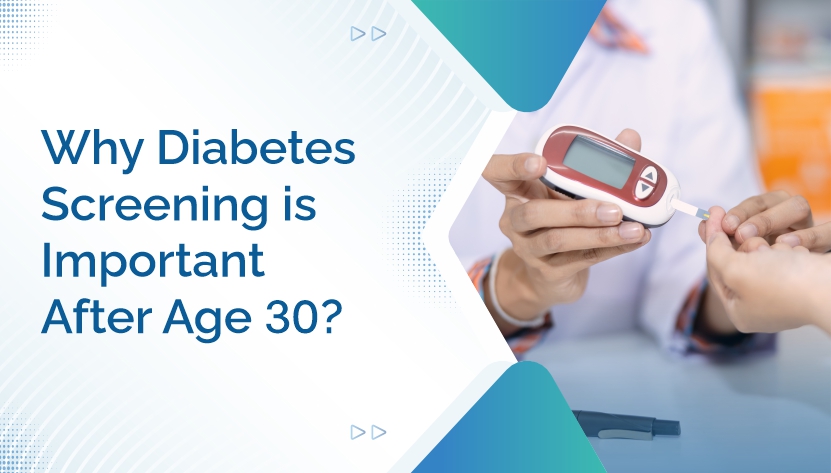


Most people associate diabetes with older adults. But the truth is, the risk of developing Type 2 diabetes begins to rise meaningfully once you cross your 30s—often before any noticeable symptoms appear. By the time a diagnosis is made through symptoms alone, the condition may have already caused silent damage to vital organs.
This is precisely why proactive diabetes screening is so critical. A simple blood test can detect abnormal glucose levels years before they progress to full-blown diabetes, giving you a significant window to intervene through lifestyle changes, medication, or closer monitoring. The earlier the detection, the better the outcome.
The Silent Progression of Type 2 Diabetes
Type 2 diabetes does not appear overnight. It typically develops over several years through a phase called prediabetes—a condition in which blood sugar levels are elevated but not yet high enough to meet the diagnostic threshold for diabetes.
According to the Centers for Disease Control and Prevention (CDC), more than 96 million American adults have prediabetes, and approximately 80% of them are unaware of it. During this phase, there are rarely any obvious warning signs. Fatigue, increased thirst, or frequent urination may occur, but these symptoms are easy to dismiss or attribute to other causes.
Without intervention, prediabetes can progress to Type 2 diabetes within five years. And once diabetes develops, the risks compound: cardiovascular disease, kidney damage, nerve damage, and vision loss all become more likely over time. Early detection through routine screening disrupts this progression before it takes hold.
Why Age 30 Is a Critical Threshold
A person's metabolic function does not remain static through adulthood. Starting in the 30s, several physiological changes increase diabetes risk:
These changes do not guarantee diabetes, but they do create the biological conditions in which it is more likely to develop—especially when combined with additional risk factors.
Who Should Be Screened and When
The American Diabetes Association (ADA) recommends that adults begin diabetes screening at age 35 if they are overweight or obese. However, screening should begin earlier—regardless of weight—if any of the following risk factors are present:
For individuals with any of these risk factors, discussing screening with a healthcare provider during your late 20s or early 30s is a reasonable and proactive step.
What Diabetes Screening Involves
Diabetes screening is straightforward and minimally invasive. The most commonly used tests include:
Fasting Plasma Glucose (FPG) Test
This test measures blood glucose after an overnight fast (typically 8 hours). A result of 100–125 mg/dL indicates prediabetes; 126 mg/dL or above on two separate occasions indicates diabetes.
HbA1c Test
The HbA1c (glycated hemoglobin) test measures your average blood sugar levels over the past two to three months. It requires no fasting and provides a reliable overview of glucose control over time. An HbA1c of 5.7–6.4% signals prediabetes; 6.5% or higher indicates diabetes.
Oral Glucose Tolerance Test (OGTT)
This test measures blood glucose before and two hours after consuming a sugary drink. It is more sensitive than the FPG test and is particularly useful for diagnosing prediabetes and gestational diabetes.
Your healthcare provider will recommend the most appropriate test based on your individual circumstances. Screening intervals typically range from one to three years depending on results and risk profile.
The Case for Early Intervention
A confirmed prediabetes diagnosis is not a death sentence—it is an opportunity. Research consistently shows that lifestyle interventions can significantly reduce the likelihood of progression to Type 2 diabetes. The landmark Diabetes Prevention Program (DPP) study found that participants who made modest changes to diet and physical activity reduced their risk of developing diabetes by 58%. For those over 60, the reduction was even more dramatic, at 71%.
Effective interventions include:
None of these interventions requires extreme measures. Small, consistent changes made early can meaningfully alter the disease trajectory.
Barriers to Screening and How to Overcome Them
Despite the clear benefits, many adults in their 30s delay or forgo diabetes screening. Common reasons include:
Overcoming these barriers starts with awareness. If you have not had a blood glucose test in the past three years and are over 30 with one or more risk factors, speaking with your doctor or visiting a diagnostic center for a basic health check is a worthwhile step.
Many diagnostic labs now offer affordable comprehensive health check packages that include blood glucose, HbA1c, and other metabolic markers—making it easier than ever to get a clear picture of your health without significant inconvenience or expense.
Conclusion
Diabetes screening after age 30 is one of the most impactful things you can do for your long-term health. It costs little, requires minimal time, and can deliver information that shapes years even decades of healthier living.
If you have risk factors, do not wait for symptoms to prompt action. Speak with a healthcare provider about appropriate screening, and consider scheduling a comprehensive diagnostic panel that includes blood glucose and HbA1c testing. Early knowledge empowers early action.

Food-related reactions are often lumped together under a single umbrella, but food...
17-09-2026

For decades, cholesterol testing has been the cornerstone of cardiovascular risk...
17-09-2026
Chronic fatigue syndrome (chronic fatigue syndrome), also known as myalgic encephalomyelitis...
17-09-2026
Book lab tests, access reports instantly, and get seamless home sample collection with advanced technology.
Trusted by millions, Ampath Labs ensures accurate diagnostics, convenience, and care at your fingertips.




 Select Location



 Get 15% OFF on 1st order above ₹100 Use code:



































































.jpg)