
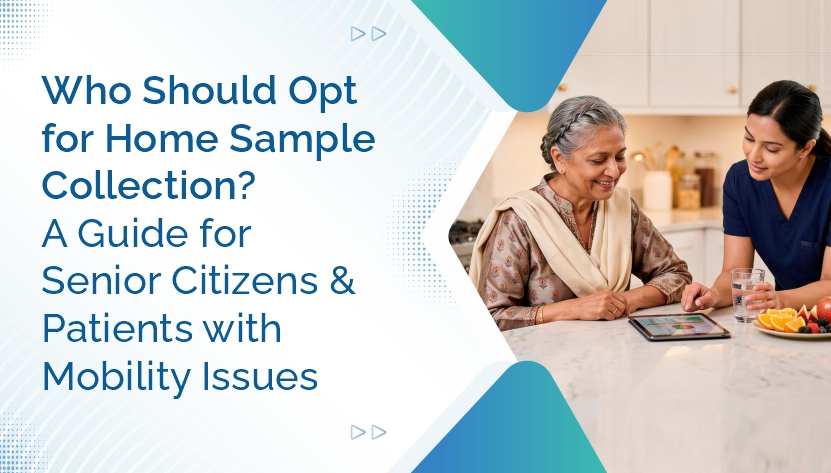


Healthcare has evolved significantly in recent years, making diagnostic services more accessible than ever. One of the most convenient advancements is home sample collection, a service that allows trained phlebotomists to collect blood, urine, or other diagnostic samples from the comfort of a patient's home. This eliminates the need to travel to a diagnostic center or hospital, making healthcare more accessible, comfortable, and efficient.
For many people, visiting a diagnostic laboratory is a routine task. However, for senior citizens, individuals with mobility challenges, chronic illnesses, disabilities, or post-surgical conditions, even a short trip can be physically demanding and stressful. Home sample collection bridges this gap by bringing quality diagnostic services directly to the patient.
What Is Home Sample Collection?
Home sample collection is a healthcare service where a qualified technician visits a patient's home to collect samples required for laboratory testing. These samples are then transported under controlled conditions to an accredited laboratory for analysis.
Common tests available through home sample collection include:
The process is designed to provide the same level of accuracy and reliability as sample collection conducted in a laboratory setting.
Why Home Sample Collection Is Becoming Increasingly Popular
The demand for home healthcare services has grown rapidly due to increasing awareness about preventive healthcare and the need for convenient diagnostic solutions.
Several factors contribute to this trend:
For many individuals, especially seniors and patients with physical limitations, home sample collection is no longer a luxury it has become a necessity.
Who Should Opt for Home Sample Collection?
While anyone can benefit from the convenience of at-home diagnostics, certain groups gain significant advantages.
1. Senior Citizens
Aging often brings physical limitations that make travel difficult. Older adults may experience:
For such individuals, traveling to a laboratory may involve considerable effort and discomfort.
Benefits for Senior Citizens
Reduced Physical Strain
Long walks, stairs, waiting areas, and transportation can be exhausting for elderly patients. Home sample collection eliminates these challenges.
Better Monitoring of Chronic Conditions
Many seniors require regular monitoring for:
Routine testing becomes easier when samples are collected at home.
Lower Risk of Exposure to Infections
Crowded healthcare settings can expose elderly individuals to infections. Home collection reduces unnecessary exposure, especially during flu seasons or disease outbreaks.
Increased Comfort
Being tested in familiar surroundings helps reduce stress and anxiety, making the overall experience more pleasant.
2. Patients with Mobility Issues
Mobility challenges can result from temporary injuries or long-term conditions.
Examples include:
For these individuals, transportation often requires assistance, specialized vehicles, or mobility aids.
How Home Sample Collection Helps
Diagnostic testing becomes accessible without compromising comfort or dignity.
3. Bedridden Patients
Patients confined to bed due to illness or disability often face significant challenges accessing healthcare services.
Common situations include:
Home sample collection allows these patients to receive essential diagnostic services without the risks associated with transportation.
Advantages
This contributes significantly to better patient care and quality of life.
4. Individuals Recovering from Surgery
Post-surgical recovery often requires regular blood tests to monitor healing and identify complications.
Examples include:
Traveling during recovery can:
Home sample collection supports a smoother recovery process by allowing patients to stay comfortably at home while still receiving necessary diagnostic monitoring.
5. Patients with Chronic Diseases
Chronic illnesses often require frequent laboratory testing.
Conditions that commonly require ongoing monitoring include:
Diabetes
Patients may need regular:
Hypertension
Monitoring may involve:
Kidney Disease
Regular evaluation often includes:
Thyroid Disorders
Frequent thyroid hormone monitoring helps ensure medications remain effective.
For such patients, home sample collection simplifies disease management and encourages adherence to testing schedules.
6. Patients Undergoing Cancer Treatment
Cancer patients frequently require laboratory testing throughout diagnosis, treatment, and recovery.
Common monitoring tests include:
Chemotherapy and radiation therapy can weaken the immune system and cause fatigue.
Benefits for Cancer Patients
Home sample collection supports continuity of care while minimizing physical and emotional stress.
7. Individuals with Disabilities
People living with physical disabilities may face barriers when accessing healthcare facilities.
Challenges may include:
Home diagnostic services promote healthcare equity by ensuring that essential testing remains accessible regardless of physical limitations.
8. High-Risk Patients with Weak Immunity
Some individuals have compromised immune systems due to:
Avoiding crowded public spaces is often recommended to reduce infection risk.
Home sample collection allows these patients to undergo necessary testing while minimizing exposure to potentially harmful pathogens.
9. Patients Experiencing Severe Anxiety About Medical Visits
Medical environments can trigger anxiety in some individuals.
Common concerns include:
Home sample collection offers a calmer and more familiar setting, helping reduce anxiety and improve the overall patient experience.
10. Busy Caregivers Managing Elderly Family Members
Family caregivers often juggle multiple responsibilities, including:
Transporting elderly relatives to diagnostic centers can be time-consuming and physically demanding.
Home sample collection helps caregivers save time while ensuring loved ones receive essential healthcare services.
Key Benefits of Home Sample Collection
Convenience
Patients can schedule appointments according to their availability without traveling to a laboratory.
Time Savings
Eliminates commuting, waiting times, and logistical challenges.
Enhanced Comfort
Being at home creates a relaxed environment that reduces stress and discomfort.
Better Compliance with Testing
Patients are more likely to undergo recommended testing when the process is simple and convenient.
Improved Access to Healthcare
Home collection extends diagnostic services to individuals who might otherwise face difficulties accessing care.
Safe and Hygienic Procedures
Professional technicians follow strict protocols for:
This ensures reliable and accurate test results.
Tips for Preparing for a Home Sample Collection Appointment
To ensure a smooth experience:
Follow Fasting Instructions
Certain tests require fasting for 8–12 hours. Confirm requirements beforehand.
Stay Hydrated
Drinking water can make vein access easier for blood collection.
Keep Medical Documents Ready
Have prescriptions, previous reports, and identification available if needed.
Choose a Comfortable Collection Area
Select a clean, well-lit location within your home.
Inform the Technician About Medications
Some medicines can influence test results and should be documented.
Are Home Sample Collection Results Accurate?
Yes. When performed by trained professionals and processed in accredited laboratories, home-collected samples provide results that are just as accurate as those collected in a laboratory.
Reliable diagnostic providers maintain:
Patients should always choose a trusted diagnostic center that follows recognized quality and safety guidelines.
When Home Sample Collection May Not Be Suitable
Although highly convenient, certain situations may still require a visit to a healthcare facility:
In such cases, healthcare professionals will guide patients toward the most appropriate testing facility.
Conclusion
Home sample collection has transformed the way people access diagnostic services, making healthcare more inclusive, convenient, and patient-centered. It is particularly beneficial for senior citizens, bedridden individuals, patients with mobility challenges, chronic disease sufferers, cancer patients, post-surgical patients, and those with compromised immunity.
By removing barriers associated with travel and physical discomfort, home sample collection encourages timely health monitoring, improves adherence to medical advice, and enhances overall quality of care. As healthcare continues to evolve, at-home diagnostic services are becoming an essential component of preventive and ongoing medical care.

Food-related reactions are often lumped together under a single umbrella, but food...
17-09-2026

For decades, cholesterol testing has been the cornerstone of cardiovascular risk...
17-09-2026

Chronic fatigue syndrome (chronic fatigue syndrome), also known as myalgic encephalomyelitis...
17-09-2026
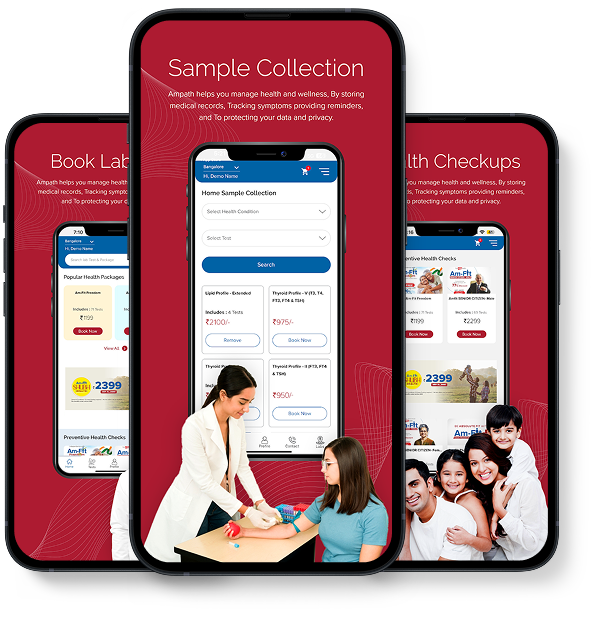
Book lab tests, access reports instantly, and get seamless home sample collection with advanced technology.
Trusted by millions, Ampath Labs ensures accurate diagnostics, convenience, and care at your fingertips.



 Select Location



 Get 15% OFF on 1st order above ₹100 Use code:



































































.jpg)