


Cholesterol is a waxy, fat-like substance that plays an important role in the body's normal functioning. It is needed to build healthy cells, produce hormones, and support various metabolic processes. However, not all cholesterol is the same. Among the different types, Low-Density Lipoprotein (LDL) cholesterol is often referred to as "bad cholesterol" because high levels can increase the risk of heart disease and stroke. A blood test that measures LDL cholesterol is a key part of assessing cardiovascular health and identifying potential risks before symptoms develop.
What Is LDL Cholesterol?
LDL stands for Low-Density Lipoprotein, a type of lipoprotein that carries cholesterol from the liver to various tissues throughout the body. Cholesterol is essential for cell membrane formation and hormone production, but excessive LDL cholesterol can become harmful.
When LDL cholesterol levels are too high, cholesterol can accumulate on the walls of arteries, forming plaque deposits. This process, known as atherosclerosis, narrows and hardens the arteries, reducing blood flow to vital organs such as the heart and brain. Over time, this can lead to heart attacks, strokes, and other cardiovascular diseases.
What Is an LDL Cholesterol Blood Test?
An LDL cholesterol blood test measures the amount of LDL cholesterol circulating in the bloodstream. It is usually included as part of a lipid profile or lipid panel, which evaluates overall cholesterol health.
A typical lipid profile measures:
The test helps doctors assess cardiovascular risk and determine whether lifestyle modifications or medications are necessary.
Why Is LDL Cholesterol Testing Important?
LDL cholesterol testing is important because high cholesterol often has no noticeable symptoms. Many people are unaware of elevated LDL levels until they develop serious complications such as heart disease.
Regular testing helps:
Early detection allows timely intervention and reduces the risk of long-term health problems.
Normal LDL Cholesterol Levels
LDL cholesterol levels are measured in milligrams per deciliter (mg/dL).
General guidelines include:
| LDL Cholesterol Level | Interpretation |
|---|---|
| Less than 100 mg/dL | Optimal |
| 100–129 mg/dL | Near optimal |
| 130–159 mg/dL | Borderline high |
| 160–189 mg/dL | High |
| 190 mg/dL and above | Very high |
For individuals with diabetes, heart disease, or other cardiovascular risk factors, doctors may recommend maintaining LDL levels well below 100 mg/dL.
Causes of High LDL Cholesterol
Several factors can contribute to elevated LDL cholesterol levels. Some are related to lifestyle choices, while others are influenced by genetics or medical conditions.
Unhealthy Diet
A diet rich in saturated fats, trans fats, and processed foods is one of the most common causes of high LDL cholesterol.
Foods that may raise LDL levels include:
Excessive consumption of these foods increases cholesterol production and promotes plaque buildup in arteries.
Lack of Physical Activity
Physical inactivity can contribute to unhealthy cholesterol levels. Regular exercise helps increase HDL cholesterol while lowering LDL cholesterol and triglycerides.
Sedentary lifestyles are strongly associated with obesity and cardiovascular disease.
Obesity and Excess Weight
Being overweight or obese often leads to elevated LDL cholesterol levels. Excess body fat, particularly around the abdomen, affects cholesterol metabolism and increases cardiovascular risk.
Weight loss can significantly improve cholesterol profiles.
Smoking
Smoking damages blood vessels and lowers HDL cholesterol levels. It also promotes oxidation of LDL cholesterol, making it more likely to contribute to plaque formation.
Quitting smoking improves cholesterol balance and heart health.
Excessive Alcohol Consumption
Heavy alcohol intake can increase triglycerides and contribute to poor cholesterol control, indirectly affecting cardiovascular health.
Genetic Factors
Some individuals inherit conditions that cause high cholesterol levels regardless of lifestyle habits.
Medical Conditions
Several health conditions can increase LDL cholesterol levels, including:
Managing these conditions often helps improve cholesterol levels.
Symptoms of High LDL Cholesterol
High LDL cholesterol itself usually does not cause symptoms. This is why it is often called a "silent risk factor."
Many people discover elevated LDL levels only after routine blood testing or when complications develop.
In severe cases, symptoms may arise due to blocked arteries, such as:
Because symptoms often appear late, regular cholesterol screening is essential.
Health Risks of High LDL Cholesterol
Persistently high LDL cholesterol significantly increases the risk of cardiovascular diseases.
Atherosclerosis
High LDL cholesterol promotes plaque buildup inside arteries. Over time, arteries become narrower and less flexible, restricting blood flow.
Coronary Artery Disease
When cholesterol plaques affect arteries supplying the heart, coronary artery disease may develop. Reduced blood flow can cause chest pain and increase the risk of heart attack.
Heart Attack
A heart attack occurs when a plaque ruptures and forms a blood clot that blocks blood flow to part of the heart muscle.
High LDL cholesterol is one of the leading risk factors for heart attacks worldwide.
Stroke
If a blood clot blocks blood flow to the brain, a stroke can occur. Elevated LDL cholesterol contributes to arterial blockages that increase stroke risk.
Peripheral Artery Disease (PAD)
Plaque buildup in arteries supplying the legs can lead to PAD, causing pain, reduced mobility, and poor circulation.
Chronic Kidney Disease
Reduced blood flow due to atherosclerosis may affect kidney function and contribute to chronic kidney disease.
Who Should Get an LDL Cholesterol Blood Test?
Healthcare providers generally recommend cholesterol screening for:
More frequent testing may be necessary for people with existing cardiovascular disease or high cholesterol.
How to Prepare for an LDL Cholesterol Test
Depending on the type of lipid profile ordered, fasting may be required.
Preparation tips may include:
Following preparation instructions helps ensure accurate results.
Ways to Lower LDL Cholesterol Naturally
Many people can reduce LDL cholesterol through healthy lifestyle changes.
Follow a Heart-Healthy Diet
Diet plays a major role in cholesterol management.
Choose foods such as:
Limit foods high in saturated and trans fats.
Increase Soluble Fiber Intake
Soluble fiber binds cholesterol in the digestive tract and helps remove it from the body.
Good sources include:
Exercise Regularly
Regular physical activity helps lower LDL cholesterol and improve cardiovascular fitness.
Aim for at least:
Activities may include walking, jogging, cycling, swimming, or dancing.
Maintain a Healthy Weight
Losing even 5–10% of body weight can significantly improve cholesterol levels and reduce cardiovascular risk.
Quit Smoking
Smoking cessation improves blood vessel function and increases HDL cholesterol levels.
The benefits begin shortly after quitting and continue to improve over time.
Manage Stress
Chronic stress may contribute to unhealthy lifestyle habits that affect cholesterol levels.
Stress management techniques include:
Limit Alcohol Intake
Moderate alcohol consumption and avoiding excessive drinking support overall heart health.
Medical Treatments for High LDL Cholesterol
When lifestyle changes alone are insufficient, doctors may prescribe medications.
Statins
Statins are the most commonly prescribed cholesterol-lowering drugs. They reduce cholesterol production in the liver and lower LDL levels effectively.
Examples include:
Cholesterol Absorption Inhibitors
These medications reduce cholesterol absorption from the intestines.
PCSK9 Inhibitors
PCSK9 inhibitors are injectable medications used for individuals with very high cholesterol or familial hypercholesterolemia.
Combination Therapy
Some patients may require multiple medications to achieve target LDL cholesterol levels.
Treatment decisions depend on:
Tips for Maintaining Healthy Cholesterol Levels
Long-term cholesterol control requires consistent healthy habits.
Key strategies include:
Small daily changes can have a significant impact on heart health over time.
Conclusion
LDL cholesterol, commonly known as bad cholesterol, is an important marker of cardiovascular health. While cholesterol is essential for normal body functions, excessive LDL cholesterol can accumulate in arteries, increasing the risk of atherosclerosis, heart attacks, strokes, and other serious health conditions. Since high LDL cholesterol often develops without symptoms, regular blood testing is crucial for early detection and prevention.
Fortunately, LDL cholesterol can often be managed through a combination of healthy eating, regular exercise, weight management, smoking cessation, and stress reduction. For individuals at higher risk, medications may provide additional protection against cardiovascular disease. Understanding your LDL cholesterol levels and taking proactive steps to keep them within a healthy range can significantly improve long-term heart health and overall well-being.
Food-related reactions are often lumped together under a single umbrella, but food...
17-09-2026
For decades, cholesterol testing has been the cornerstone of cardiovascular risk...
17-09-2026

Chronic fatigue syndrome (chronic fatigue syndrome), also known as myalgic encephalomyelitis...
17-09-2026
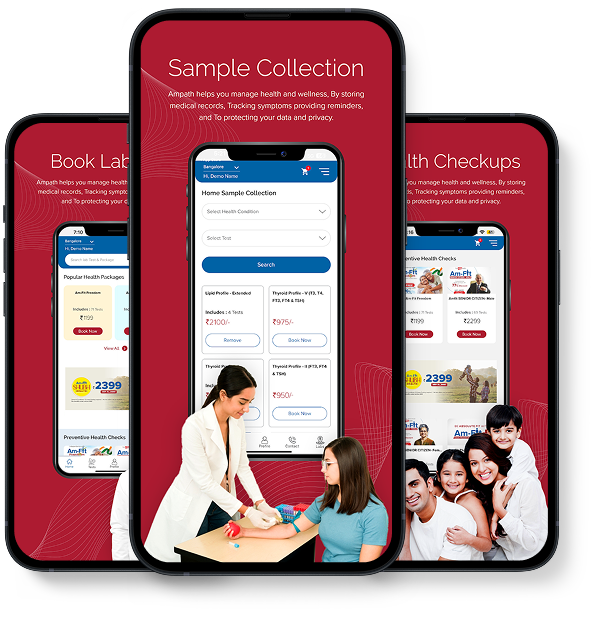
Book lab tests, access reports instantly, and get seamless home sample collection with advanced technology.
Trusted by millions, Ampath Labs ensures accurate diagnostics, convenience, and care at your fingertips.



 Select Location


 Get 15% OFF on 1st order above ₹100 Use code:



































































.jpg)