
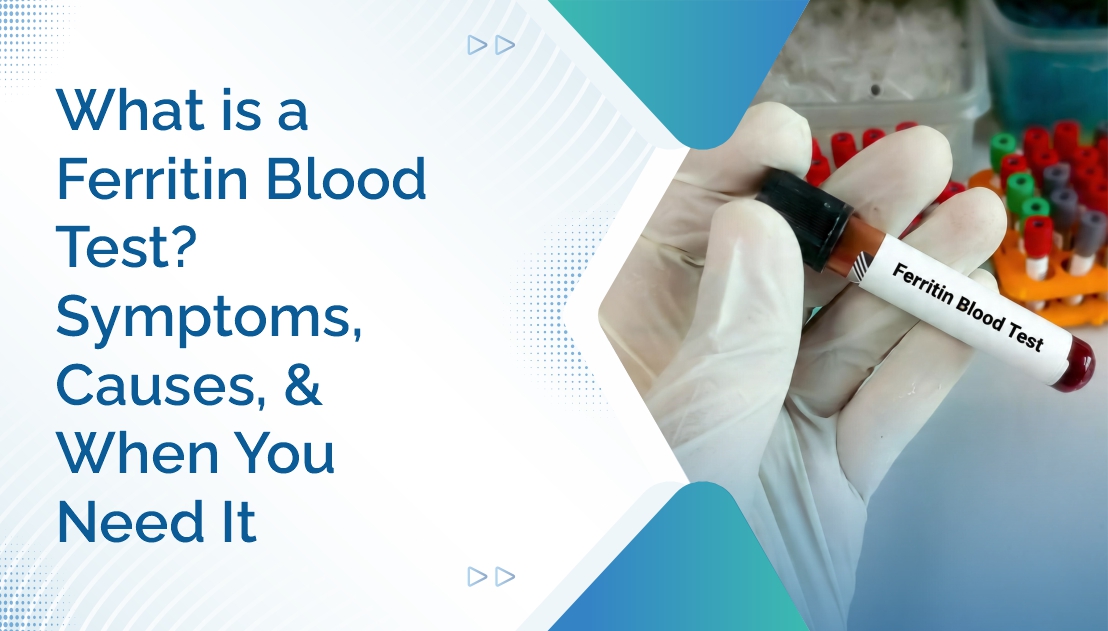


Iron is an essential mineral required for the production of red blood cells, which carry oxygen throughout the human body. However, measuring the amount of iron currently circulating in your blood only provides a partial picture of your overall health. To accurately assess your body's long-term iron storage capacity, medical professionals rely on a specific diagnostic tool known as a ferritin blood test.
Ferritin is a cellular protein responsible for storing iron and releasing it in a controlled fashion. The amount of ferritin in your blood is directly proportional to the amount of iron stored in your body. By evaluating these levels, healthcare providers can detect underlying medical conditions long before severe complications arise.
What is a Ferritin Blood Test?
A ferritin blood test measures the concentration of the ferritin protein in your bloodstream. While standard iron tests measure the iron floating freely in your blood, a ferritin test acts as a gauge for your body's reserves.
Think of your body’s iron supply as a bank account. The circulating iron is your checking account, used for daily physiological transactions. Ferritin represents your savings account, reserved for future use. A ferritin blood test allows diagnostic experts to check the balance of that savings account, ensuring you have enough reserves to maintain healthy biological functions.
Why Doctors Recommend a Ferritin Blood Test
Physicians order this specific blood test to diagnose conditions related to iron metabolism. It is a highly accurate diagnostic service that helps confirm whether you have an iron deficiency or an iron overload. The results provide actionable data that guides treatment plans, such as dietary adjustments, iron supplementation, or therapeutic phlebotomy.
Medical professionals also use this test to monitor the effectiveness of ongoing treatments for known iron disorders and to evaluate chronic conditions like liver disease or autoimmune disorders, which can independently alter ferritin levels.
Symptoms Indicating the Need for a Ferritin Test
Your healthcare provider may recommend a comprehensive health check, including a ferritin test, if you exhibit signs of either insufficient or excessive iron stores.
Signs of Low Ferritin (Iron Deficiency)
When your body lacks adequate iron stores, it cannot produce enough healthy red blood cells. This condition, known as iron deficiency anemia, deprives your tissues of necessary oxygen. Common symptoms include:
Signs of High Ferritin (Iron Overload)
Conversely, too much stored iron can accumulate in vital organs like the liver, heart, and pancreas, potentially causing severe damage over time. Symptoms of elevated ferritin often develop gradually and may include:
Causes of Abnormal Ferritin Levels
Understanding the root cause of abnormal ferritin levels is essential for accurate diagnosis and effective medical intervention.
What Causes Low Ferritin?
Low ferritin levels almost always indicate iron deficiency. Several factors can deplete your iron reserves:
What Causes High Ferritin?
Elevated ferritin levels indicate an accumulation of iron, but they can also serve as a marker for systemic inflammation. Causes include:
How the Test is Performed and What to Expect
The ferritin blood test is a routine and safe procedure performed at a trusted diagnostic center or pathology lab. A certified phlebotomist will clean a small area on your arm and use a sterile needle to draw a blood sample. The entire process takes only a few minutes and involves minimal discomfort.
Once the sample is collected, it is processed in a state-of-the-art laboratory to ensure accurate and timely reports. Your healthcare provider will review the findings and discuss the next steps based on your individual requirements.
Conclusion
Monitoring your internal iron stores is a critical component of proactive healthcare. Whether you are experiencing unexplained fatigue or joint pain, a ferritin blood test provides the clear, factual data necessary to identify underlying medical issues. Early detection of iron deficiency or iron overload ensures that you can begin an appropriate, tailored treatment plan immediately.

Food-related reactions are often lumped together under a single umbrella, but food...
17-09-2026

For decades, cholesterol testing has been the cornerstone of cardiovascular risk...
17-09-2026
Chronic fatigue syndrome (chronic fatigue syndrome), also known as myalgic encephalomyelitis...
17-09-2026
Book lab tests, access reports instantly, and get seamless home sample collection with advanced technology.
Trusted by millions, Ampath Labs ensures accurate diagnostics, convenience, and care at your fingertips.




 Select Location



 Get 15% OFF on 1st order above ₹100 Use code:



































































.jpg)