



Vitamin B1, also known as thiamine, is an essential nutrient that plays a critical role in energy metabolism and the proper functioning of the nervous system. As a water-soluble vitamin, it is not stored in the body and must be regularly consumed through diet. A deficiency in this vital nutrient can lead to significant health complications, affecting various bodily functions.
Role of Vitamin B1 in the Body
Thiamine is a crucial coenzyme in the catabolism of sugars and amino acids, converting food into usable energy. It is also indispensable for the nervous system:
Deficiency disrupts these processes, leading to neurological and cardiovascular problems.
Symptoms of Vitamin B1 Deficiency
Symptoms progress gradually and are categorized by affected systems: nervous system (dry beriberi) and cardiovascular system (wet beriberi).
Neurological Symptoms (Dry Beriberi)
Cardiovascular Symptoms (Wet Beriberi)
Common Causes of Thiamine Deficiency
Diagnosing and Treating Vitamin B1 Deficiency
Diagnosis involves physical examination, medical history, dietary assessment, and lab tests, including blood thiamine levels or erythrocyte transketolase activity assay.
Treatment depends on severity:
Addressing the underlying cause, dietary changes, alcohol use treatment, and management of co-existing medical conditions is essential for long-term prevention.
Conclusion
Vitamin B1 deficiency is serious but preventable and treatable. Recognizing symptoms, understanding causes, and adopting a nutrient-rich diet help protect nervous and cardiovascular health. Consult a healthcare professional if you suspect a deficiency to receive proper diagnosis and treatment, ensuring your body gets the essential nutrients it needs.

Food-related reactions are often lumped together under a single umbrella, but food...
17-09-2026
For decades, cholesterol testing has been the cornerstone of cardiovascular risk...
17-09-2026

Chronic fatigue syndrome (chronic fatigue syndrome), also known as myalgic encephalomyelitis...
17-09-2026
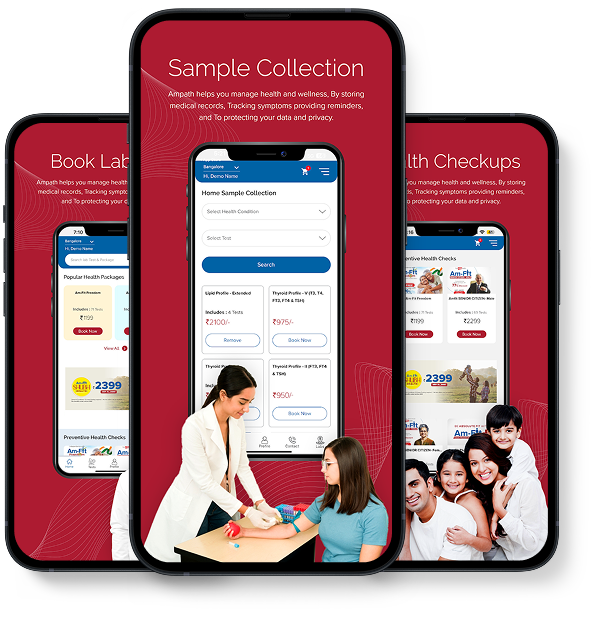
Book lab tests, access reports instantly, and get seamless home sample collection with advanced technology.
Trusted by millions, Ampath Labs ensures accurate diagnostics, convenience, and care at your fingertips.



 Select Location



 Get 15% OFF on 1st order above ₹100 Use code:



































































.jpg)