
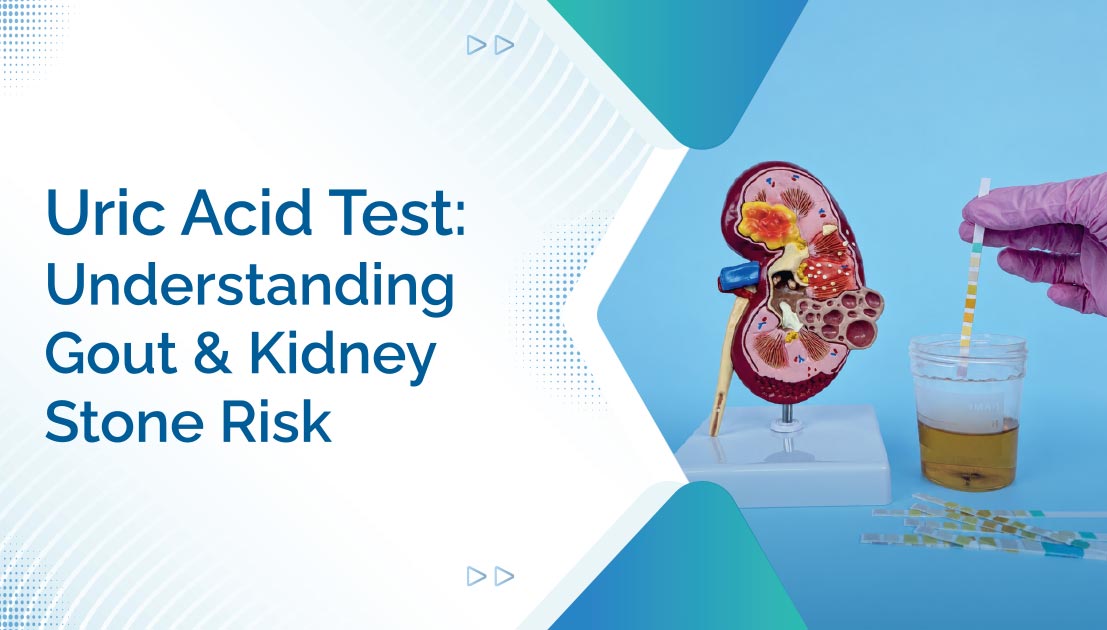


A uric acid test is an important diagnostic tool that measures the amount of uric acid present in the blood or urine. While uric acid is a natural waste product formed when the body breaks down purines, excessive levels can lead to painful health conditions such as gout and kidney stones. High uric acid levels may also indicate underlying metabolic or kidney-related problems that require medical attention.
Many people live with elevated uric acid levels without experiencing symptoms initially. However, if left unmanaged, excess uric acid can crystallize inside joints, kidneys, and urinary passages, leading to severe pain and long-term complications. A simple uric acid test helps healthcare providers identify abnormalities early, monitor ongoing treatment, and recommend lifestyle changes before complications develop.
What Is Uric Acid?
Uric acid is a waste product produced when the body breaks down substances called purines. Purines are naturally found in:
Normally, uric acid dissolves in the bloodstream, passes through the kidneys, and leaves the body through urine.
Problems arise when:
Excess uric acid can accumulate in the bloodstream, resulting in a condition called hyperuricemia.
What Is a Uric Acid Test?
A uric acid test measures the concentration of uric acid in:
Healthcare providers may recommend one or both tests depending on the patient's symptoms and medical history.
The blood test is the most common method for diagnosing elevated uric acid levels.
Why Is a Uric Acid Test Recommended?
Doctors may suggest a uric acid test for several reasons.
To Diagnose Gout
Gout develops when uric acid crystals accumulate inside joints.
Symptoms include:
The big toe is most affected, although gout can involve ankles, knees, wrists, fingers, and elbows.
To Evaluate Kidney Stones
Certain kidney stones are made of uric acid crystals.
Testing helps determine whether elevated uric acid contributes to stone formation.
To Monitor Gout Treatment
Patients taking medications for gout require regular monitoring to ensure uric acid remains within the target range.
To Assess Kidney Function
Poor kidney function can reduce uric acid removal from the body.
Elevated levels sometimes indicate declining kidney performance.
During Cancer Treatment
Patients undergoing chemotherapy may develop rapid cell breakdown.
This releases large amounts of purines, causing uric acid levels to rise quickly.
Monitoring helps prevent kidney complications.
To Investigate Metabolic Disorders
High uric acid is sometimes associated with:
Testing provides additional information during overall health evaluation.
Symptoms That May Require a Uric Acid Test
A healthcare provider may recommend testing if someone experiences:
Joint-related symptoms
Kidney stone symptoms
Kidney disease symptoms
What Causes High Uric Acid Levels?
Several factors contribute to elevated uric acid.
Diet Rich in Purines
Foods containing high purine levels include:
Excess Alcohol Consumption
Alcohol reduces the kidneys' ability to eliminate uric acid.
Beer has particularly high purine content.
Sugary Drinks
Beverages containing high-fructose corn syrup increase uric acid production.
Obesity
Excess body weight increases uric acid production and reduces its elimination.
Kidney Disease
Damaged kidneys cannot efficiently remove waste products.
Certain Medications
Some medicines increase uric acid levels, including:
Genetic Factors
Family history increases the likelihood of developing hyperuricemia and gout.
Medical Conditions
High uric acid may occur with:
Causes of Low Uric Acid Levels
Although less common, low uric acid may occur due to:
Low levels usually require evaluation only when accompanied by symptoms or other abnormal findings.
Understanding Gout
Gout is one of the most common inflammatory arthritis conditions caused by excess uric acid.
When uric acid remains elevated, needle-shaped crystals form inside joints.
The immune system reacts to these crystals, resulting in intense inflammation.
Commonly Affected Joints
Symptoms of Gout
Symptoms usually appear suddenly.
These include:
Without treatment, attacks may become more frequent.
How High Uric Acid Causes Kidney Stones
Not all kidney stones are made from calcium.
Approximately 5–10% are composed mainly of uric acid.
High uric acid levels combined with acidic urine promote crystal formation.
Over time these crystals enlarge into stones.
Symptoms of Uric Acid Kidney Stones
Symptoms include:
Large stones may block urine flow and require urgent medical treatment.
Types of Uric Acid Tests
Serum Uric Acid Test
This blood test measures uric acid circulating in the bloodstream.
It is commonly ordered during routine investigations or when symptoms suggest gout.
Urine Uric Acid Test
A 24-hour urine collection evaluates how much uric acid leaves the body.
This helps determine whether excess production or reduced kidney elimination is responsible.
How Is the Blood Test Performed?
The procedure is simple.
A healthcare professional:
The entire process usually takes only a few minutes.
Preparing for the Test
Preparation depends on the healthcare provider's instructions.
General recommendations include:
Some medications can affect uric acid levels, so medical guidance is essential.
Understanding Test Results
Normal reference ranges vary slightly between laboratories.
Generally:
Men
Approximately 3.5–7.2 mg/dL
Women
Approximately 2.6–6.0 mg/dL
Children usually have slightly different ranges.
Healthcare providers interpret results alongside symptoms, medical history, kidney function, and other laboratory findings.
What Does High Uric Acid Mean?
Elevated uric acid may indicate:
A high value alone does not confirm gout.
Some individuals with elevated uric acid never develop symptoms.
What Does Low Uric Acid Mean?
Low uric acid may occur because of:
Doctors evaluate these findings together with other clinical information.
Can Normal Uric Acid Levels Still Occur During Gout?
Yes.
Some patients experience a gout attack even when blood uric acid temporarily appears normal.
For this reason, doctors consider:
Diagnosis is based on the overall clinical picture rather than one blood test alone.
Treatment for High Uric Acid
Treatment depends on the underlying cause and whether symptoms are present.
Lifestyle Modifications
Doctors commonly recommend:
Dietary Changes
Foods to limit include:
Healthier options include:
Medications
When lifestyle measures are insufficient, medications may be prescribed to:
Treatment should always be supervised by a qualified healthcare provider.
Preventing Gout and Kidney Stones
Reducing uric acid-related complications often involves long-term healthy habits.
Helpful measures include:
Who Should Consider Regular Uric Acid Testing?
Regular monitoring may benefit individuals with:
Routine monitoring helps assess treatment effectiveness and reduce the likelihood of complications.
Conclusion
A uric acid test is a valuable investigation for identifying conditions linked to excess uric acid, including gout and certain types of kidney stones. Since high uric acid levels may remain unnoticed until symptoms appear, timely testing plays an important role in identifying potential health concerns before they progress.
When combined with a thorough clinical evaluation, the test provides useful information about kidney function, metabolic health, and treatment effectiveness. Along with appropriate medical care, healthy eating habits, adequate hydration, maintaining a healthy weight, and following prescribed medications can help manage uric acid levels and reduce the risk of painful complications. Regular monitoring remains an important part of long-term care for individuals at higher risk of gout, kidney stones, or chronic kidney disease.

Food-related reactions are often lumped together under a single umbrella, but food...
17-09-2026

For decades, cholesterol testing has been the cornerstone of cardiovascular risk...
17-09-2026

Chronic fatigue syndrome (chronic fatigue syndrome), also known as myalgic encephalomyelitis...
17-09-2026
Book lab tests, access reports instantly, and get seamless home sample collection with advanced technology.
Trusted by millions, Ampath Labs ensures accurate diagnostics, convenience, and care at your fingertips.




 Select Location



 Get 15% OFF on 1st order above ₹100 Use code:



































































.jpg)