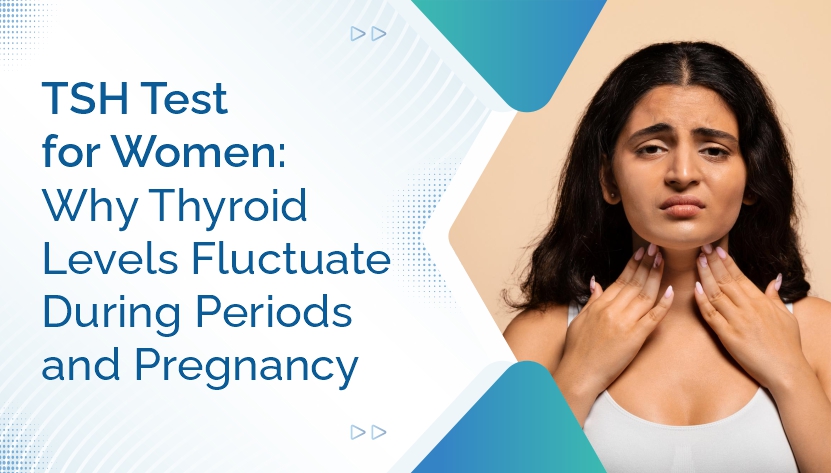


The thyroid gland may be small, but it plays a crucial role in regulating metabolism, energy production, body temperature, heart function, mood, and reproductive health. For women, maintaining optimal thyroid function is especially important because hormonal changes throughout life can significantly affect thyroid hormone levels.
One of the most common tests used to evaluate thyroid function is the TSH (Thyroid-Stimulating Hormone) test. Women often experience fluctuations in thyroid hormone levels during menstruation, pregnancy, postpartum recovery, and menopause. These hormonal shifts can sometimes lead to symptoms such as fatigue, weight changes, mood swings, irregular periods, or fertility challenges.
What Is a TSH Test?
TSH stands for Thyroid-Stimulating Hormone, which is produced by the pituitary gland located at the base of the brain.
Its primary function is to regulate the production of two important thyroid hormones:
These hormones are produced by the thyroid gland in the neck and control several bodily functions, including:
The pituitary gland constantly monitors thyroid hormone levels.
If thyroid hormone levels are low:
The pituitary gland releases more TSH to stimulate the thyroid gland.
If thyroid hormone levels are high:
The pituitary gland reduces TSH production.
Because of this feedback mechanism, TSH is often considered the most sensitive indicator of thyroid health.
Why Is Thyroid Health Particularly Important for Women?
Women are significantly more likely to develop thyroid disorders than men.
Studies suggest that women are up to 5–8 times more likely to experience thyroid disease due to hormonal influences and autoimmune conditions.
The thyroid gland interacts closely with:
As these hormones fluctuate during different life stages, thyroid hormone production and TSH levels may also change.
Women may experience thyroid-related issues during:
Understanding Normal TSH Levels
Although reference ranges may vary slightly between laboratories, normal TSH levels are generally:
| Category | Typical TSH Range |
|---|---|
| Adults | 0.4–4.0 mIU/L |
| Pregnancy (1st Trimester) | 0.1–2.5 mIU/L |
| Pregnancy (2nd Trimester) | 0.2–3.0 mIU/L |
| Pregnancy (3rd Trimester) | 0.3–3.0 mIU/L |
Pregnancy-specific ranges are important because the body's thyroid hormone requirements increase significantly during pregnancy.
How the Menstrual Cycle Affects Thyroid Function
Many women notice changes in energy, mood, and metabolism throughout their menstrual cycle. Hormonal fluctuations during this time can influence thyroid function.
The Role of Estrogen
Estrogen levels rise before ovulation and fall before menstruation.
High estrogen levels can:
Although these changes are usually mild in healthy women, women with existing thyroid disorders may notice more pronounced symptoms.
Thyroid Disorders Can Affect Menstrual Cycles
An underactive or overactive thyroid can disrupt reproductive hormones and menstrual patterns.
Hypothyroidism may cause:
Hyperthyroidism may cause:
Women experiencing menstrual irregularities often benefit from thyroid testing as part of their evaluation.
Why Symptoms Sometimes Worsen Before Periods
Women with thyroid disorders frequently report worsening symptoms during the premenstrual phase.
Common complaints include:
This occurs because estrogen and progesterone fluctuations can influence how thyroid hormones are utilized by body tissues.
Why Pregnancy Causes Major Changes in Thyroid Levels
Pregnancy places significant demands on the thyroid gland.
During pregnancy:
As a result, thyroid hormone production may increase by up to 50%.
The Impact of hCG on TSH Levels
Human Chorionic Gonadotropin (hCG), the hormone detected in pregnancy tests, rises rapidly during early pregnancy.
Interestingly, hCG can mildly stimulate the thyroid gland because it has a structure similar to TSH.
As hCG rises:
This is completely normal during early pregnancy.
Women may therefore show lower-than-usual TSH values in the first trimester without having hyperthyroidism.
Increased Thyroid Hormone Requirements
During pregnancy:
To compensate, the thyroid gland must work harder.
Women with pre-existing hypothyroidism often need increased thyroid medication doses during pregnancy.
Why Thyroid Health Matters for the Baby
Adequate thyroid hormone levels are essential for fetal development.
They support:
Untreated thyroid dysfunction during pregnancy may increase the risk of:
This is why thyroid monitoring is considered an important part of prenatal care for high-risk women.
Common Thyroid Disorders During Pregnancy
1. Hypothyroidism
Hypothyroidism occurs when the thyroid gland does not produce enough hormones.
Symptoms
Hypothyroidism during pregnancy requires prompt treatment because it can affect both mother and baby.
2. Hyperthyroidism
Hyperthyroidism occurs when excessive thyroid hormones are produced.
Symptoms
Although less common, uncontrolled hyperthyroidism can increase pregnancy complications.
3. Gestational Thyroid Dysfunction
Some women develop temporary thyroid abnormalities during pregnancy due to hormonal changes.
These often normalize after delivery but still require monitoring.
Postpartum Thyroid Changes
Many women assume thyroid concerns disappear after childbirth, but the postpartum period can trigger thyroid dysfunction.
Postpartum Thyroiditis
This condition involves inflammation of the thyroid gland after delivery.
It typically occurs within the first year after childbirth.
The condition often follows two phases:
Phase 1: Hyperthyroidism
Symptoms may include:
Phase 2: Hypothyroidism
Symptoms may include:
Some women recover completely, while others develop permanent hypothyroidism.
Who Should Get a TSH Test?
Women should consider thyroid testing if they experience:
Menstrual Issues
Fertility Problems
Pregnancy-Related Risk Factors
Common Symptoms
How Is the TSH Test Performed?
The TSH test is a simple blood test.
Procedure
The test is safe, quick, and requires minimal preparation.
Some physicians may also recommend:
These tests provide a more complete assessment of thyroid function.
Tips for Accurate Thyroid Testing
To obtain reliable results:
Maintaining Healthy Thyroid Function
While some thyroid disorders have genetic or autoimmune causes, lifestyle habits can support thyroid health.
Eat Iodine-Rich Foods
Examples include:
Ensure Adequate Selenium Intake
Good sources include:
Monitor Iron and Vitamin D Levels
Deficiencies in these nutrients are common among women and may affect thyroid health.
Manage Stress
Chronic stress can negatively impact hormonal balance and overall well-being.
Helpful strategies include:
Schedule Regular Health Checkups
Routine thyroid screening is particularly valuable for:
Conclusion
The thyroid gland and female reproductive hormones share a complex and interconnected relationship. Changes in estrogen, progesterone, and pregnancy-related hormones can influence thyroid function, causing fluctuations in TSH levels throughout a woman's life.
While mild variations during menstruation and pregnancy are often normal, persistent symptoms such as fatigue, menstrual irregularities, fertility issues, unexplained weight changes, or mood disturbances should never be ignored. A simple TSH blood test can provide valuable insights into thyroid health and help identify conditions such as hypothyroidism, hyperthyroidism, or pregnancy-related thyroid disorders.

Food-related reactions are often lumped together under a single umbrella, but food...
17-09-2026
For decades, cholesterol testing has been the cornerstone of cardiovascular risk...
17-09-2026
Chronic fatigue syndrome (chronic fatigue syndrome), also known as myalgic encephalomyelitis...
17-09-2026
Book lab tests, access reports instantly, and get seamless home sample collection with advanced technology.
Trusted by millions, Ampath Labs ensures accurate diagnostics, convenience, and care at your fingertips.



 Select Location



 Get 15% OFF on 1st order above ₹100 Use code:



































































.jpg)