
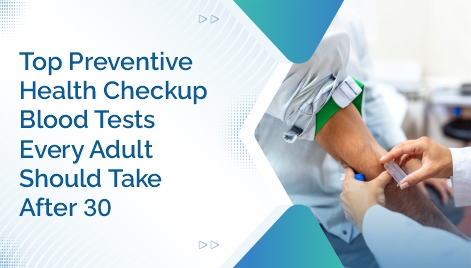


Turning 30 is a significant milestone in life. While many people focus on career growth, family responsibilities, and financial planning during this phase, health often takes a back seat. However, the risk of developing chronic health conditions such as diabetes, high cholesterol, heart disease, thyroid disorders, and liver problems begins to increase after the age of 30. Many of these conditions develop silently without noticeable symptoms in the early stages.
This is where preventive health checkups become essential. Regular blood tests help detect underlying health issues before they become serious, allowing timely treatment and lifestyle modifications. Preventive healthcare is not just about diagnosing diseases; it is about maintaining overall wellness, improving quality of life, and reducing future healthcare costs.
Why Preventive Blood Tests Matter After 30
As we age, our metabolism, hormone levels, and organ functions gradually change. Factors such as stress, sedentary lifestyles, unhealthy eating habits, lack of exercise, smoking, and alcohol consumption can increase the risk of various health conditions.
Regular blood tests can help:
Many serious conditions, including diabetes, high cholesterol, kidney disease, and liver disorders, can be identified through routine blood screening before symptoms appear.
1. Complete Blood Count (CBC)
A Complete Blood Count (CBC) is one of the most commonly recommended preventive blood tests. It provides valuable information about your overall health by measuring different components of blood, including:
Why It Is Important
CBC helps detect:
People who frequently experience fatigue, weakness, dizziness, or recurrent infections can benefit significantly from regular CBC testing.
Recommended Frequency
Once every year during routine health checkups.
2. Fasting Blood Sugar (FBS)
Diabetes is becoming increasingly common among adults, especially in urban populations. A Fasting Blood Sugar test measures blood glucose levels after fasting for 8–12 hours.
Why It Is Important
The test helps identify:
Early detection can prevent complications affecting the heart, kidneys, nerves, and eyes.
Normal Range
Recommended Frequency
At least once every year after age 30.
3. HbA1c Test
The HbA1c test measures average blood sugar levels over the previous two to three months.
Why It Is Important
Unlike a fasting glucose test, HbA1c provides a long-term picture of blood sugar control and helps detect diabetes early.
Normal Range
Recommended Frequency
Every 1–3 years, depending on risk factors and previous results.
4. Lipid Profile
Heart disease remains one of the leading causes of death worldwide. A Lipid Profile measures various types of fats in the blood, including:
Why It Is Important
High cholesterol levels often cause no symptoms but significantly increase the risk of:
Recommended Frequency
Once every year after age 30, especially if there is a family history of heart disease.
5. Liver Function Test (LFT)
The liver performs hundreds of essential functions, including detoxification, digestion, and nutrient storage.
What It Measures
Why It Is Important
LFT helps detect:
Recommended Frequency
Annually as part of routine preventive screening.
6. Kidney Function Test (KFT)
Kidney disease often progresses silently until significant damage has occurred.
What It Measures
Why It Is Important
The test helps evaluate:
Early detection can prevent kidney failure and reduce long-term complications.
Recommended Frequency
Once every year.
7. Thyroid Function Test (TFT)
Thyroid disorders are particularly common among adults and women.
What It Measures
Why It Is Important
Thyroid testing helps identify:
Symptoms such as weight gain, fatigue, hair loss, mood changes, and irregular periods may indicate thyroid problems.
Recommended Frequency
Every 1–2 years after age 30.
8. Vitamin D Test
Vitamin D deficiency has become extremely common due to indoor lifestyles and limited sun exposure.
Why It Is Important
Adequate Vitamin D levels support:
Deficiency may lead to fatigue, bone pain, muscle weakness, and increased fracture risk.
Recommended Frequency
Every 1–2 years or as advised by a physician.
9. Vitamin B12 Test
Vitamin B12 plays a crucial role in nerve function and red blood cell production.
Why It Is Important
Low Vitamin B12 levels may cause:
Vegetarians and vegans are particularly susceptible to deficiency.
Recommended Frequency
Every 1–2 years.
10. Iron Studies and Ferritin Test
Iron deficiency remains one of the most common nutritional deficiencies globally.
Why It Is Important
These tests help detect:
Low iron levels can cause tiredness, weakness, shortness of breath, and poor concentration.
Recommended Frequency
Based on individual risk factors and symptoms.
11. C-Reactive Protein (CRP)
CRP is a marker of inflammation in the body.
Why It Is Important
Elevated CRP levels may indicate:
High-sensitivity CRP (hs-CRP) is particularly useful for assessing heart disease risk.
Recommended Frequency
As part of cardiovascular risk assessment.
12. Uric Acid Test
Uric acid is a waste product formed during the breakdown of purines.
Why It Is Important
High levels may increase the risk of:
The test is especially important for individuals with joint pain or a family history of gout.
Recommended Frequency
Annually or as recommended.
13. Electrolyte Panel
Electrolytes help regulate vital bodily functions.
What It Measures
Why It Is Important
Electrolyte imbalances can affect:
Recommended Frequency
During routine annual checkups.
14. D-Dimer Test (When Recommended)
Although not a routine annual screening test for everyone, D-Dimer testing may be advised for individuals at higher risk of blood clotting disorders.
Why It Is Important
It helps identify:
Recommended Frequency
Only when clinically indicated.
15. Homocysteine Test
Homocysteine is an amino acid linked to cardiovascular health.
Why It Is Important
Elevated levels may increase the risk of:
This test can provide additional insight into cardiovascular risk, especially in people with family histories of heart conditions.
Recommended Frequency
As recommended by a healthcare provider.
How Often Should Adults Over 30 Get Blood Tests?
The frequency of testing depends on several factors:
For most healthy adults, an annual preventive health checkup that includes CBC, blood sugar, lipid profile, liver function, kidney function, and thyroid testing is recommended.
Individuals with diabetes, hypertension, obesity, smoking habits, or a family history of chronic diseases may require more frequent monitoring.
Lifestyle Tips to Maintain Healthy Blood Test Results
Regular testing is only one aspect of preventive healthcare. Maintaining healthy habits can significantly improve blood markers and reduce disease risk.
Eat a Balanced Diet
Include:
Stay Physically Active
Aim for at least 150 minutes of moderate exercise per week.
Maintain a Healthy Weight
Excess body weight increases the risk of diabetes, high cholesterol, and cardiovascular disease.
Stay Hydrated
Adequate water intake supports kidney function and overall health.
Avoid Smoking and Excess Alcohol
Both can negatively impact liver health, cardiovascular health, and cancer risk.
Get Quality Sleep
Adults should aim for 7–9 hours of sleep every night.
Manage Stress
Practice meditation, yoga, breathing exercises, or other stress-management techniques.
Conclusion
Preventive healthcare is one of the smartest investments you can make after the age of 30. Many serious health conditions develop gradually and may not cause symptoms until significant damage has occurred. Regular blood tests provide a valuable window into your overall health and can help identify potential issues before they become major problems.
Important tests such as Complete Blood Count (CBC), Fasting Blood Sugar, HbA1c, Lipid Profile, Liver Function Test, Kidney Function Test, Thyroid Function Test, Vitamin D, Vitamin B12, Ferritin, Uric Acid, and Electrolyte testing can help monitor your health and guide timely medical intervention.

Food-related reactions are often lumped together under a single umbrella, but food...
17-09-2026

For decades, cholesterol testing has been the cornerstone of cardiovascular risk...
17-09-2026
Chronic fatigue syndrome (chronic fatigue syndrome), also known as myalgic encephalomyelitis...
17-09-2026
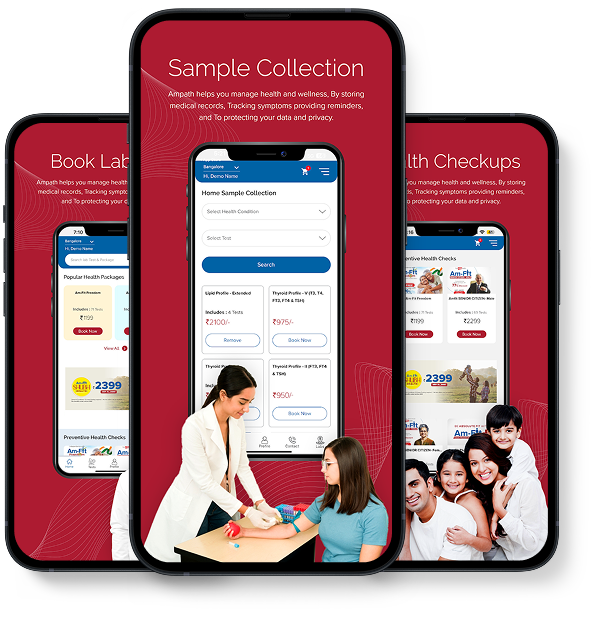
Book lab tests, access reports instantly, and get seamless home sample collection with advanced technology.
Trusted by millions, Ampath Labs ensures accurate diagnostics, convenience, and care at your fingertips.



 Select Location



 Get 15% OFF on 1st order above ₹100 Use code:



































































.jpg)