
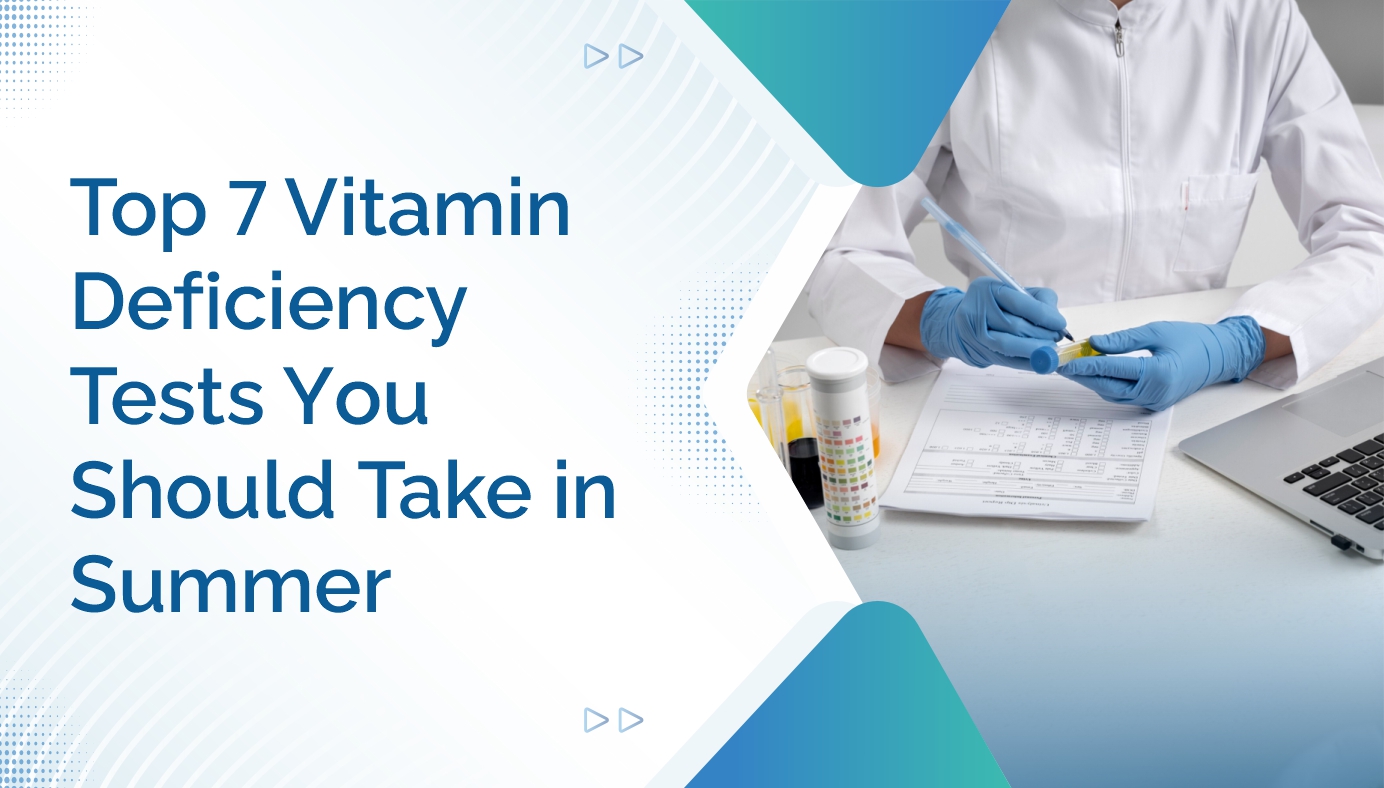


Summer brings sunshine, outdoor activities, and longer days. While it’s often associated with better health due to increased sunlight and fresh seasonal foods, many people still experience hidden nutrient deficiencies during this time. Excessive sweating, dehydration, irregular eating habits, and increased sun exposure can deplete essential vitamins and minerals in the body. These deficiencies can lead to fatigue, weak immunity, muscle cramps, hair fall, and other health issues.
Regular health checkups and targeted blood tests can help detect these deficiencies early and ensure your body stays balanced throughout the hot months.
1. Vitamin D Test (25-Hydroxyvitamin D)
It seems counterintuitive, but Vitamin D deficiency is remarkably common during summer. Many people spend time outdoors wearing sunscreen or protective clothing, which limits the skin's ability to synthesize Vitamin D from UV exposure. Indoor lifestyles and air conditioning further reduce sun contact.
A 25-hydroxyvitamin D blood test measures your current Vitamin D levels and determines whether you fall within the optimal range. Deficiency is associated with fatigue, muscle weakness, bone pain, and a weakened immune system.
Who should get tested: Anyone experiencing unexplained fatigue, frequent infections, or muscle aches as well as individuals with limited sun exposure.
2. Vitamin B12 Test
Vitamin B12 plays a critical role in red blood cell formation, nerve function, and DNA synthesis. The body cannot produce it on its own, making adequate dietary intake essential. During summer, increased physical activity and higher metabolic demands can accelerate B12 depletion, particularly in vegetarians, vegans, and older adults.
A serum B12 blood test accurately measures levels in the bloodstream. Deficiency symptoms include fatigue, tingling in the hands and feet, memory difficulties, and mood disturbances.
Who should get tested: Vegetarians, vegans, individuals over 50, and those with digestive conditions like Crohn's disease or celiac disease.
3. Iron and Ferritin Test
Iron deficiency is one of the most prevalent nutritional deficiencies globally, and summer heat can make it worse. Excessive sweating causes the body to lose iron through perspiration. Combined with a diet low in red meat or iron-rich plant foods, this can quickly tip levels into a deficient range.
A serum ferritin test measures iron stores in the body and is considered more accurate than a basic iron test alone. Low ferritin often appears before other blood markers shift, making it an effective early-detection tool. Symptoms include fatigue, pale skin, shortness of breath, and poor concentration.
Who should get tested: Women of reproductive age, endurance athletes, frequent blood donors, and those following plant-based diets.
4. Vitamin C Test (Ascorbic Acid)
Vitamin C supports immune function, collagen production, and wound healing. While summer diets often include fresh fruits and vegetables, excessive heat can degrade Vitamin C content in food before it even reaches your plate. Alcohol consumption which tends to increase during social summer months also depletes Vitamin C stores.
A plasma ascorbic acid test measures circulating Vitamin C levels. Deficiency can lead to slow wound healing, easy bruising, fatigue, and joint pain. Severe, prolonged deficiency results in scurvy a condition that remains more common than most people realize.
Who should get tested: Smokers, individuals with limited fruit and vegetable intake, and those with inflammatory conditions.
5. Magnesium Test
Magnesium is involved in over 300 enzymatic processes in the body, including muscle function, energy production, and sleep regulation. Summer heat and intense physical activity cause significant magnesium loss through sweat, placing active individuals at particular risk.
A serum magnesium test measures blood magnesium concentration. Because magnesium is stored primarily in bones and cells, blood levels may appear normal even when total body stores are depleted making it worth discussing with your doctor whether a more comprehensive evaluation is appropriate. Deficiency symptoms include muscle cramps, insomnia, headaches, and anxiety.
Who should get tested: Athletes, individuals with high stress levels, those with type 2 diabetes, and people with gastrointestinal disorders.
6. Vitamin A Test (Retinol)
Vitamin A supports vision, immune defense, and skin health. While severe Vitamin A deficiency is rare in developed countries, suboptimal levels are more common especially during summer when prolonged sun exposure increases oxidative stress, which accelerates Vitamin A consumption in the body.
A serum retinol test measures circulating Vitamin A levels. Symptoms of deficiency include night blindness, dry skin, increased susceptibility to infections, and delayed wound healing.
Who should get tested: Individuals with fat malabsorption conditions (such as cystic fibrosis or Crohn's disease), those with low dietary intake of liver, dairy, and orange or yellow vegetables, and people experiencing recurring skin or eye issues.
7. Vitamin B9 (Folate) Test
Folate, also known as Vitamin B9, is essential for cell division, DNA repair, and red blood cell production. Heat destroys folate in food cooking and prolonged storage at high temperatures significantly reduce folate content in vegetables. As a result, even people who eat a reasonably balanced diet may see their folate levels dip during summer months.
A serum or red blood cell folate test identifies deficiency accurately. Low folate levels are linked to megaloblastic anemia, fatigue, mouth sores, and cognitive decline. For pregnant women, adequate folate intake is critical to preventing neural tube defects in the developing fetus.
Who should get tested: Pregnant women or those planning to conceive, individuals with alcohol use disorder, people with malabsorption conditions, and those on certain medications like methotrexate.
How to Prepare for Vitamin Deficiency Tests
Most vitamin deficiency tests require a simple blood draw and minimal preparation. Some tests particularly iron and Vitamin B12 may require fasting for 8–12 hours beforehand. Always confirm preparation requirements with your diagnostic center prior to your appointment.
Results are typically available within 24–72 hours and should be reviewed with a qualified healthcare professional who can recommend appropriate dietary changes or supplementation based on your individual results.
Conclusion
Summer may seem like a season of vitality, but hidden nutrient deficiencies can quietly affect your health and energy levels. Regular testing for essential vitamins and minerals can help you stay proactive about your well-being.
The top vitamin deficiency tests to consider in summer include Vitamin D, Vitamin B12, Iron (Ferritin), Folate, Vitamin C, Magnesium, and Calcium tests. These tests provide valuable insights into your nutritional status and help prevent complications caused by deficiencies.
Food-related reactions are often lumped together under a single umbrella, but food...
17-09-2026
For decades, cholesterol testing has been the cornerstone of cardiovascular risk...
17-09-2026
Chronic fatigue syndrome (chronic fatigue syndrome), also known as myalgic encephalomyelitis...
17-09-2026
Book lab tests, access reports instantly, and get seamless home sample collection with advanced technology.
Trusted by millions, Ampath Labs ensures accurate diagnostics, convenience, and care at your fingertips.



 Select Location



 Get 15% OFF on 1st order above ₹100 Use code:



































































.jpg)