


Most people only visit a doctor when something feels wrong. By then, however, a condition may have already progressed beyond its earliest and most treatable stage. Annual blood tests change that equation entirely. They give you a clear, data-driven picture of your health before symptoms appear, empowering you and your doctor to act early.
Why Annual Blood Tests Matter
Chronic diseases like diabetes, heart disease, and thyroid disorders rarely announce themselves with obvious symptoms in their early stages. Regular blood work catches these conditions early, when lifestyle changes or treatment can make the greatest difference. Think of it as routine maintenance not a reaction to a problem, but a proactive step toward preventing one.
The 10 Blood Tests You Should Schedule Every Year
1. Complete Blood Count (CBC)
The CBC is one of the most comprehensive and commonly ordered blood tests. It measures red blood cells, white blood cells, hemoglobin, hematocrit, and platelets. Abnormal values can indicate anemia, infection, clotting disorders, and even certain cancers. Because it covers so much ground, it is typically the first test ordered during any annual health check.
2. Comprehensive Metabolic Panel (CMP)
The CMP assesses 14 different substances in the blood, including glucose, calcium, sodium, potassium, and proteins. It also evaluates kidney and liver function through markers like creatinine, blood urea nitrogen (BUN), and liver enzymes. This panel provides a broad overview of your body's chemical balance and the health of your major organs.
3. Fasting Blood Glucose
Elevated blood sugar is one of the earliest indicators of prediabetes and type 2 diabetes conditions that affect hundreds of millions of people worldwide. A fasting blood glucose test measures your blood sugar after at least eight hours without eating. Catching elevated glucose levels early allows for dietary and lifestyle interventions that can prevent or significantly delay the progression to full diabetes.
4. HbA1c (Glycated Hemoglobin)
While fasting blood glucose offers a snapshot of your sugar levels at a single point in time, the HbA1c test reflects your average blood sugar over the past two to three months. It is an essential complement to fasting glucose testing, particularly for anyone with risk factors for diabetes such as obesity, a sedentary lifestyle, or a family history of the disease.
5. Lipid Panel
A lipid panel measures total cholesterol, LDL ("bad") cholesterol, HDL ("good") cholesterol, and triglycerides. High LDL and triglyceride levels, combined with low HDL, significantly increase the risk of cardiovascular disease and stroke. Knowing your lipid profile allows you and your doctor to make targeted dietary, exercise, and medication decisions to protect your heart.
6. Thyroid-Stimulating Hormone (TSH)
The thyroid gland regulates metabolism, energy levels, mood, and body temperature. A TSH test measures how hard the pituitary gland is working to stimulate the thyroid—an indirect but reliable indicator of thyroid function. Both hypothyroidism (underactive thyroid) and hyperthyroidism (overactive thyroid) are common and highly treatable when caught early.
7. Vitamin D (25-Hydroxyvitamin D)
Vitamin D deficiency is remarkably common, particularly among people who spend limited time outdoors or live in regions with little sunlight. Low vitamin D levels are linked to weakened bones, poor immune function, fatigue, and an increased risk of several chronic diseases. A simple blood test can confirm your levels and determine whether supplementation is necessary.
8. Iron Studies
Iron deficiency is the most common nutritional deficiency globally, and it can lead to anemia, fatigue, impaired concentration, and weakened immunity. Iron studies typically measure serum iron, ferritin (stored iron), and transferrin saturation. These markers together provide a complete picture of your iron status, helping identify both deficiency and excess, which can be equally harmful.
9. C-Reactive Protein (CRP)
CRP is a protein produced by the liver in response to inflammation. Elevated CRP levels signal that inflammation is present somewhere in the body—a finding associated with cardiovascular disease, autoimmune conditions, and infection. The high-sensitivity CRP (hs-CRP) test is particularly useful for assessing cardiovascular risk, even in individuals who appear otherwise healthy.
10. Vitamin B12 and Folate
Both vitamin B12 and folate are essential for red blood cell production, neurological function, and DNA synthesis. Deficiencies in either nutrient can cause anemia, nerve damage, cognitive decline, and fatigue. Vegetarians, vegans, older adults, and anyone taking long-term metformin are at elevated risk and should prioritize this test annually.
How to Prepare for Your Annual Blood Work
Most blood tests require fasting for 8 to 12 hours beforehand. Plan your appointment for the morning, drink plenty of water, and avoid alcohol for at least 24 hours before testing. Inform your doctor of any medications or supplements you take, as some can affect test results.
Once your results are available, review them with your healthcare provider rather than interpreting them in isolation. Reference ranges can vary between laboratories, and individual context always matters.
Conclusion
Annual blood tests are one of the most straightforward investments you can make in your long-term health. They remove guesswork, provide measurable data, and create a baseline that your doctor can track and compare year over year.
Schedule your next blood panel, review your results with your healthcare provider, and use what you learn to make informed decisions about your lifestyle and care. Proactive health management is not complicated—it starts with the right information.

Food-related reactions are often lumped together under a single umbrella, but food...
17-09-2026
For decades, cholesterol testing has been the cornerstone of cardiovascular risk...
17-09-2026

Chronic fatigue syndrome (chronic fatigue syndrome), also known as myalgic encephalomyelitis...
17-09-2026
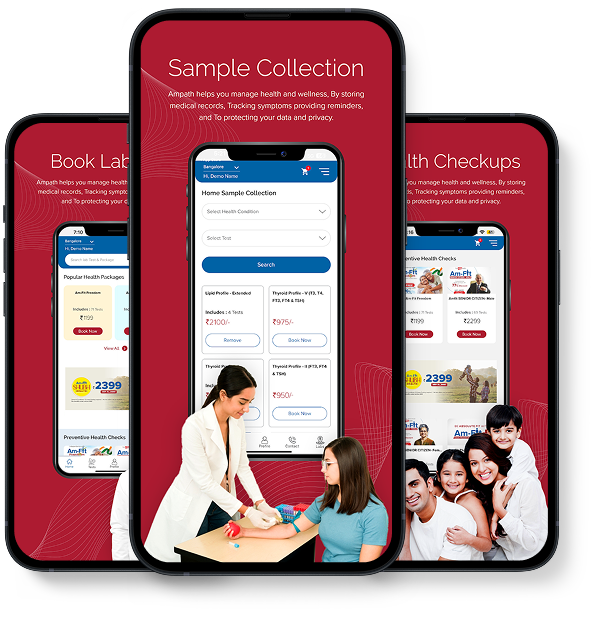
Book lab tests, access reports instantly, and get seamless home sample collection with advanced technology.
Trusted by millions, Ampath Labs ensures accurate diagnostics, convenience, and care at your fingertips.



 Select Location



 Get 15% OFF on 1st order above ₹100 Use code:



































































.jpg)