
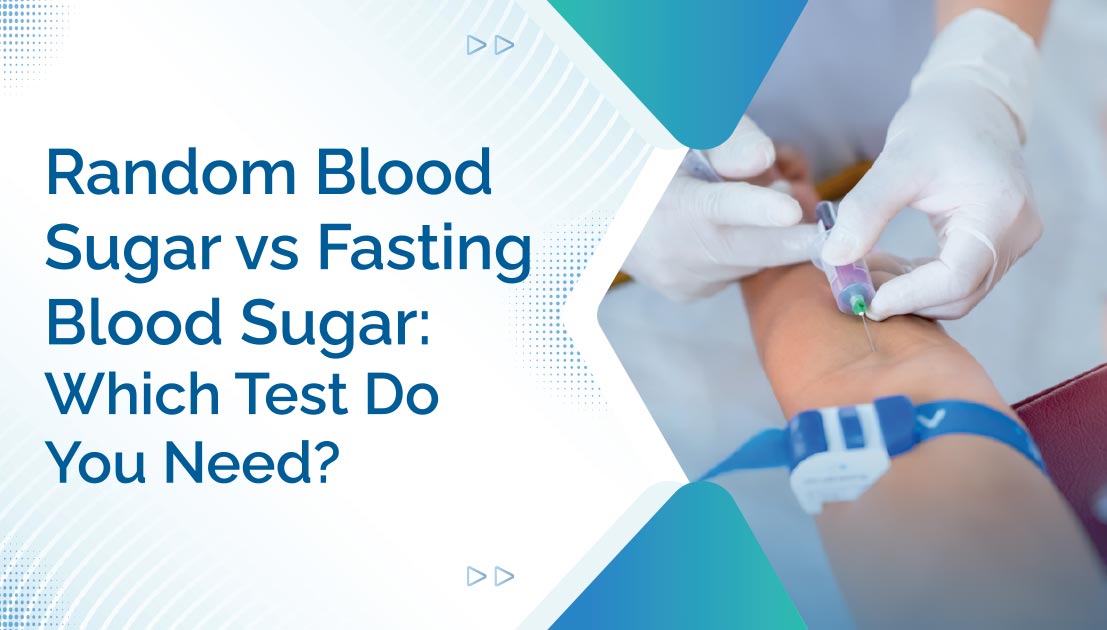


Blood sugar testing plays an important role in identifying diabetes, monitoring blood glucose levels, and evaluating how effectively the body manages sugar. Among the most prescribed tests are the Random Blood Sugar (RBS) test and the Fasting Blood Sugar (FBS) test. Although both measure blood glucose levels, they serve different purposes and are performed under different conditions.
Many people wonder whether they should undergo a random blood sugar test or a fasting blood sugar test. The answer depends on your symptoms, medical history, and the purpose of testing. Understanding the differences between these tests can help you prepare correctly and interpret your results more accurately.
What Is Blood Sugar?
Blood sugar, also known as blood glucose, is the primary source of energy for the body's cells. Glucose comes from the food you eat and is regulated by insulin, a hormone produced by the pancreas.
Healthy blood sugar levels allow organs and tissues to function properly. However, when glucose remains consistently high or low, it can affect multiple body systems and increase the risk of complications.
Blood sugar testing helps identify:
What Is a Random Blood Sugar (RBS) Test?
A Random Blood Sugar test measures your blood glucose level at any time during the day, regardless of when you last ate. There is no need to fast before the test.
Doctors often recommend this test when immediate information about blood sugar levels is needed, especially if a person is experiencing symptoms of diabetes.
Common Reasons for an RBS Test
Since the test is performed without fasting, the results can vary depending on recent meals.
What Is a Fasting Blood Sugar (FBS) Test?
A Fasting Blood Sugar test measures blood glucose after fasting for at least 8 to 12 hours. During the fasting period, only water is allowed.
Because food does not influence the result, this test provides a baseline measurement of blood sugar and is widely used to diagnose diabetes and prediabetes.
Why Doctors Recommend an FBS Test
Fasting blood sugar is considered one of the most reliable initial screening tests for diabetes.
Key Difference Between Random Blood Sugar and Fasting Blood Sugar
| Feature | Random Blood Sugar (RBS) | Fasting Blood Sugar (FBS) |
|---|---|---|
| Fasting Required | No | Yes (8–12 hours) |
| Timing | Anytime during the day | Morning after overnight fasting |
| Influenced by Meals | Yes | No |
| Purpose | Quick assessment | Accurate diabetes screening |
| Used in Emergencies | Yes | No |
| Diagnostic Accuracy | Moderate | Higher |
When Is a Random Blood Sugar Test Recommended?
Doctors usually suggest an RBS test when immediate blood sugar information is required.
Examples include:
Presence of Diabetes Symptoms
If someone experiences:
an RBS test can quickly indicate whether blood sugar levels are abnormally high.
During Hospital Visits
Hospitalized patients often undergo random blood sugar testing because waiting for fasting is impractical.
Diabetes Monitoring
People already diagnosed with diabetes frequently monitor random blood sugar levels throughout the day to understand how meals, medications, and physical activity affect glucose.
Pregnancy
Pregnant women may undergo random blood sugar testing before additional diagnostic tests if gestational diabetes is suspected.
When Is a Fasting Blood Sugar Test Recommended?
Fasting blood sugar is generally preferred when diagnosing diabetes or evaluating long-term glucose regulation.
Doctors recommend it for:
Annual Preventive Health Checkups
Routine fasting blood sugar testing helps detect diabetes before symptoms develop.
High-Risk Individuals
People with increased diabetes risk include:
Monitoring Prediabetes
Individuals diagnosed with prediabetes often undergo periodic fasting blood sugar tests to monitor disease progression.
Evaluating Treatment
Doctors also use fasting blood sugar levels to assess whether diabetes medications are effectively controlling glucose.
Normal Blood Sugar Levels
Random Blood Sugar
| Result | Blood Sugar Level |
|---|---|
| Normal | Less than 140 mg/dL |
| Possible Diabetes | 200 mg/dL or higher (along with symptoms) |
Fasting Blood Sugar
| Result | Blood Sugar Level |
|---|---|
| Normal | Below 100 mg/dL |
| Prediabetes | 100–125 mg/dL |
| Diabetes | 126 mg/dL or higher (confirmed on repeat testing) |
Interpretation should always be done by a healthcare professional, considering symptoms and additional laboratory tests.
Which Test Is More Accurate?
For diagnosing diabetes, fasting blood sugar is generally more accurate because food intake does not influence the results.
Random blood sugar is valuable for identifying significantly elevated glucose levels, but mild abnormalities may require confirmation with fasting blood sugar or other tests.
Many healthcare providers combine multiple tests before confirming a diagnosis.
Advantages of Random Blood Sugar Testing
Random blood sugar testing offers several practical benefits.
No Preparation Needed
There is no need to skip meals or schedule an early morning appointment.
Faster Diagnosis
Doctors can obtain immediate information when symptoms appear suddenly.
Convenient
The test can be performed during any clinic visit.
Useful for Monitoring
People with diabetes often use random glucose measurements to understand daily blood sugar fluctuations.
Advantages of Fasting Blood Sugar Testing
Fasting blood sugar provides several diagnostic advantages.
Higher Accuracy
Food intake does not affect the result.
Better Baseline Measurement
It reflects the body's ability to regulate glucose after prolonged fasting.
Reliable Screening Tool
It helps detect diabetes before symptoms develop.
Easy Comparison
Healthcare providers can compare fasting values over time to evaluate disease progression.
Limitations of Random Blood Sugar Testing
Although convenient, RBS has certain limitations.
Because of these factors, doctors often recommend follow-up testing.
Limitations of Fasting Blood Sugar Testing
Fasting blood sugar also has limitations.
How to Prepare for Each Test
Preparing for a Random Blood Sugar Test
Preparation is minimal.
Preparing for a Fasting Blood Sugar Test
Proper preparation improves accuracy.
Factors That Can Affect Blood Sugar Test Results
Several factors may influence glucose levels.
Recent Meals
Carbohydrate-rich foods temporarily increase blood sugar.
Stress
Physical or emotional stress triggers hormones that can raise glucose levels.
Illness
Infections and fever often increase blood sugar even in people without diabetes.
Medications
Certain medications may affect glucose levels, including:
Physical Activity
Exercise usually lowers blood sugar, although intense exercise may temporarily raise it.
Can One Test Replace the Other?
Not always.
Random blood sugar and fasting blood sugar provide different clinical information.
For example:
Using multiple tests provides a clearer picture of blood sugar control.
Other Blood Sugar Tests
Doctors may order additional investigations alongside RBS and FBS.
HbA1c Test
This measures average blood sugar levels over approximately three months and is commonly used for diagnosing and monitoring diabetes.
Oral Glucose Tolerance Test (OGTT)
This evaluates how efficiently the body processes glucose after consuming a glucose-rich drink. It is often recommended for diagnosing gestational diabetes.
Postprandial Blood Sugar (PPBS)
This test measures blood sugar two hours after eating and helps assess how the body handles glucose following meals.
Who Should Get Regular Blood Sugar Testing?
Routine blood sugar testing is recommended for:
Regular screening helps identify abnormal blood sugar levels before complications develop.
Lifestyle Habits That Support Healthy Blood Sugar
Whether your blood sugar is normal or elevated, healthy habits can support better glucose control.
These include:
Small, consistent lifestyle changes often have a significant impact on long-term blood sugar management.
Conclusion
Random Blood Sugar and Fasting Blood Sugar tests are both valuable tools for assessing blood glucose levels, but they are designed for different clinical situations. A random blood sugar test offers quick information without requiring fasting, making it useful for evaluating symptoms or monitoring diabetes. A fasting blood sugar test provides a more standardized measurement and is widely used for diagnosing diabetes and prediabetes during routine health evaluations.
Food-related reactions are often lumped together under a single umbrella, but food...
17-09-2026
For decades, cholesterol testing has been the cornerstone of cardiovascular risk...
17-09-2026
Chronic fatigue syndrome (chronic fatigue syndrome), also known as myalgic encephalomyelitis...
17-09-2026
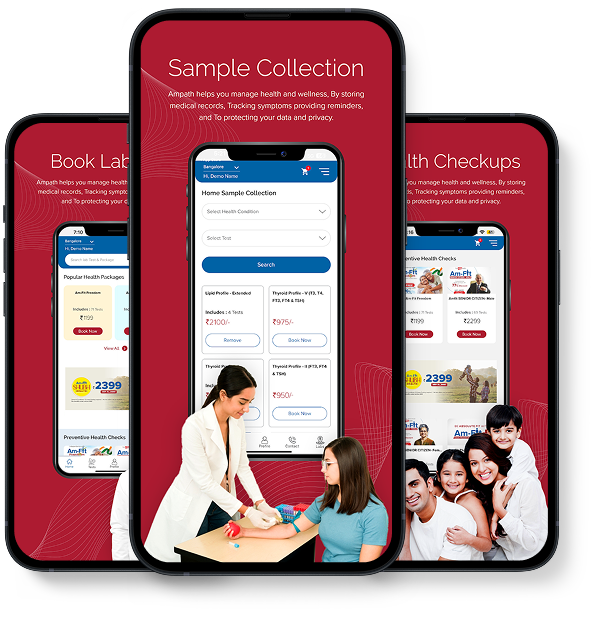
Book lab tests, access reports instantly, and get seamless home sample collection with advanced technology.
Trusted by millions, Ampath Labs ensures accurate diagnostics, convenience, and care at your fingertips.



 Select Location



 Get 15% OFF on 1st order above ₹100 Use code:


































































.jpg)