
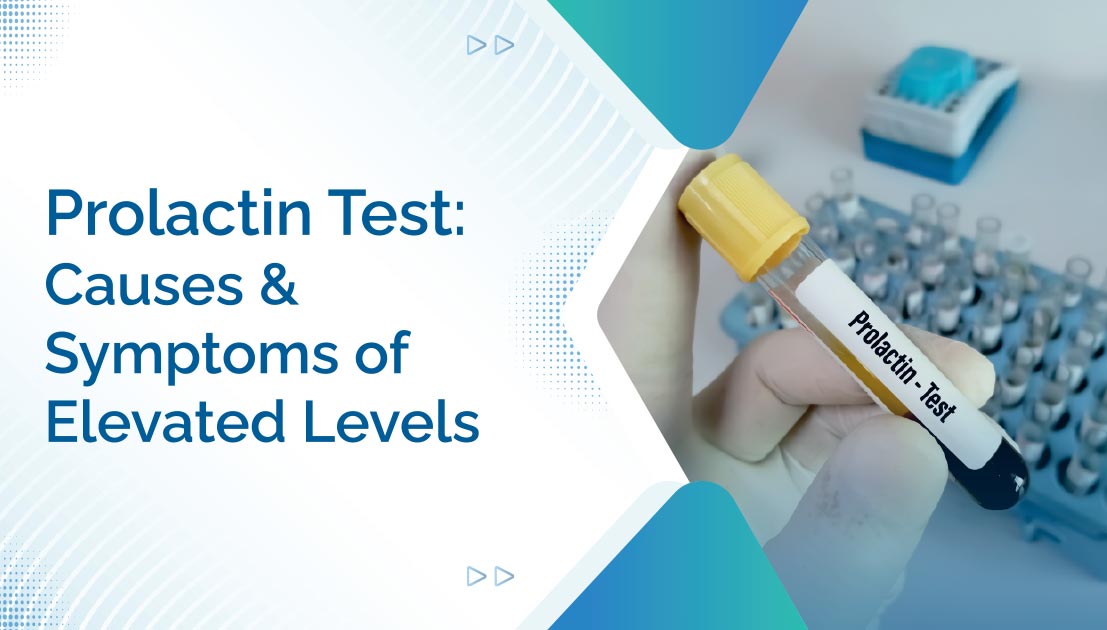


Hormones regulate almost every major function in the body, from growth and metabolism to reproduction and emotional well-being. Among these hormones, prolactin plays a significant role in reproductive health for both women and men. Although it is commonly associated with breastfeeding, prolactin also influences fertility, menstrual cycles, sexual health, and hormone balance.
A prolactin test measures the amount of prolactin hormone in the blood. Elevated prolactin levels, medically known as hyperprolactinemia, can interfere with normal body functions and may indicate an underlying health condition that requires medical attention.
What Is Prolactin?
Prolactin is a hormone produced primarily by the pituitary gland, a small gland located at the base of the brain. Its primary function is to stimulate breast development and milk production after childbirth. However, prolactin has several additional functions, including:
Normally, prolactin levels increase during pregnancy and breastfeeding. In people who are not pregnant or breastfeeding, prolactin levels remain relatively low.
What Is a Prolactin Test?
A prolactin test is a blood test that measures the concentration of prolactin in the bloodstream. Doctors recommend this test when symptoms suggest abnormal hormone production or when investigating fertility and reproductive issues.
The test helps diagnose:
The prolactin test is often performed alongside other hormone tests for a more complete evaluation.
Why Is a Prolactin Test Important?
Since prolactin directly affects reproductive hormones such as estrogen and testosterone, abnormal levels can lead to various health issues.
Testing prolactin levels helps healthcare providers:
Early diagnosis allows timely treatment and may help prevent long-term complications.
Who Should Consider a Prolactin Test?
Your doctor may recommend a prolactin test if you experience symptoms suggesting elevated prolactin levels.
Women may require testing if they have:
Men may need the test if they experience:
Children and adolescents may also undergo prolactin testing if hormone-related developmental abnormalities are suspected.
Common Causes of Elevated Prolactin Levels
High prolactin levels may result from normal physiological conditions or underlying medical disorders.
1. Pregnancy and Breastfeeding
This is the most common and natural reason for elevated prolactin. During pregnancy, prolactin increases significantly to prepare the breasts for milk production.
Levels remain elevated throughout breastfeeding.
2. Pituitary Tumors (Prolactinomas)
A prolactinoma is a benign (non-cancerous) tumor of the pituitary gland that produces excessive prolactin.
Symptoms may include:
Prolactinomas are among the most common causes of persistently elevated prolactin.
3. Hypothyroidism
An underactive thyroid gland can stimulate increased prolactin production.
Symptoms may include:
Treating hypothyroidism often restores prolactin levels to normal.
4. Certain Medications
Several medications can increase prolactin levels.
Examples include:
Doctors consider medication history before interpreting prolactin test results.
5. Stress
Physical and emotional stress may temporarily increase prolactin production.
Examples include:
Stress-related elevations are usually temporary.
6. Chest Wall Injury
Trauma, burns, surgery, or shingles affecting the chest wall can stimulate prolactin release through nerve pathways.
7. Kidney Disease
Chronic kidney disease may reduce the body's ability to remove prolactin from the bloodstream, resulting in elevated levels.
8. Liver Disease
The liver helps metabolize various hormones. Liver disorders may contribute to abnormal prolactin concentrations.
9. Polycystic Ovary Syndrome (PCOS)
Some women with PCOS have mildly elevated prolactin levels along with irregular menstrual cycles and fertility problems.
10. Other Pituitary Disorders
Conditions affecting the pituitary gland or hypothalamus may interfere with hormone regulation and increase prolactin secretion.
Symptoms of Elevated Prolactin Levels
Symptoms vary depending on age, sex, hormone levels, and the underlying cause.
Symptoms in Women
Women often notice symptoms earlier because prolactin affects menstrual function.
Common symptoms include:
Symptoms in Men
High prolactin may suppress testosterone production.
Symptoms include:
Symptoms Caused by Pituitary Tumors
If elevated prolactin results from a pituitary tumor, additional symptoms may occur due to pressure on nearby structures.
These include:
Large tumors require prompt medical evaluation.
What Happens During a Prolactin Test?
The prolactin test is a simple blood test.
The procedure includes:
1. A healthcare professional cleans the skin.
2. A small needle is inserted into a vein.
3. Blood is collected into a sample tube.
4. The sample is sent to a laboratory.
5. Results are usually available within one day.
The procedure takes only a few minutes.
Do You Need to Prepare for the Test?
Your doctor may recommend certain precautions before testing because prolactin levels naturally fluctuate throughout the day.
Preparation may include:
Following these recommendations helps improve test accuracy.
What Do Prolactin Test Results Mean?
The interpretation depends on age, sex, pregnancy status, and laboratory reference ranges.
Normal Levels
Normal prolactin levels indicate that the pituitary gland is functioning appropriately.
Mildly Elevated Levels
Slight elevations may result from:
Doctors may repeat the test before making a diagnosis.
Moderately Elevated Levels
Moderate elevations may suggest:
Additional hormone tests are often recommended.
Very High Levels
Markedly elevated prolactin levels often suggest:
Brain imaging, usually an MRI of the pituitary gland, may be required.
Additional Tests That May Be Recommended
Depending on your symptoms and prolactin levels, your doctor may order:
These investigations help identify the underlying cause.
Treatment for Elevated Prolactin Levels
Treatment focuses on correcting the underlying condition.
Medication Adjustment
If medications are responsible, your doctor may:
Patients should never stop prescribed medication without medical advice.
Treating Hypothyroidism
Thyroid hormone replacement therapy often brings prolactin levels back to normal.
Dopamine Agonist Medicines
For prolactinomas, doctors commonly prescribe medications such as dopamine agonists that reduce prolactin production and shrink the tumor.
These medications are effective for most patients.
Surgery
Surgery may be considered if:
Radiation Therapy
Radiation is rarely needed but may be considered for tumors that do not respond to medication or surgery.
Can Elevated Prolactin Affect Fertility?
Yes.
High prolactin interferes with reproductive hormones and may prevent normal ovulation in women.
In men, elevated prolactin can lower testosterone levels and reduce sperm production.
After successful treatment, fertility often improves significantly.
Can Lifestyle Changes Help?
Lifestyle changes alone may not correct medical causes of elevated prolactin, but they can support overall hormone balance.
Helpful habits include:
When Should You Consult a Doctor?
Medical evaluation is recommended if you experience:
Prompt evaluation helps identify the cause before complications develop.
Conclusion
A prolactin test is an important diagnostic tool for evaluating hormone-related symptoms, fertility concerns, menstrual irregularities, and pituitary gland disorders. While elevated prolactin levels are normal during pregnancy and breastfeeding, persistent high levels outside these situations may indicate an underlying medical condition such as a prolactinoma, hypothyroidism, medication effects, or kidney disease.
Recognizing symptoms such as irregular periods, unexplained breast milk production, infertility, headaches, reduced libido, or erectile dysfunction allows for timely medical evaluation. Since treatment depends on the underlying cause, proper diagnosis through blood tests and, when necessary, additional investigations helps restore hormonal balance and improve overall health. Regular follow-up with a healthcare provider ensures effective management and reduces the risk of long-term complications.

Food-related reactions are often lumped together under a single umbrella, but food...
17-09-2026

For decades, cholesterol testing has been the cornerstone of cardiovascular risk...
17-09-2026

Chronic fatigue syndrome (chronic fatigue syndrome), also known as myalgic encephalomyelitis...
17-09-2026
Book lab tests, access reports instantly, and get seamless home sample collection with advanced technology.
Trusted by millions, Ampath Labs ensures accurate diagnostics, convenience, and care at your fingertips.



 Select Location



 Get 15% OFF on 1st order above ₹100 Use code:



































































.jpg)