
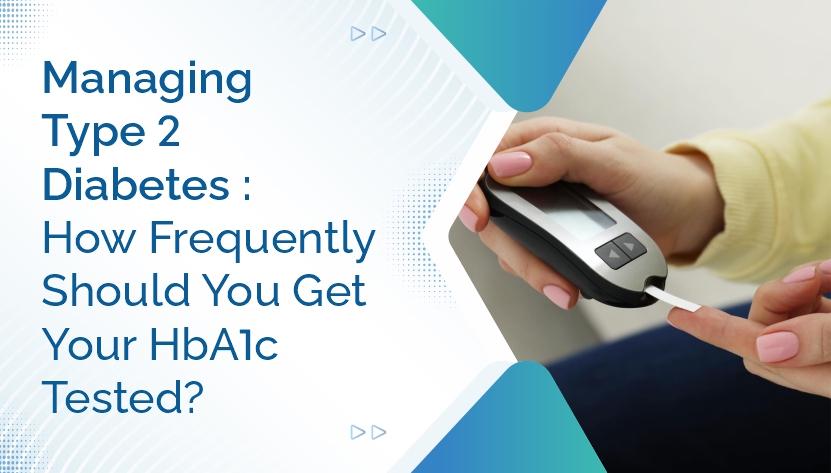


Living with Type 2 diabetes requires continuous monitoring and management to maintain healthy blood sugar levels and reduce the risk of complications. While daily glucose checks provide valuable information about short-term blood sugar fluctuations, the HbA1c test offers a broader picture of how well diabetes has been controlled over the past two to three months.
One of the most common questions among people with diabetes is: How often should you get your HbA1c tested? The answer depends on several factors, including your current blood sugar control, treatment plan, and overall health condition.
What Is the HbA1c Test?
HbA1c, also known as glycated hemoglobin or A1c, is a blood test that measures the percentage of hemoglobin in your red blood cells that has glucose attached to it.
Since red blood cells live for approximately 120 days, the HbA1c test reflects your average blood sugar levels over the previous 8–12 weeks.
Unlike a fasting blood sugar test, HbA1c does not require fasting and provides a long-term view of blood glucose control.
Understanding HbA1c Values
| HbA1c Level | Interpretation |
|---|---|
| Below 5.7% | Normal |
| 5.7%–6.4% | Prediabetes |
| 6.5% or higher | Diabetes |
| Below 7% | Generally considered a good target for many adults with diabetes |
However, individual targets may vary based on age, medical history, pregnancy status, and other health conditions.
Why Is HbA1c Important for People with Type 2 Diabetes?
Type 2 diabetes can silently damage blood vessels and nerves over time. Even when symptoms are absent, elevated blood sugar levels may increase the risk of:
Regular HbA1c testing helps healthcare providers assess whether treatment strategies are working and whether adjustments are needed.
Benefits of Regular HbA1c Monitoring
How Often Should You Get Your HbA1c Tested?
The frequency of HbA1c testing depends on your diabetes control and treatment status.
1. Every 3 Months (Most Common Recommendation)
Healthcare professionals generally recommend testing every three months if:
Testing every three months allows doctors to evaluate whether interventions are effective because HbA1c reflects approximately three months of blood sugar history.
2. Every 6 Months
If your diabetes is stable and well controlled, HbA1c testing every six months may be sufficient.
You may qualify for less frequent testing if:
For many adults with controlled Type 2 diabetes, twice-yearly testing provides adequate monitoring.
Recommended HbA1c Testing Schedule
| Situation | Testing Frequency |
|---|---|
| Newly diagnosed diabetes | Every 3 months |
| Poorly controlled diabetes | Every 3 months |
| Medication changes | Every 3 months |
| Insulin therapy initiation | Every 3 months |
| Stable diabetes control | Every 6 months |
| Pregnancy with diabetes | As advised by healthcare provider |
| High-risk complications | More frequent monitoring may be needed |
Factors That Influence Testing Frequency
Several individual factors can affect how often your doctor recommends HbA1c testing.
Age
Older adults may have different treatment goals than younger individuals. Some elderly patients may require more frequent monitoring due to multiple health conditions.
Duration of Diabetes
People who have had diabetes for many years often face a higher risk of complications and may benefit from closer monitoring.
Medication Changes
Starting new medications or adjusting dosages can significantly affect blood sugar control, making follow-up HbA1c testing essential.
Presence of Complications
Patients with:
may require more regular monitoring.
Lifestyle Changes
Major changes in:
What Is the Ideal HbA1c Target?
There is no one-size-fits-all target.
General Targets
| Group | Target HbA1c |
|---|---|
| Most adults with Type 2 diabetes | Below 7% |
| Healthy younger adults | Below 6.5–7% |
| Older adults with multiple illnesses | Below 7.5–8% |
| Frail elderly individuals | Individualized target |
Your doctor will determine the most appropriate target based on your personal health profile.
How HbA1c Differs from Daily Blood Sugar Monitoring
Many people wonder whether daily glucose checks can replace HbA1c testing.
The answer is no.
Daily Glucose Monitoring
Shows:
HbA1c Testing
Shows:
Both tests complement each other and play important roles in diabetes management.
What Happens If HbA1c Levels Remain High?
Persistently elevated HbA1c levels indicate poor blood sugar control.
Potential consequences include:
Cardiovascular Disease
High blood sugar damages blood vessels, increasing the risk of:
Kidney Damage
Diabetes is one of the leading causes of chronic kidney disease and kidney failure.
Nerve Damage
High glucose levels can injure nerves, leading to:
Vision Problems
Elevated HbA1c increases the risk of:
Regular testing helps detect poor control before serious complications develop.
Tips to Improve Your HbA1c Levels
If your HbA1c is above target, several lifestyle and medical strategies can help.
Follow a Balanced Diet
Focus on:
Limit:
Exercise Regularly
Aim for at least 150 minutes of moderate physical activity weekly.
Good options include:
Take Medications as Prescribed
Skipping medications can cause blood sugar levels to rise significantly.
Always follow your healthcare provider's instructions.
Maintain a Healthy Weight
Even a modest weight loss of 5–10% can improve insulin sensitivity and lower HbA1c levels.
Manage Stress
Stress hormones can increase blood sugar levels.
Helpful techniques include:
Monitor Blood Sugar Regularly
Self-monitoring helps identify patterns and allows timely adjustments to diet and activity.
Conditions That Can Affect HbA1c Accuracy
Although HbA1c is a valuable test, certain conditions may affect its accuracy.
Examples include:
In such situations, your doctor may recommend additional tests such as:
The Role of Home Sample Collection for HbA1c Testing
Many diagnostic laboratories now offer home sample collection services.
Benefits include:
Regular testing becomes easier when samples can be collected from the comfort of home.
When Should You Speak to Your Doctor?
Consult your healthcare provider if:
Early intervention can prevent long-term complications and improve overall health outcomes.
Conclusion
HbA1c testing is one of the most important tools for managing Type 2 diabetes. It provides a clear picture of average blood sugar control over the previous two to three months and helps guide treatment decisions.
For most people with Type 2 diabetes, HbA1c testing is recommended every three months when blood sugar levels are not well controlled or when treatment changes occur. Individuals with stable and well-managed diabetes may only need testing every six months.

Food-related reactions are often lumped together under a single umbrella, but food...
17-09-2026

For decades, cholesterol testing has been the cornerstone of cardiovascular risk...
17-09-2026

Chronic fatigue syndrome (chronic fatigue syndrome), also known as myalgic encephalomyelitis...
17-09-2026
Book lab tests, access reports instantly, and get seamless home sample collection with advanced technology.
Trusted by millions, Ampath Labs ensures accurate diagnostics, convenience, and care at your fingertips.




 Select Location



 Get 15% OFF on 1st order above ₹100 Use code:



































































.jpg)