
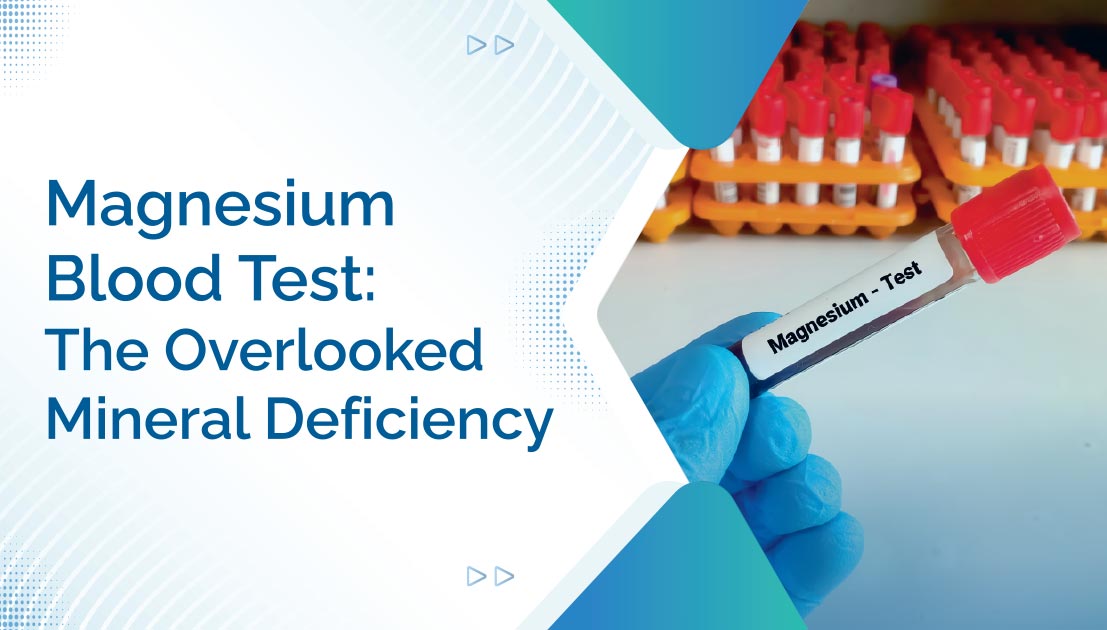


Magnesium is involved in more than three hundred biochemical reactions in the body, yet it rarely gets the attention given to calcium, iron, or Vitamin D. This mineral supports muscle and nerve function, blood sugar regulation, blood pressure control, and bone strength. Because so much magnesium is stored inside cells and bone rather than in the bloodstream, a shortage can quietly build for a long time before it shows up clearly on a standard test.
Understanding what a magnesium blood test measures, and why doctors sometimes miss a deficiency, can help you advocate for the right screening if you experience unexplained muscle cramps, fatigue, or irregular heartbeats.
The Role Magnesium Plays in the Body
Magnesium acts as a cofactor for enzymes that produce energy, build proteins, and regulate the nervous system. It helps muscles contract and relax properly, supports a steady heartbeat, and contributes to strong bones by working alongside calcium and Vitamin D.
This mineral also plays a part in insulin sensitivity and blood sugar control, which is why researchers have examined its connection to type 2 diabetes. Because magnesium is required for such a wide range of functions, even a mild shortage can produce symptoms across multiple body systems at once.
Why Magnesium Deficiency Is Often Overlooked
Less than one percent of the body's magnesium circulates in the blood; the rest is stored in bones, muscles, and soft tissue. This means a standard serum magnesium test can appear normal even when total body stores are depleted, since the body pulls magnesium from its reserves to keep blood levels stable.
As a result, many cases of mild to moderate deficiency go undetected unless a doctor specifically considers the possibility based on symptoms, diet, or risk factors, and orders additional testing such as a red blood cell magnesium level or a magnesium loading test.
Signs and Symptoms to Watch For
In more severe cases, magnesium deficiency can contribute to seizures, muscle contractions, and dangerous changes in heart rhythm. These outcomes are uncommon but underscore why the mineral deserves attention rather than being dismissed as a minor nutritional detail.
Who Is Most at Risk
Certain groups face a higher chance of running low on magnesium. People with gastrointestinal conditions such as Crohn's disease or celiac disease absorb less of the mineral from food. Those with poorly controlled diabetes lose extra magnesium through urine, while heavy alcohol use interferes with both absorption and retention.
Older adults, people taking certain diuretics or proton pump inhibitors long-term, and individuals with chronically low dietary intake of nuts, seeds, whole grains, and leafy greens should also be mindful of their magnesium status.
How the Blood Test Works
A magnesium blood test involves a routine blood draw, usually from a vein in the arm. Fasting is not typically required, though your doctor may combine it with other tests that do need fasting. Results are usually ready within a day.
Because serum levels do not always reflect total body magnesium, your physician may interpret a borderline-normal result in the context of your symptoms and risk factors rather than relying on the number alone. In some cases, a magnesium loading test, which tracks how much magnesium the body retains after an infusion, gives a more accurate picture of deficiency.
What Your Results Mean
Low serum magnesium, known as hypomagnesemia, points toward inadequate intake, poor absorption, or excessive loss through the kidneys or digestive tract. Elevated magnesium is less common and usually relates to kidney impairment or excessive supplement use.
Your doctor will typically look at magnesium alongside calcium, potassium, and kidney function tests, since these minerals often influence one another. A single low reading is rarely treated in isolation without considering the broader clinical picture.
Correcting a Deficiency
Mild magnesium deficiency often responds well to dietary adjustments. Foods such as almonds, cashews, spinach, black beans, whole grains, and dark chocolate are naturally rich sources. Oral magnesium supplements are also widely used, though high doses can cause digestive upset such as diarrhea.
In more severe or symptomatic cases, particularly when heart rhythm is affected, doctors may administer magnesium intravenously under medical supervision. Addressing any underlying cause, such as poorly controlled diabetes or a malabsorption disorder, is equally important for long-term correction.
Conclusion
Magnesium's behind-the-scenes role in muscle function, heart rhythm, and energy production makes it easy to underestimate until something goes wrong. If you experience persistent cramping, fatigue, or heart flutters, and especially if you fall into a higher-risk category, ask your doctor whether a magnesium panel is appropriate. A slightly deeper look than the standard blood test may be needed to catch what a basic serum reading can miss.

Food-related reactions are often lumped together under a single umbrella, but food...
17-09-2026

For decades, cholesterol testing has been the cornerstone of cardiovascular risk...
17-09-2026

Chronic fatigue syndrome (chronic fatigue syndrome), also known as myalgic encephalomyelitis...
17-09-2026
Book lab tests, access reports instantly, and get seamless home sample collection with advanced technology.
Trusted by millions, Ampath Labs ensures accurate diagnostics, convenience, and care at your fingertips.




 Select Location



 Get 15% OFF on 1st order above ₹100 Use code:



































































.jpg)