
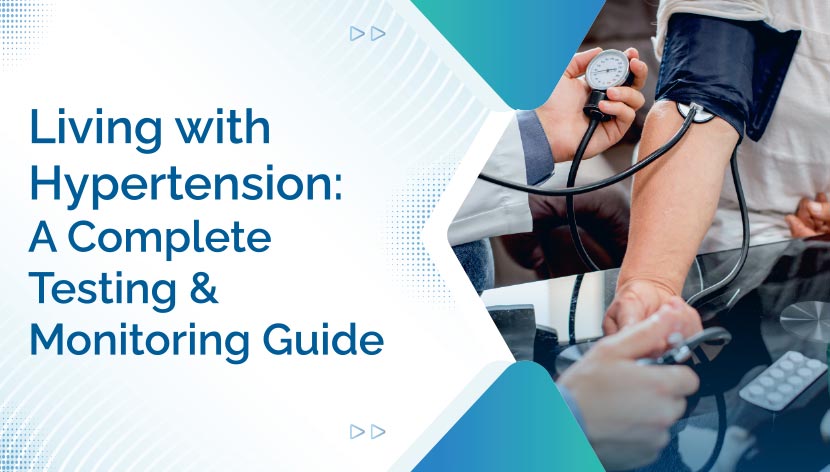


Being diagnosed with hypertension marks the beginning of a long-term health management journey rather than a single event to resolve. Living well with hypertension involves consistent monitoring, regular testing, and lifestyle adjustments that work together to keep blood pressure controlled and protect against complications like heart disease, stroke, and kidney damage.
Understanding Hypertension as a Chronic Condition
Hypertension, or high blood pressure, is typically a lifelong condition that requires ongoing management rather than one-time treatment. Because it often has no symptoms, many people are unaware of the strain it places on their cardiovascular system until complications arise — which is why consistent monitoring is so important.
Setting Up a Monitoring Routine
Home Blood Pressure Monitoring
Investing in a reliable, validated home blood pressure monitor allows for regular tracking outside of clinical settings. Best practices include:
Clinic Visits
Regular visits to your doctor allow for professional assessment, medication review, and additional testing as needed.
Key Tests for Long-Term Hypertension Management
1. Kidney Function Tests (Creatinine, eGFR, BUN)
Hypertension is a leading cause of kidney damage, making regular kidney function monitoring essential.
2. Urine Albumin-to-Creatinine Ratio (UACR)
Detects early kidney damage before it becomes apparent through other tests.
3. Electrolyte Panel
Important for monitoring potential side effects of blood pressure medications, particularly diuretics.
4. Lipid Profile
High blood pressure and high cholesterol often occur together and compound cardiovascular risk.
5. Fasting Blood Sugar and HbA1c
Diabetes and hypertension frequently coexist, and managing both is important for reducing overall cardiovascular risk.
6. ECG and Echocardiogram
Help assess heart function and detect any structural changes resulting from long-term high blood pressure.
7. Eye Examination
Checks for damage to the small blood vessels in the eyes caused by prolonged hypertension.
Recommended Testing Schedule
| Test | Frequency |
|---|---|
| Home blood pressure monitoring | Daily or several times weekly |
| Kidney function and electrolytes | Every 6–12 months |
| Lipid profile | Annually |
| Blood sugar/HbA1c | Annually, or more often if diabetic |
| ECG | As recommended, often annually |
| Eye examination | Annually or as recommended |
Lifestyle Strategies for Managing Hypertension
Recognising Warning Signs
While hypertension itself is often symptomless, certain signs require immediate medical attention:
These could indicate a hypertensive emergency or stroke and require urgent care.
Building a Support System
Living with a chronic condition like hypertension is easier with support:
Conclusion
Living with hypertension requires an ongoing commitment to monitoring, testing, and lifestyle management. By staying consistent with home blood pressure tracking, attending regular checkups, and following through on recommended tests, you can significantly reduce the risk of complications and maintain better long-term health. Partner closely with your healthcare team to build a monitoring routine that works for your lifestyle and health needs.
Frequently Asked Questions
Q1. Can hypertension be cured completely? In most cases, hypertension is managed rather than cured, though lifestyle changes can sometimes reduce the need for medication or help achieve better control.
Q2. How accurate are home blood pressure monitors? Validated, properly calibrated home monitors can be quite accurate, but it’s important to use a device recommended or approved by your doctor and to follow correct measurement technique.
Q3. Is it dangerous to stop blood pressure medication once readings normalise? No, blood pressure often normalises because of the medication itself. Stopping abruptly without medical guidance can cause blood pressure to rise again and increase health risks.
Q4. How does hypertension affect other organs over time? Uncontrolled hypertension can damage the heart, kidneys, eyes, and blood vessels over time, which is why comprehensive monitoring beyond just blood pressure readings is important.

Food-related reactions are often lumped together under a single umbrella, but food...
17-09-2026

For decades, cholesterol testing has been the cornerstone of cardiovascular risk...
17-09-2026
Chronic fatigue syndrome (chronic fatigue syndrome), also known as myalgic encephalomyelitis...
17-09-2026
Book lab tests, access reports instantly, and get seamless home sample collection with advanced technology.
Trusted by millions, Ampath Labs ensures accurate diagnostics, convenience, and care at your fingertips.



 Select Location



 Get 15% OFF on 1st order above ₹100 Use code:



































































.jpg)