
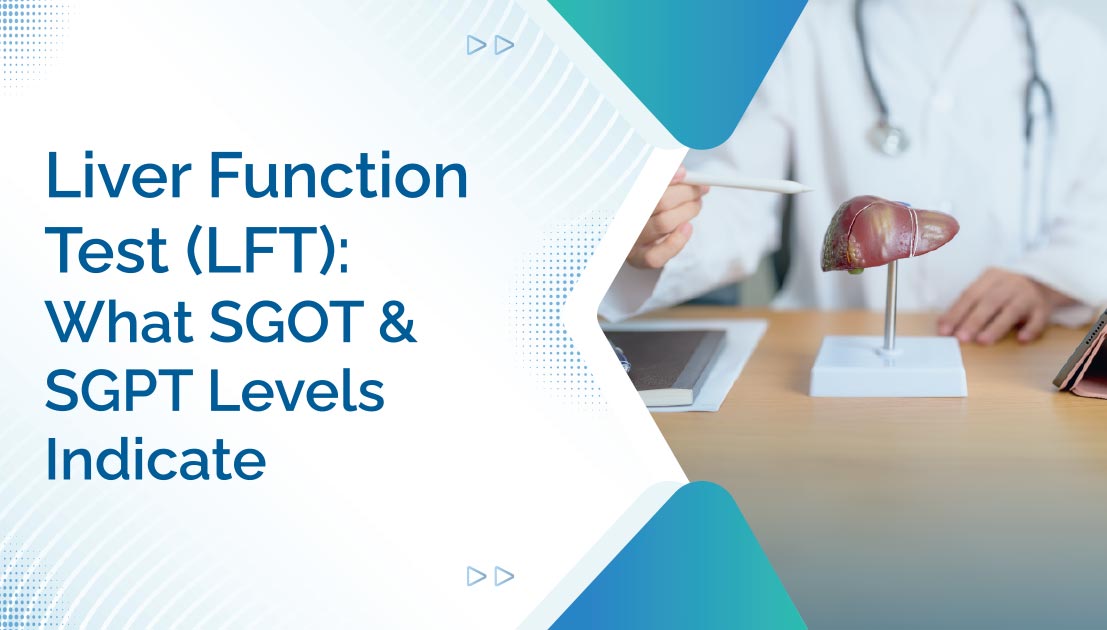


The liver is one of the most vital organs in the body, carrying out hundreds of essential functions every day. It processes nutrients, filters toxins, produces bile for digestion, stores energy, and supports blood clotting. Since the liver often continues to function even when damaged, many liver conditions remain unnoticed until they become more serious. This is why a Liver Function Test (LFT) plays an important role in identifying liver problems at an early stage.
What Is a Liver Function Test (LFT)?
A Liver Function Test is a group of blood tests that evaluates the health and functioning of your liver. Rather than relying on a single value, the test measures several enzymes, proteins, and waste products that together provide an overview of liver health.
An LFT typically includes:
Doctors use these values to detect liver inflammation, monitor chronic liver disease, assess medication-related liver effects, and evaluate recovery after treatment.
What Are SGOT and SGPT?
SGOT and SGPT are enzymes found inside liver cells. Under normal circumstances, only small amounts enter the bloodstream. When liver cells become damaged or inflamed, these enzymes leak into the blood, causing their levels to rise.
SGOT (AST)
SGOT, also known as Aspartate Aminotransferase (AST), is present in:
Because SGOT is found in several organs, an elevated SGOT level does not always indicate liver disease.
SGPT (ALT)
SGPT, also called Alanine Aminotransferase (ALT), is primarily found in liver cells. Since ALT is more specific to the liver, it is considered a better indicator of liver injury.
Doctors often compare both enzyme levels to better understand the possible cause of liver damage.
Normal SGOT and SGPT Levels
Normal values may differ slightly depending on the laboratory, but general reference ranges are:
| Test | Normal Range |
|---|---|
| SGOT (AST) | 10–40 U/L |
| SGPT (ALT) | 7–56 U/L |
A value slightly above the normal range does not always indicate a serious condition. Your doctor considers:
Why Do SGOT and SGPT Increase?
Several conditions can damage liver cells and cause enzyme levels to rise.
Fatty Liver Disease
One of the most common reasons for elevated liver enzymes is fatty liver disease. Excess fat accumulates inside liver cells, leading to inflammation over time.
Risk factors include:
Early-stage fatty liver often causes no symptoms and is detected during routine blood testing.
Viral Hepatitis
Infections caused by Hepatitis A, B, C, D, or E viruses can inflame the liver, resulting in significantly elevated SGOT and SGPT levels.
Symptoms may include:
Alcohol-Related Liver Disease
Excessive alcohol intake damages liver cells gradually. In alcohol-related liver disease:
Continued alcohol use can progress to alcoholic hepatitis and liver cirrhosis.
Medication-Induced Liver Injury
Certain medications may temporarily or permanently affect liver function.
Examples include:
Doctors may recommend regular liver monitoring while taking long-term medications.
Liver Cirrhosis
Cirrhosis develops after years of chronic liver damage. Healthy liver tissue is gradually replaced by scar tissue, reducing the liver's ability to function.
As cirrhosis advances, enzyme levels may become only mildly elevated because fewer healthy liver cells remain.
Autoimmune Liver Disease
In autoimmune hepatitis, the immune system mistakenly attacks liver cells, causing persistent inflammation and elevated SGPT and SGOT levels.
Without treatment, chronic inflammation may lead to liver scarring.
Bile Duct Disorders
Conditions that block bile flow may affect liver enzymes.
Examples include:
These conditions often cause elevated ALP and GGT along with SGOT and SGPT changes.
Can SGOT Increase Without Liver Disease?
Yes. Since SGOT is also found in muscles and the heart, it can rise due to:
This is one reason why doctors usually interpret SGOT together with SGPT and other investigations.
Symptoms Associated with High Liver Enzymes
Many people with elevated SGOT and SGPT experience no symptoms, especially in the early stages.
When symptoms develop, they may include:
Persistent symptoms should be evaluated by a healthcare professional.
How Doctors Interpret SGOT and SGPT Results
The enzyme values alone do not establish a diagnosis.
Doctors consider:
This comprehensive assessment helps identify the underlying cause.
Mild vs Moderate vs Severe Elevation
Mild Elevation
Less than 2–3 times the upper normal limit.
Possible causes:
Moderate Elevation
Three to ten times the normal range.
Possible causes:
Severe Elevation
More than ten times the normal range.
Possible causes:
Higher values require prompt medical evaluation.
Additional Tests That May Be Recommended
Depending on your LFT results, your doctor may advise:
These investigations help determine the exact cause of abnormal liver function.
How to Improve Liver Health
Healthy lifestyle changes can significantly improve liver function, particularly in people with fatty liver disease.
Maintain a Healthy Weight
Gradual weight loss reduces fat accumulation in the liver and improves enzyme levels.
Eat a Balanced Diet
Choose foods rich in:
Limit:
Exercise Regularly
Aim for at least 150 minutes of moderate physical activity each week.
Regular exercise helps reduce liver fat and improves insulin sensitivity.
Avoid Excess Alcohol
Limiting alcohol intake reduces further liver damage and supports recovery.
Take Medicines Responsibly
Use prescription and over-the-counter medications only as advised by your doctor. Avoid unnecessary supplements that may affect the liver.
Stay Vaccinated
Vaccination against Hepatitis A and Hepatitis B can reduce the risk of liver infection in eligible individuals.
When Should You Consult a Doctor?
Medical evaluation is recommended if:
Early medical assessment helps identify reversible causes before permanent liver damage develops.
Conclusion
A Liver Function Test provides valuable information about the health of your liver, with SGOT (AST) and SGPT (ALT) serving as important indicators of liver cell injury. Elevated enzyme levels do not automatically mean severe liver disease, but they should never be ignored. Proper interpretation requires considering your medical history, symptoms, additional blood tests, and imaging findings.
Routine health check-ups, timely investigations, healthy eating habits, regular exercise, limiting alcohol intake, and following your doctor's advice can help protect liver function and reduce the risk of long-term liver complications. If your SGOT or SGPT levels are outside the normal range, seeking medical guidance is the best step toward identifying the cause and receiving appropriate care.

Food-related reactions are often lumped together under a single umbrella, but food...
17-09-2026

For decades, cholesterol testing has been the cornerstone of cardiovascular risk...
17-09-2026

Chronic fatigue syndrome (chronic fatigue syndrome), also known as myalgic encephalomyelitis...
17-09-2026
Book lab tests, access reports instantly, and get seamless home sample collection with advanced technology.
Trusted by millions, Ampath Labs ensures accurate diagnostics, convenience, and care at your fingertips.




 Select Location



 Get 15% OFF on 1st order above ₹100 Use code:



































































.jpg)