
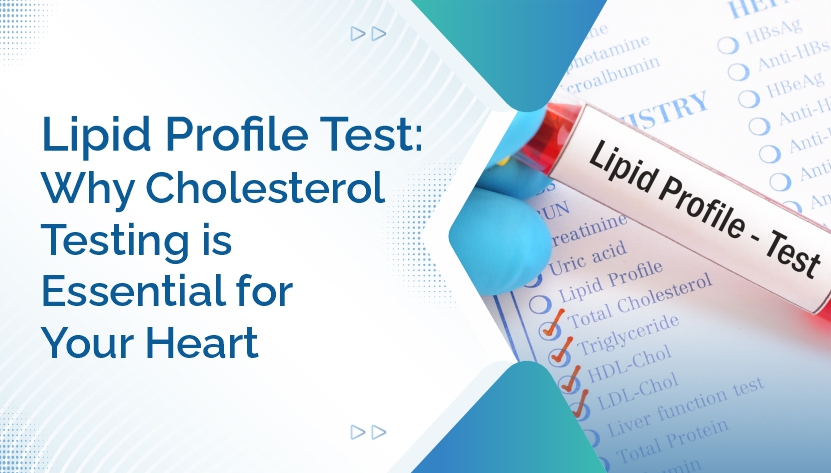


Cholesterol often gets a bad reputation. But the truth is more nuanced your body needs cholesterol to build cells, produce hormones, and support basic functions. The problem starts when certain types of cholesterol accumulate in your bloodstream, quietly increasing your risk of heart disease, stroke, and other serious conditions.
That's where a lipid profile test comes in. This simple blood test gives you a clear picture of your cholesterol levels, helping you and your doctor make informed decisions about your heart health. Whether you've been advised to get one or are simply curious about what it involves, this guide explains everything you need to know.
What Is a Lipid Profile Test?
A lipid profile test also called a lipid panel is a blood test that measures the levels of fats (lipids) circulating in your bloodstream. It provides a breakdown of four key markers:
Together, these numbers offer a comprehensive view of your cardiovascular risk. No single value tells the full story it's the combination that matters.
Why Cholesterol Testing Is Essential
Cardiovascular disease remains one of the leading causes of death globally. What makes it particularly dangerous is that high cholesterol typically produces no symptoms. You can have dangerously elevated LDL levels for years without feeling any different. By the time symptoms appear chest pain, shortness of breath, or worse significant damage may already have occurred.
A lipid profile test gives you early, actionable information. Detecting abnormal cholesterol levels before they cause harm allows for timely interventions, whether through lifestyle changes, medication, or closer monitoring.
Regular cholesterol testing is especially important because risk factors such as diet, weight, physical activity, age, and family history all influence lipid levels and many of these factors shift over time.
Who Should Get a Lipid Profile Test?
While cholesterol testing is beneficial for most adults, certain individuals are at higher risk and should prioritize regular screening:
For most healthy adults, a lipid panel is recommended every four to six years. However, if you have existing risk factors or a history of abnormal results, your doctor may advise more frequent testing.
Children and teenagers are not exempt either. Those with a family history of early heart disease or high cholesterol may benefit from screening as early as age nine.
Understanding Your Results
Receiving your results is only meaningful if you understand what the numbers indicate. Here's a general reference guide:
Total Cholesterol
LDL Cholesterol
HDL Cholesterol
Triglycerides
These ranges serve as general guidelines. Your doctor will interpret your results in the context of your full medical history, age, and other risk factors before recommending any course of action.
How to Prepare for a Lipid Profile Test
Preparation is straightforward. Most lipid panel tests require fasting for nine to twelve hours beforehand, as food and beverages can temporarily alter triglyceride and cholesterol levels. Water is generally permitted during the fasting period.
Inform your doctor about any medications or supplements you are taking, as some can influence lipid levels. On the day of the test, a healthcare professional will draw a small blood sample, typically from a vein in your arm. Results are usually available within 24 to 48 hours.
Managing Abnormal Cholesterol Levels
An abnormal result is not a verdict it's a starting point. There are well-established strategies for bringing cholesterol levels back into a healthy range:
Dietary Changes
Reducing saturated fats (found in red meat and full-fat dairy), eliminating trans fats, and increasing fiber intake can meaningfully lower LDL cholesterol. Foods such as oats, legumes, nuts, and fatty fish support healthier lipid profiles.
Physical Activity
Regular aerobic exercise such as brisk walking, cycling, or swimming raises HDL cholesterol and lowers triglycerides. Aim for at least 150 minutes of moderate-intensity activity per week.
Weight Management
Carrying excess weight, particularly around the abdomen, is associated with higher triglycerides and lower HDL. Even modest weight loss can produce notable improvements in lipid levels.
Medication
When lifestyle changes are insufficient, doctors may prescribe statins or other lipid-lowering medications. These are particularly important for individuals at elevated cardiovascular risk or those with genetic conditions like familial hypercholesterolemia.
Conclusion
A lipid profile test is one of the most straightforward and cost-effective tools available for cardiovascular risk assessment. The information it provides is precise, clinically meaningful, and most importantly actionable.
Scheduling regular cholesterol testing, understanding your results, and following through with appropriate lifestyle or medical interventions can significantly reduce your risk of heart disease over time. Speak with your healthcare provider about when to schedule your next lipid panel, and take that proactive step toward long-term heart health.

Food-related reactions are often lumped together under a single umbrella, but food...
17-09-2026
For decades, cholesterol testing has been the cornerstone of cardiovascular risk...
17-09-2026

Chronic fatigue syndrome (chronic fatigue syndrome), also known as myalgic encephalomyelitis...
17-09-2026
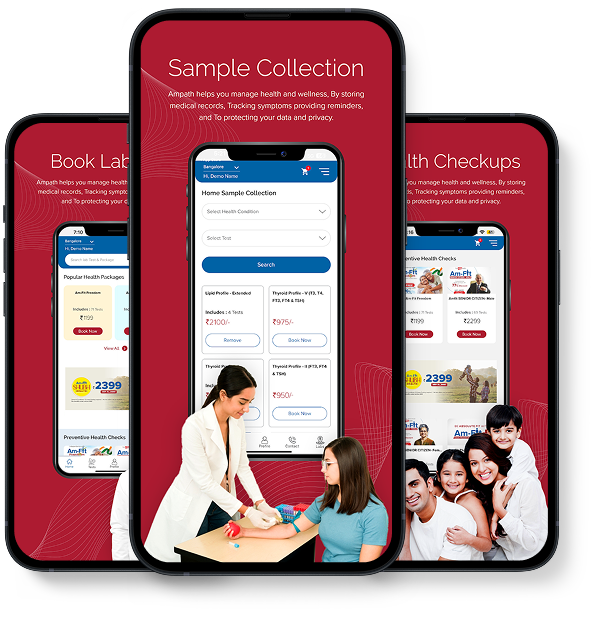
Book lab tests, access reports instantly, and get seamless home sample collection with advanced technology.
Trusted by millions, Ampath Labs ensures accurate diagnostics, convenience, and care at your fingertips.



 Select Location



 Get 15% OFF on 1st order above ₹100 Use code:



































































.jpg)