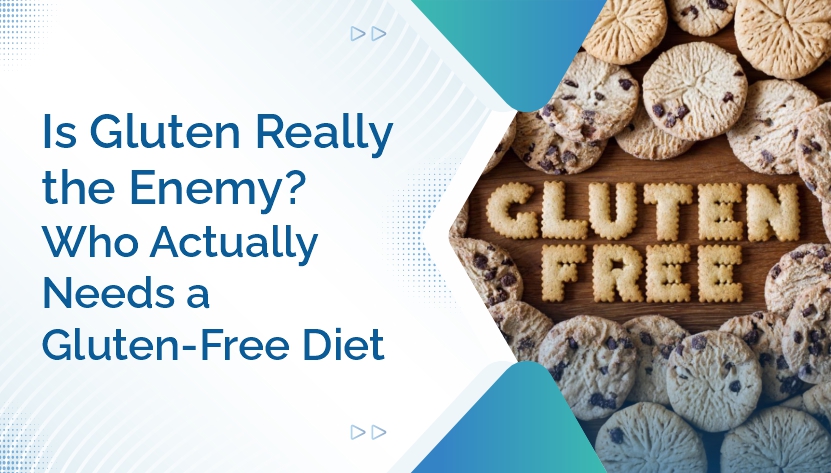


The gluten-free diet has evolved from a niche medical necessity to a mainstream nutritional trend. Supermarket shelves are now stocked with gluten-free alternatives to bread, pasta, and baked goods, and restaurant menus frequently highlight these options. This shift has led to a widespread perception that gluten is inherently harmful to human health. However, for the majority of the population, gluten is a harmless protein source.
Understanding the distinction between medical necessity and dietary preference is crucial for maintaining optimal health. While eliminating gluten is a life-saving measure for some, it can be an unnecessary, expensive, and nutritionally limiting restriction for others.
Defining Gluten and Its Role in Food
Gluten is a general name for the proteins found in wheat, rye, barley, and triticale (a cross between wheat and rye). It acts as a glue that holds food together, helping it maintain its shape. In baking, gluten provides elasticity to dough, allowing bread to rise and giving it a chewy, satisfying texture.
This protein is found in a vast array of foods, including:
• Wheat products: Breads, baked goods, soups, pasta, cereals, and sauces.
• Barley: Malt, food coloring, soups, and beer.
• Rye: Rye bread, rye beer, and some cereals.
For those without specific medical conditions, the body digests gluten much like any other protein. It is broken down into amino acids and utilized for various bodily functions. Therefore, labeling gluten as a universal "enemy" is scientifically inaccurate.
Who Requires a Gluten-Free Diet?
There are three primary medical conditions where the removal of gluten is the recommended treatment: Celiac disease, Non-Celiac Gluten Sensitivity, and wheat allergy.
Celiac Disease
Celiac disease is a serious autoimmune disorder that affects approximately 1% of the population worldwide. When people with celiac disease eat gluten, their body mounts an immune response that attacks the small intestine. This attack damages the villi, small fingerlike projections that line the small intestine and promote nutrient absorption.
When the villi are damaged, nutrients cannot be absorbed properly into the body. This can lead to severe health complications, including:
• Iron deficiency anemia
• Early onset osteoporosis or osteopenia
• Infertility and miscarriage
• Lactose intolerance
• Vitamin and mineral deficiencies
• Central and peripheral nervous system disorders
For individuals with celiac disease, a strict, lifelong gluten-free diet is the only effective treatment. Even trace amounts of gluten can trigger intestinal damage, regardless of whether symptoms are immediately present.
Non-Celiac Gluten Sensitivity (NCGS)
Some individuals experience symptoms similar to those of celiac disease when consuming gluten, yet they do not test positive for celiac disease or wheat allergy. This condition is known as Non-Celiac Gluten Sensitivity (NCGS).
Symptoms of NCGS often appear hours or even days after gluten is consumed and can include:
• Abdominal pain and bloating
• Diarrhea or constipation
• "Brain fog" or difficulty concentrating
• Headache
• Fatigue
• Joint pain
Unlike celiac disease, NCGS does not cause visible damage to the lining of the small intestine. Researchers are still working to understand the biological mechanisms behind this sensitivity. The treatment involves a gluten-free diet, though some individuals may be able to tolerate small amounts of gluten once their symptoms have resolved.
Wheat Allergy
A wheat allergy is distinct from both celiac disease and NCGS. It is an allergic reaction to proteins found in wheat, mediated by IgE antibodies. In this case, the immune system identifies wheat proteins as a threat, triggering an allergic response.
Symptoms can range from mild hives and swelling to life-threatening anaphylaxis. While individuals with a wheat allergy must avoid wheat, they may still be able to safely consume barley and rye, provided they are not allergic to those grains as well.
The Risks of Unnecessary Gluten Avoidance
For individuals who do not have celiac disease, NCGS, or a wheat allergy, there is little evidence to support the idea that a gluten-free diet offers health benefits. In fact, removing gluten without medical guidance can lead to several nutritional and financial disadvantages.
Nutritional Deficiencies
Whole grains that contain gluten are significant sources of fiber, as well as essential vitamins and minerals such as B vitamins (thiamin, riboflavin, niacin, and folate) and iron. Many gluten-free processed foods are not fortified with these nutrients to the same extent as their wheat-based counterparts. Consequently, individuals on a strict gluten-free diet may be at risk for nutritional gaps if they do not carefully plan their meals.
Lower Fiber Intake
Gluten-free diets are often lower in dietary fiber. Fiber is essential for digestive health, blood sugar regulation, and cholesterol management. Relying heavily on gluten-free starches like white rice, tapioca, and potato flour—which are common substitutes in gluten-free products—can significantly reduce daily fiber intake compared to a diet rich in whole wheat products.
Higher Cost and Accessibility Issues
Gluten-free products are typically more expensive than standard wheat-based products. Following this diet can increase grocery bills significantly. Furthermore, finding high-quality gluten-free options can be challenging in certain dining establishments or travel locations, creating unnecessary social and logistical burdens.
Increased Consumption of Processed Foods
To mimic the texture and flavor of gluten-containing foods, manufacturers often add higher amounts of sugar, sodium, and fat to gluten-free products. A "gluten-free" label does not automatically equate to "healthy." A gluten-free cookie is still a cookie, and in some cases, it may be more calorically dense and less nutritious than the standard version.
Making an Informed Decision
It is understandable why many people are drawn to the gluten-free trend. Anecdotal reports of increased energy and weight loss are common. However, these benefits often stem from the elimination of processed, high-calorie foods (like cakes, cookies, and snack foods) rather than the removal of gluten itself. When individuals replace refined carbohydrates with whole foods like fruits, vegetables, and lean proteins, their health improves regardless of gluten content.
Before making significant dietary changes, it is imperative to consult with a healthcare provider. If you suspect you have an issue with gluten, it is vital to get tested for celiac disease before removing gluten from your diet. Testing for celiac disease relies on the presence of gluten in the system to be accurate; eliminating it beforehand can lead to a false-negative result.
Conclusion
Gluten is not the enemy for the vast majority of people. It is a naturally occurring protein found in many nutrient-dense grains that have been part of the human diet for thousands of years. While a gluten-free diet is a medical necessity for those with celiac disease and specific sensitivities, it is not a universal prescription for better health.
If you experience digestive distress or other symptoms after eating gluten-containing foods, rely on professional diagnostics rather than self-prescription. Medical professionals can conduct the necessary blood tests and screenings to determine if your symptoms are related to gluten or another underlying issue. By basing your dietary choices on accurate medical information, you ensure that your nutrition plan supports your long-term well-being without imposing unnecessary restrictions.
Food-related reactions are often lumped together under a single umbrella, but food...
17-09-2026
For decades, cholesterol testing has been the cornerstone of cardiovascular risk...
17-09-2026

Chronic fatigue syndrome (chronic fatigue syndrome), also known as myalgic encephalomyelitis...
17-09-2026
Book lab tests, access reports instantly, and get seamless home sample collection with advanced technology.
Trusted by millions, Ampath Labs ensures accurate diagnostics, convenience, and care at your fingertips.



 Select Location



 Get 15% OFF on 1st order above ₹100 Use code:
































































.jpg)