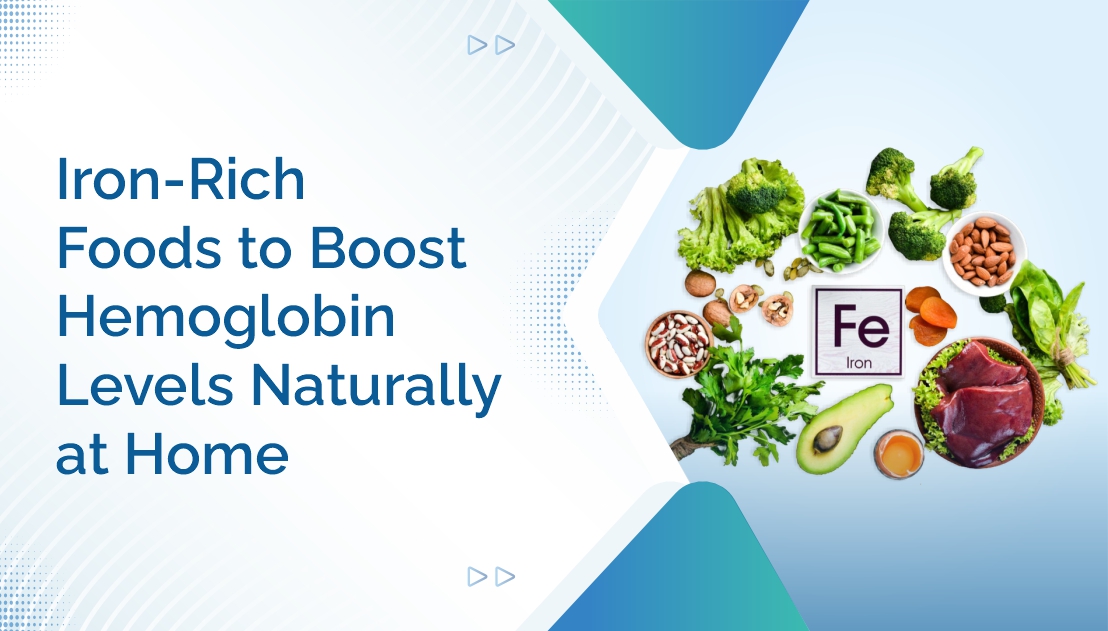


Maintaining optimal blood health is a fundamental component of your overall well-being. Hemoglobin, an essential protein found in red blood cells, is responsible for transporting oxygen from your lungs to the rest of your body. When your hemoglobin levels drop, your body cannot deliver adequate oxygen to vital organs, leading to fatigue, weakness, and a compromised immune system.
Fortunately, mild deficiencies can often be addressed through targeted dietary adjustments. Consuming specific nutrients plays a primary role in red blood cell production. By understanding how to structure your daily meals, you can take proactive steps toward better health.
Understanding Hemoglobin and Iron Deficiency
Hemoglobin relies heavily on iron to function correctly. Without sufficient iron stores, the body struggles to produce this critical protein. This condition, known as iron deficiency anemia, is one of the most common nutritional deficiencies worldwide.
Symptoms of low hemoglobin often include chronic exhaustion, pale skin, shortness of breath, and cold hands or feet. Recognizing these signs early allows for prompt dietary intervention. The most effective natural approach involves increasing your intake of both iron and specific vitamins that support red blood cell synthesis.
Dietary iron is categorized into two distinct forms: heme iron and non-heme iron. Heme iron is derived from animal products and is absorbed highly efficiently by the human body. Non-heme iron is found in plant-based foods. While non-heme iron is slightly more challenging for the body to absorb, it remains a vital component of a balanced, health-promoting diet.
Top Iron-Rich Foods to Include in Your Diet
To effectively elevate your hemoglobin levels, incorporate a variety of the following nutrient-dense foods into your weekly meal planning.
Heme Iron Sources for Efficient Absorption
Animal-based foods provide the most readily available form of iron. Incorporating these into your meals ensures a direct and efficient supply of the nutrients needed for hemoglobin production.
Non-Heme Iron Sources for Plant-Based Nutrition
For individuals following a vegetarian or vegan lifestyle, or those simply looking to diversify their diet, plant-based foods offer abundant non-heme iron.
Maximizing Iron Absorption at Home
Simply eating iron-rich foods is only part of the equation. The human body requires specific conditions to absorb iron efficiently, particularly the non-heme iron found in plants.
To maximize absorption, pair your iron-rich meals with foods high in Vitamin C. Ascorbic acid significantly enhances the body's ability to process and utilize non-heme iron. Excellent sources of Vitamin C include citrus fruits, bell peppers, strawberries, tomatoes, and broccoli. A practical example is squeezing fresh lemon juice over a spinach salad or eating a serving of strawberries after a meal of lentils.
Conversely, certain compounds can inhibit iron absorption. Calcium is known to interfere with the absorption of both heme and non-heme iron. Therefore, it is advisable to consume dairy products or calcium supplements at a different time of day than your primary iron-rich meals. Additionally, tannins and polyphenols found in coffee and tea can block iron uptake. Wait at least one hour after a meal before consuming these beverages.
Conclusion
Optimizing your diet with iron-rich foods is a highly effective, natural method to support healthy hemoglobin levels. By strategically combining heme and non-heme iron sources with Vitamin C, you provide your body with the exact tools it needs to produce robust red blood cells and maintain optimal energy levels.
Food-related reactions are often lumped together under a single umbrella, but food...
17-09-2026
For decades, cholesterol testing has been the cornerstone of cardiovascular risk...
17-09-2026
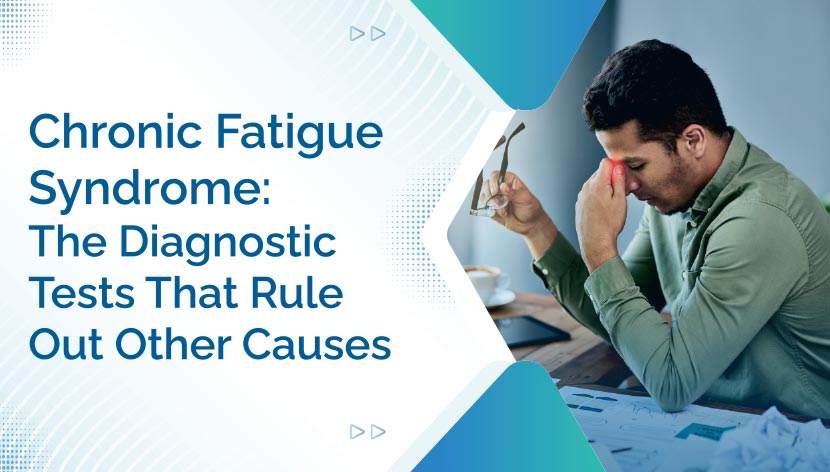
Chronic fatigue syndrome (chronic fatigue syndrome), also known as myalgic encephalomyelitis...
17-09-2026
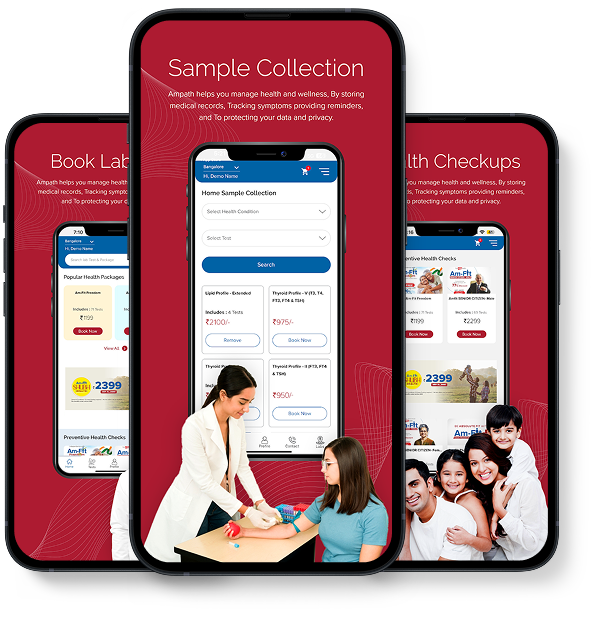
Book lab tests, access reports instantly, and get seamless home sample collection with advanced technology.
Trusted by millions, Ampath Labs ensures accurate diagnostics, convenience, and care at your fingertips.



 Select Location


 Get 15% OFF on 1st order above ₹100 Use code:


































































.jpg)