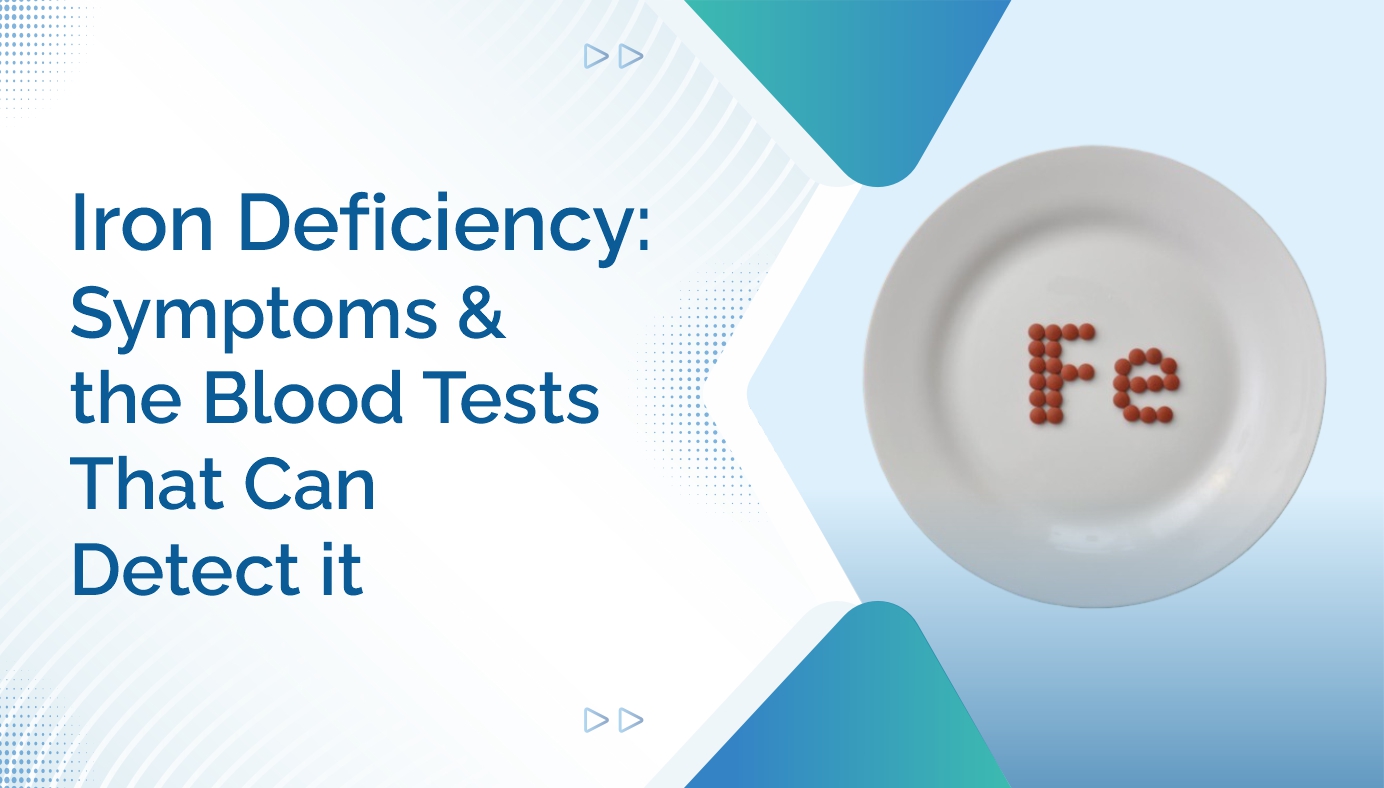


Iron deficiency is one of the most common nutritional deficiencies worldwide, affecting millions of people across different age groups. Iron is an essential mineral that plays a critical role in producing hemoglobin the protein in red blood cells responsible for carrying oxygen throughout the body. When the body lacks sufficient iron, it cannot produce enough healthy red blood cells, which can lead to a condition known as Iron Deficiency Anemia.
Although iron deficiency often develops gradually, its symptoms can significantly impact daily life if left untreated. Fortunately, modern diagnostic tests can identify iron deficiency early, allowing timely treatment and prevention of complications. In this article, we will explore the symptoms of iron deficiency, the causes behind it, and the blood tests that help detect it.
What Causes Iron Deficiency?
Iron is an essential mineral your body uses to produce hemoglobin the protein in red blood cells responsible for transporting oxygen throughout the body. When iron levels fall too low, this process is disrupted.
Several factors can contribute to iron deficiency:
Recognizing the Symptoms of Iron Deficiency
Iron deficiency develops in stages. In the early phase, iron stores are low but not yet critically depleted symptoms may be mild or absent. As deficiency progresses, more noticeable signs begin to emerge.
Fatigue and Weakness
Persistent fatigue is the most widely reported symptom. Without adequate iron, the body produces less hemoglobin, meaning muscles and tissues receive less oxygen. The result is a constant feeling of tiredness that doesn't resolve with rest.
Pale Skin and Mucous Membranes
Hemoglobin gives blood its red color, which in turn contributes to the healthy, warm tone of skin. When hemoglobin levels drop, skin may appear pale particularly noticeable on the face, inner eyelids, and fingernail beds.
Shortness of Breath
Reduced oxygen transport forces the heart to work harder to compensate. This can cause shortness of breath during everyday activities climbing stairs, walking, or even talking that would not normally be physically demanding.
Headaches and Dizziness
Low iron levels can reduce oxygen supply to the brain, triggering headaches and lightheadedness. Some individuals report feeling faint, particularly when standing up quickly.
Cold Hands and Feet
Poor circulation resulting from reduced red blood cell production can cause the extremities to feel consistently cold, even in warm environments.
Brittle Nails and Hair Loss
Iron plays a role in cell growth and repair. Deficiency can manifest in the appearance of nails causing them to become brittle, ridged, or develop a concave, spoon-shaped appearance (a condition known as koilonychia). Noticeable hair shedding is another frequently reported symptom.
Unusual Cravings (Pica)
Some people with iron deficiency develop cravings for non-food substances such as ice, clay, or starch a phenomenon known as pica. While not fully understood, this symptom is considered a notable indicator of deficiency.
Restless Leg Syndrome
Research has found a link between low iron levels and restless leg syndrome (RLS) an uncomfortable urge to move the legs, particularly at night. Addressing iron deficiency often improves RLS symptoms in affected individuals.
Blood Tests Used to Diagnose Iron Deficiency
Symptoms alone are not sufficient for diagnosis. A clinician will typically order a panel of blood tests to assess iron status accurately and determine the stage and severity of deficiency.
Complete Blood Count (CBC)
The CBC is usually the first test ordered. It measures several components of the blood, including:
Serum Iron
This test directly measures the amount of iron circulating in the bloodstream. A low serum iron level, combined with other markers, supports a diagnosis of iron deficiency.
Serum Ferritin
Ferritin is a protein that stores iron in the body. Serum ferritin levels reflect total iron stores and are considered one of the most sensitive early indicators of iron deficiency levels can drop before anemia even develops. A low ferritin result is a reliable sign that iron stores are depleted.
Total Iron-Binding Capacity (TIBC) and Transferrin Saturation
Transferrin is the protein that transports iron in the blood. TIBC measures the blood's capacity to bind iron. In iron deficiency, TIBC typically rises (because more transferrin is available to bind what little iron exists), while transferrin saturation the percentage of transferrin that is actually carrying iron falls.
Together, these two markers provide valuable insight into the body's iron transport and storage status.
Reticulocyte Count and Reticulocyte Hemoglobin Content
Reticulocytes are immature red blood cells. In iron deficiency, the bone marrow struggles to produce fully developed red blood cells, and reticulocyte hemoglobin content (Ret-He) drops. This test is particularly useful for monitoring treatment response.
Peripheral Blood Smear
In some cases, a clinician may examine a blood smear under a microscope. Iron deficiency anemia produces characteristically small, pale red blood cells (hypochromic, microcytic) that are clearly visible under magnification.
When Should You Get Tested?
Testing is recommended if you experience persistent fatigue, unexplained weakness, or any combination of the symptoms described above. Certain groups should be monitored proactively, including:
Early detection allows for timely intervention whether through dietary changes, oral iron supplementation, or treatment of an underlying cause and prevents the progression to more severe anemia.
Conclusion
Iron deficiency is manageable when identified early. If you recognize these symptoms in yourself or someone close to you, a straightforward blood panel can provide clear answers and guide appropriate treatment.
Consult your healthcare provider or visit a trusted diagnostic center to arrange iron studies. Accurate, timely testing is the most reliable foundation for effective care and a vital step toward restoring energy, vitality, and overall wellbeing.

Food-related reactions are often lumped together under a single umbrella, but food...
17-09-2026
For decades, cholesterol testing has been the cornerstone of cardiovascular risk...
17-09-2026
Chronic fatigue syndrome (chronic fatigue syndrome), also known as myalgic encephalomyelitis...
17-09-2026
Book lab tests, access reports instantly, and get seamless home sample collection with advanced technology.
Trusted by millions, Ampath Labs ensures accurate diagnostics, convenience, and care at your fingertips.




 Select Location



 Get 15% OFF on 1st order above ₹100 Use code:



































































.jpg)