
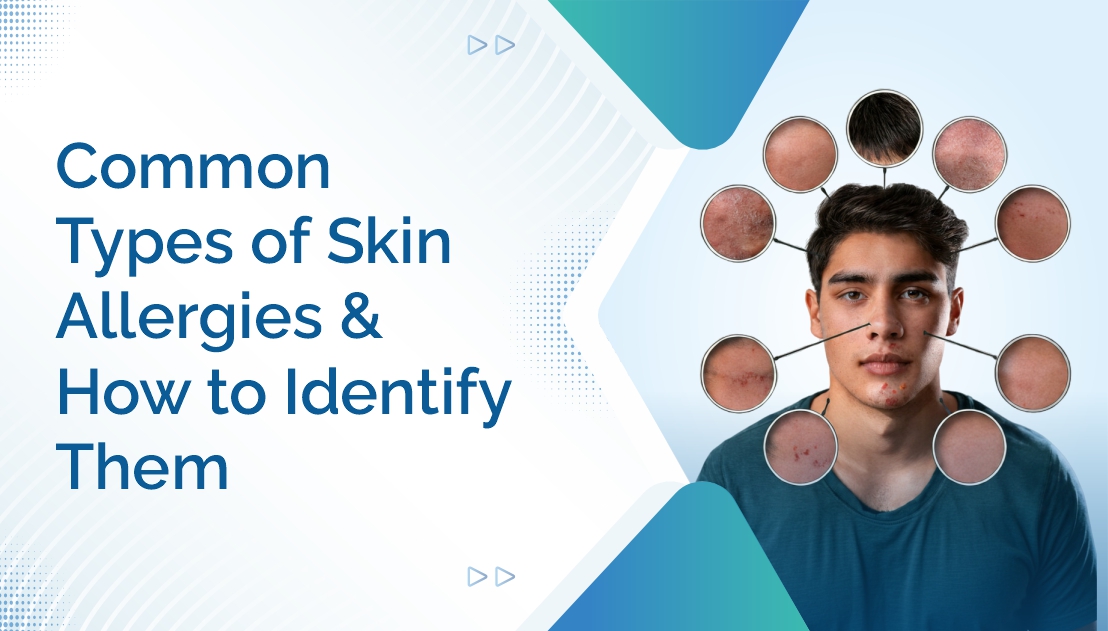


Skin allergies represent a significant health concern for many individuals, causing persistent discomfort and visible physical symptoms. An allergic reaction occurs when the immune system overreacts to a typically harmless substance. This immune response leads to inflammation, itching, redness, and swelling on the surface of the skin. Identifying the exact trigger is the most critical step in managing these symptoms and preventing future flare-ups.
Most Common Types of Skin Allergies
Skin allergies manifest in several distinct forms, each with unique characteristics and common triggers. Recognizing the specific type of reaction is essential for proper medical evaluation.
Contact Dermatitis
Contact dermatitis occurs when the skin comes into direct physical contact with an allergen. The immune system identifies the substance as a threat, resulting in a localized rash, itching, and occasionally blistering. Common triggers include nickel found in jewelry, certain fragrances, cosmetics, and toxic plants like poison ivy. The reaction typically appears only in the area where the substance touched the skin, though severe cases can spread.
Atopic Dermatitis (Eczema)
Atopic dermatitis, widely known as eczema, is a chronic skin condition frequently linked to genetic factors and a family history of allergies. Patients with eczema experience dry, red, and intensely itchy patches of skin. These flare-ups can be triggered by environmental factors, including dust mites, pet dander, specific foods, and harsh soaps. Eczema often begins in childhood, but adults can develop the condition at any stage of life.
Urticaria (Hives)
Urticaria presents as raised, red, and itchy welts on the skin's surface. These welts can vary in size and often appear suddenly. Hives occur when the immune system releases histamine in response to an allergen. Triggers commonly include insect stings, certain medications, specific foods like shellfish or tree nuts, and even physical factors like extreme temperatures.
Angioedema
Angioedema is closely related to hives but involves swelling in the deeper layers of the skin. It frequently affects areas around the eyes, lips, and sometimes the throat. Because it can restrict breathing in severe cases, angioedema requires immediate medical evaluation. It shares many of the same allergic triggers as hives, particularly adverse reactions to medications and specific food proteins.
How Blood Tests Identify Skin Allergies
When a patient exhibits signs of a skin allergy, physicians need precise data to formulate an effective treatment protocol. State-of-the-art pathology labs provide this data through advanced blood testing protocols.
Measuring IgE Antibodies
The most common blood test used to diagnose allergies measures the presence of Immunoglobulin E (IgE) antibodies. When a person is allergic to a specific substance, their immune system overproduces IgE antibodies to combat that perceived threat. A trained phlebotomist draws a small blood sample, which is then analyzed in a laboratory setting.
The lab tests the blood against a panel of suspected allergens. If the blood contains high levels of IgE antibodies corresponding to a specific allergen, it indicates a confirmed sensitivity. This quantitative data provides physicians with a clear, objective measure of the patient's allergic response.
Advantages of Blood Testing
Blood testing offers several distinct advantages over traditional skin prick testing. First, it requires only a single needle prick to draw the blood sample, which many patients find more comfortable than enduring multiple skin pricks. Second, a blood test does not expose the patient to the physical allergen, eliminating the risk of triggering anaphylaxis during the diagnostic process.
Furthermore, blood tests are highly effective for patients who have severe existing skin conditions, such as widespread eczema, which can make skin testing difficult to interpret. They are also ideal for individuals who take antihistamines or other medications that might interfere with the results of a skin test.
When to Consult a Diagnostic Center
Proactive healthcare involves seeking professional evaluation before symptoms severely impact your quality of life. You should consult a physician and utilize a trusted diagnostic center if you experience chronic skin rashes, unexplained itching, or recurrent hives.
Accessing comprehensive health check packages and individual blood tests tailored to your needs provides a holistic health assessment. Certified professionals utilize advanced equipment to deliver high-quality, accessible, and affordable diagnostic services. Receiving accurate and timely reports allows you to remove specific allergens from your environment and begin targeted medical therapies.
Conclusion
Enduring the discomfort of unmanaged skin allergies is no longer necessary given the advancements in modern diagnostics. High-quality blood testing offers a safe, reliable, and precise method for identifying the root cause of allergic reactions. By partnering with a reputable pathology lab, you receive the vital data needed to understand your body's immune responses. Empower yourself with accurate medical insights, consult with your healthcare provider, and take the definitive step toward clear, healthy skin today.

Food-related reactions are often lumped together under a single umbrella, but food...
17-09-2026

For decades, cholesterol testing has been the cornerstone of cardiovascular risk...
17-09-2026

Chronic fatigue syndrome (chronic fatigue syndrome), also known as myalgic encephalomyelitis...
17-09-2026
Book lab tests, access reports instantly, and get seamless home sample collection with advanced technology.
Trusted by millions, Ampath Labs ensures accurate diagnostics, convenience, and care at your fingertips.




 Select Location



 Get 15% OFF on 1st order above ₹100 Use code:



































































.jpg)