


Maintaining optimal health requires an understanding of how your body processes glucose. Blood sugar levels serve as a critical indicator of metabolic function, influencing energy levels, organ health, and overall well-being. For individuals managing diabetes or those at risk of developing metabolic conditions, regular monitoring is essential to prevent long-term complications and ensure timely medical interventions.
Advancements in medical technology have made it highly convenient to track glucose levels outside of a clinical setting. Patients can now access accurate, real-time data about their health from the comfort of their homes. This continuous stream of information empowers individuals to make immediate adjustments to their diet, exercise routines, and medication schedules.
Importance of Routine Glucose Tracking
Blood sugar monitoring provides actionable insights into how daily lifestyle choices affect your metabolic system. Tracking these metrics consistently allows patients and healthcare providers to develop tailored treatment plans.
Mitigating Severe Health Risks
Chronically elevated blood glucose levels can lead to severe health complications, including neuropathy, cardiovascular disease, and kidney damage. By identifying patterns of hyperglycemia (high blood sugar) or hypoglycemia (low blood sugar) early, patients can take corrective actions before these states cause permanent physiological damage. Consistent tracking minimizes the risk of sudden medical emergencies.
Optimizing Diet and Medication
Every individual responds differently to various foods, physical activities, and stress factors. Monitoring your blood sugar helps you understand these unique physiological responses. Furthermore, physicians rely on accurate patient-recorded data to prescribe precise dosages of insulin or oral medications, ensuring optimal therapeutic outcomes without adverse side effects.
How to Monitor Blood Sugar Levels at Home
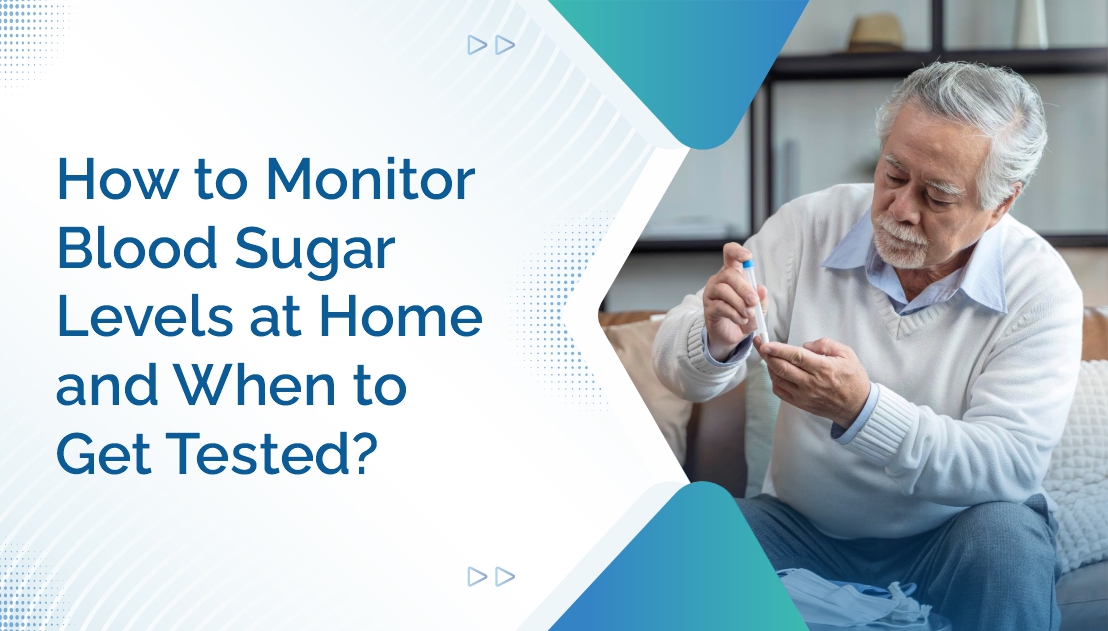
Executing a home blood sugar test correctly ensures the accuracy and reliability of the data you collect. The most common method involves a digital glucometer, a small, portable medical device that analyzes a tiny drop of blood.
Preparing for the Test
Prioritize hygiene before conducting any home test. Wash your hands thoroughly with warm water and soap, then dry them completely. Traces of food, sugar, or lotion on your skin can significantly alter the reading. Warm water also improves blood circulation in the hands, making the testing process smoother and less uncomfortable.
The Step-by-Step Testing Process
Begin by inserting a sterile test strip into the glucometer. The device will typically power on automatically and indicate that it is ready for the blood sample. Next, prepare your lancing device by inserting a new, sterile lancet. Adjust the depth setting according to your skin thickness.
Place the lancing device against the side of your fingertip. The sides of the fingers possess fewer nerve endings compared to the pads, resulting in less discomfort. Press the button to prick the skin, then gently squeeze the finger from the base to form a small drop of blood. Apply the blood drop to the designated area on the test strip. The glucometer will display your blood sugar reading within seconds.
Utilizing Continuous Glucose Monitors (CGMs)
For patients requiring frequent monitoring, Continuous Glucose Monitors offer an advanced alternative to traditional finger-prick tests. A CGM utilizes a tiny sensor inserted under the skin, usually on the abdomen or arm, which measures interstitial glucose levels continuously. The sensor transmits this data to a smart device or receiver, providing real-time trends and alerts. While CGMs reduce the need for manual testing, patients must still verify abnormal readings with a standard glucometer.
When to Seek Professional Laboratory Testing
While home glucometers provide immediate and valuable data, they possess limitations in scope and precision. Diagnostic centers offer comprehensive laboratory tests that provide a broader, more accurate evaluation of your metabolic health.
Routine Health Assessments
Preventative healthcare relies on periodic, professional evaluations. Individuals over the age of 45, or those with risk factors such as obesity, a family history of diabetes, or a sedentary lifestyle, should schedule regular laboratory screenings. These routine evaluations often include a fasting plasma glucose test, which measures blood sugar after an overnight fast, providing a highly accurate baseline of your metabolic state.
Recognizing Warning Signs
Certain physiological symptoms necessitate immediate professional medical evaluation. If you experience excessive thirst, frequent urination, unexplained weight loss, chronic fatigue, or blurred vision, you should consult a physician and undergo professional pathology testing. These symptoms frequently indicate significant metabolic dysfunction that home testing alone cannot fully diagnose or manage.
The Hemoglobin A1c Test
The Hemoglobin A1c (HbA1c) test is a cornerstone of professional diabetes management and diagnosis. Unlike a home glucometer that measures your blood sugar at a single, isolated moment, the HbA1c test measures the percentage of blood sugar attached to hemoglobin. This provides an average of your blood glucose levels over the preceding two to three months. Physicians utilize this comprehensive metric to diagnose prediabetes and diabetes, as well as to evaluate the long-term effectiveness of current treatment plans.
Conclusion
Effectively managing blood sugar levels requires a combination of diligent home monitoring and professional medical oversight. By utilizing home testing equipment correctly, you gain the daily insights necessary to make informed dietary and lifestyle choices. Coupling this daily data with the precision of professional laboratory services ensures a highly accurate, comprehensive approach to your health. Schedule regular consultations with your healthcare provider and utilize state-of-the-art diagnostic centers to maintain complete confidence in your metabolic well-being.

Food-related reactions are often lumped together under a single umbrella, but food...
17-09-2026

For decades, cholesterol testing has been the cornerstone of cardiovascular risk...
17-09-2026
Chronic fatigue syndrome (chronic fatigue syndrome), also known as myalgic encephalomyelitis...
17-09-2026
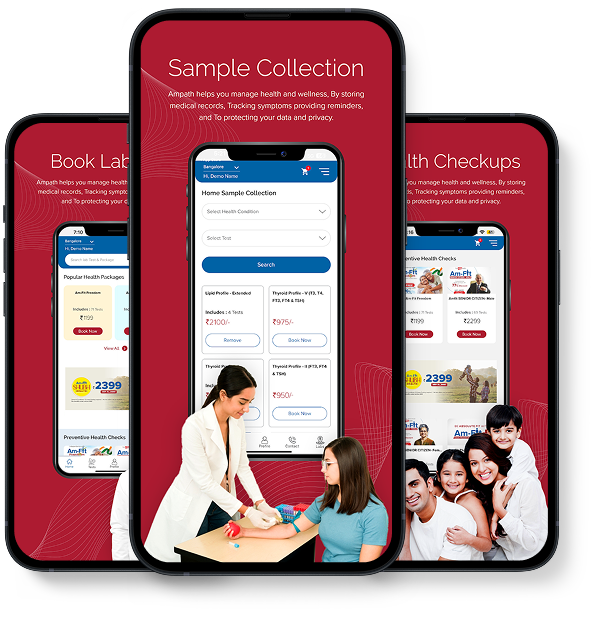
Book lab tests, access reports instantly, and get seamless home sample collection with advanced technology.
Trusted by millions, Ampath Labs ensures accurate diagnostics, convenience, and care at your fingertips.



 Select Location



 Get 15% OFF on 1st order above ₹100 Use code:



































































.jpg)