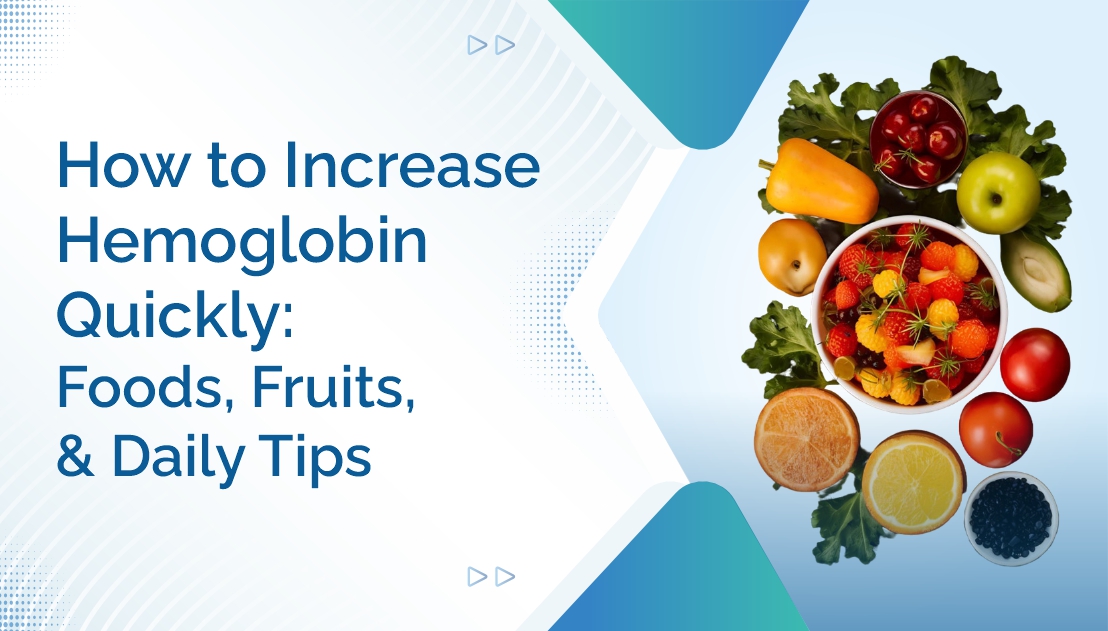


Hemoglobin is a vital iron-rich protein found in red blood cells. It is responsible for carrying oxygen from the lungs to every tissue and organ in the body. When hemoglobin levels drop below the normal range, the body cannot function efficiently. This condition, often referred to as anemia, leads to persistent fatigue, unexplained weakness, and shortness of breath.
Understanding how to manage and improve your blood health is a fundamental part of proactive healthcare. Low hemoglobin can result from a poor diet, inadequate nutrient absorption, or underlying medical conditions. Fortunately, minor deficiencies can often be corrected through targeted dietary changes and healthy daily habits.
Understanding Hemoglobin and Its Role in the Body
Red blood cells rely on hemoglobin to transport oxygen and remove carbon dioxide from the bloodstream. Normal hemoglobin levels vary based on age and gender. For adult men, the standard range is typically 13.8 to 17.2 grams per deciliter (g/dL). For adult women, it is generally 12.1 to 15.1 g/dL.
When your levels fall below these parameters, your body struggles to deliver enough oxygen to your vital organs. Addressing this deficit promptly prevents further health complications. The most effective approach involves increasing your intake of specific nutrients, primarily iron, vitamin C, and folic acid.
Top Foods to Increase Hemoglobin Levels
Diet plays the most significant role in red blood cell production. Consuming the right nutrients ensures your body has the necessary building blocks to synthesize hemoglobin.
Iron-Rich Meats and Seafood
Iron is the primary component of hemoglobin. The body absorbs iron from animal products, known as heme iron, much more efficiently than iron from plant sources.
Plant-Based Iron Sources
For individuals following a vegetarian or vegan diet, non-heme iron sources are essential.
Foods High in Folic Acid
Folic acid, or vitamin B9, is necessary for the production of red blood cells. A deficiency in folic acid can prevent red blood cells from maturing properly. Include foods such as black-eyed peas, Brussels sprouts, avocado, and enriched whole grains to maintain adequate folate levels.
Best Fruits to Boost Hemoglobin Naturally
Specific fruits possess unique nutritional profiles that actively support red blood cell generation. Adding these to your daily diet can accelerate your recovery.
Pomegranates
Pomegranates are widely recommended by healthcare professionals for blood health. They are exceptionally rich in iron, calcium, fiber, and carbohydrates. The nutritional density of this fruit stimulates the rapid production of hemoglobin and promotes healthy blood flow.
Apples and Dates
Apples provide a steady source of plant-based iron. Consuming an apple daily helps maintain a consistent supply of nutrients required for blood synthesis. Dates are highly concentrated with iron, potassium, and magnesium, making them an excellent snack for individuals experiencing weakness associated with low hemoglobin.
Citrus Fruits for Vitamin C
Iron requires a catalyst for proper absorption in the intestines. Vitamin C serves this exact purpose. Consuming iron-rich foods without sufficient vitamin C often leads to poor nutrient uptake. Oranges, lemons, grapefruit, and strawberries are vital additions to your diet. Drinking a glass of fresh orange juice alongside an iron-rich meal significantly enhances the absorption process.
Daily Tips for Maintaining Healthy Hemoglobin
Achieving and maintaining optimal health requires consistent daily habits. Dietary changes are most effective when paired with supportive lifestyle practices.
Optimize Your Iron Absorption
Certain compounds inhibit the body’s ability to absorb iron. Phytic acid, found in some whole grains, and tannins, present in coffee and tea, can block nutrient uptake. Avoid consuming coffee or tea immediately before or after your meals. Wait at least one hour to ensure your body fully absorbs the iron from your food.
Engage in Regular Exercise
Physical activity stimulates the body to produce more hemoglobin. When you exercise, your body requires more oxygen to fuel your muscles. In response to this increased demand, the kidneys release a hormone called erythropoietin, which signals the bone marrow to generate additional red blood cells. Moderate aerobic exercises, such as brisk walking, swimming, or cycling, are highly effective.
Monitor Your Health Proactively
Dietary adjustments may not be sufficient if an underlying condition is causing your low hemoglobin. Regular diagnostic testing is the most reliable way to monitor your progress. Blood tests provide an accurate assessment of your red blood cell count, allowing healthcare professionals to tailor treatments to your specific needs.
Conclusion
Increasing your hemoglobin requires a strategic combination of iron-rich foods, vitamin C, and consistent lifestyle habits. By prioritizing nutrient-dense meals and optimizing your absorption, you can successfully alleviate fatigue and restore your body's energy reserves.
Understanding the importance of proactive healthcare is the first step toward a healthier life. We highly recommend scheduling Comprehensive Health Check Packages or Individual Blood Tests to accurately measure your current levels. Managed by certified professionals, state-of-the-art diagnostic centers ensure accurate and timely reports. Take action today to secure your health assurance and achieve optimal vitality.
Food-related reactions are often lumped together under a single umbrella, but food...
17-09-2026
For decades, cholesterol testing has been the cornerstone of cardiovascular risk...
17-09-2026

Chronic fatigue syndrome (chronic fatigue syndrome), also known as myalgic encephalomyelitis...
17-09-2026
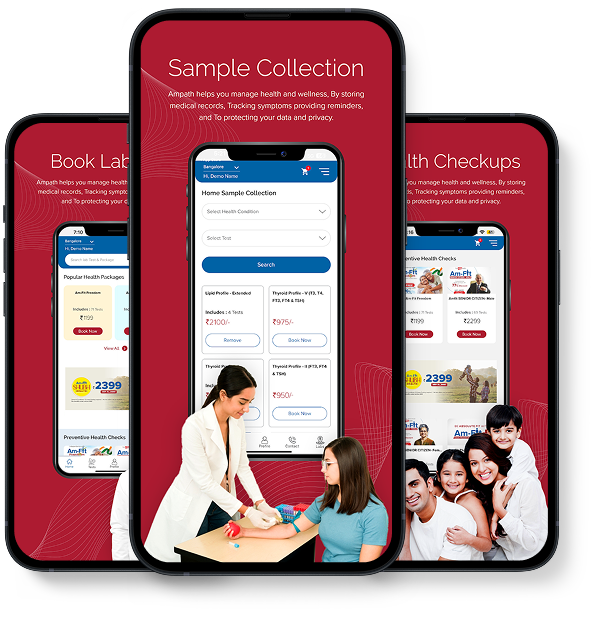
Book lab tests, access reports instantly, and get seamless home sample collection with advanced technology.
Trusted by millions, Ampath Labs ensures accurate diagnostics, convenience, and care at your fingertips.



 Select Location


 Get 15% OFF on 1st order above ₹100 Use code:



































































.jpg)