
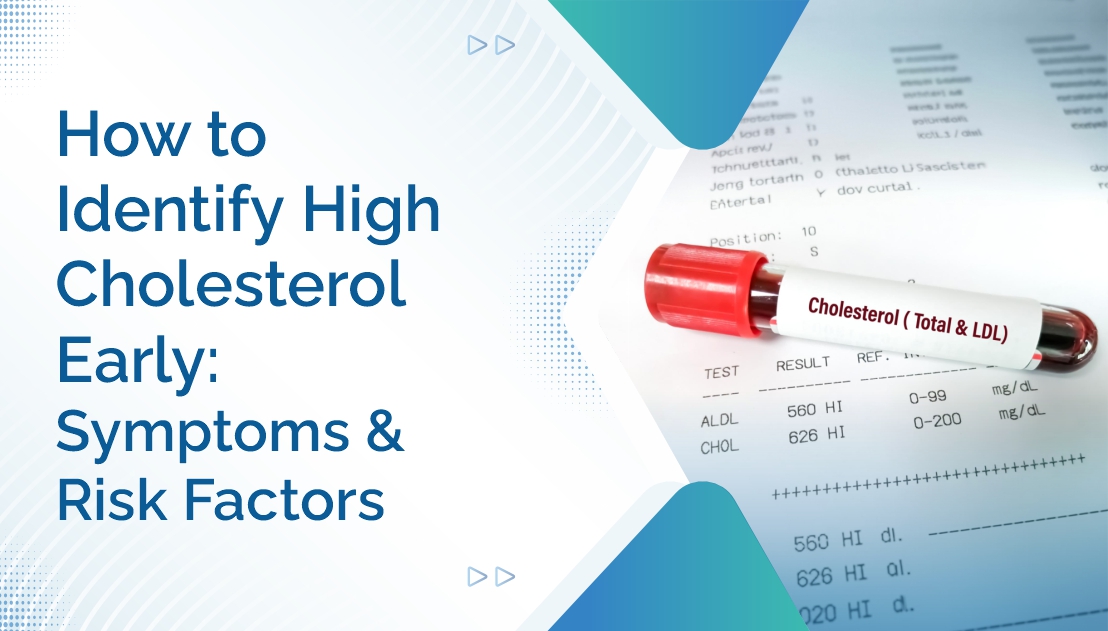


High cholesterol is a primary contributor to cardiovascular disease, yet it frequently develops without immediate warning signs. Maintaining optimal cardiovascular health requires understanding how cholesterol functions within the body, as well as knowing when to seek professional diagnostic testing. Elevated lipid levels can silently damage blood vessels over time, leading to severe complications such as heart attacks and strokes.
Understanding High Cholesterol and Its Impact
Cholesterol is a waxy, fat-like substance found in all the cells of your body. The body needs cholesterol to make hormones, vitamin D, and substances that help digest foods. However, an excess of cholesterol in the bloodstream creates health risks.
To navigate cardiovascular health, it is essential to distinguish between the two primary types of cholesterol:
Low-Density Lipoprotein (LDL)
Often referred to as "bad" cholesterol, LDL transports cholesterol particles throughout your body. High levels of LDL cholesterol lead to the accumulation of plaque in your arteries, a condition known as atherosclerosis. This narrows the arteries and increases the risk of cardiovascular events.
High-Density Lipoprotein (HDL)
Known as "good" cholesterol, HDL absorbs cholesterol in the blood and carries it back to the liver. The liver then flushes it from the body. High levels of HDL cholesterol can lower your risk for heart disease and stroke.
Can You Identify High Cholesterol Early?
A major challenge in managing high cholesterol is its silent nature. The condition itself rarely presents with noticeable symptoms in its early stages. Most individuals discover they have elevated cholesterol only after a routine blood test or, unfortunately, following a cardiovascular event.
However, in certain severe cases, specific physical indicators may manifest. These are primarily associated with genetic forms of high cholesterol.
Physical Indicators of Severe Hypercholesterolemia
Because these physical signs are uncommon and usually indicate advanced or genetic lipid disorders, patients cannot rely on symptoms alone for early detection.
Key Risk Factors for High Cholesterol
Understanding your individual risk profile is the most effective way to determine when to begin diagnostic screening. Several distinct factors contribute to the development of high cholesterol.
Genetic Predispositions
Familial hypercholesterolemia is an inherited genetic disorder that causes dangerously high cholesterol levels beginning at birth. Individuals with a family history of high cholesterol, early heart attacks, or strokes face a significantly higher risk and require early and frequent diagnostic monitoring.
Dietary and Lifestyle Choices
Daily habits profoundly impact lipid profiles. Diets high in saturated fats and trans fats directly increase LDL cholesterol levels. These fats are frequently found in red meat, full-fat dairy products, and commercially baked goods. Furthermore, a sedentary lifestyle lowers HDL cholesterol, reducing the body's ability to clear LDL from the arteries. Smoking also damages the walls of your blood vessels, making them more susceptible to the accumulation of fatty deposits.
Underlying Medical Conditions
Certain medical conditions can alter lipid metabolism and result in secondary high cholesterol. Chronic kidney disease, diabetes, hypothyroidism, and polycystic ovary syndrome (PCOS) frequently correlate with elevated cholesterol metrics. Patients managing these conditions should maintain strict oversight of their cardiovascular health.
The Importance of Regular Diagnostic Screening
Because symptoms are virtually non-existent, routine diagnostic testing is the only definitive method for early identification. The standard protocol for detecting high cholesterol is a complete lipid profile blood test.
The Lipid Panel Blood Test
A lipid panel provides a precise, comprehensive assessment of the fats in your blood. This straightforward test measures:
Medical guidelines typically recommend that adults begin regular cholesterol screenings by age 20, with tests repeated every four to six years for those at low risk. Individuals with established risk factors, such as diabetes or a family history of heart disease, require more frequent testing. Fasting for 9 to 12 hours before the blood draw is often required to ensure the most accurate results.
Conclusion
Managing your health requires access to accurate medical information and timely diagnostic services. Recognizing the invisible nature of high cholesterol emphasizes the absolute necessity of preventive screenings. Modifying lifestyle factors such as adopting a heart-healthy diet, engaging in regular physical activity, and ceasing tobacco use serves as the first line of defense against elevated lipids.

Food-related reactions are often lumped together under a single umbrella, but food...
17-09-2026
For decades, cholesterol testing has been the cornerstone of cardiovascular risk...
17-09-2026

Chronic fatigue syndrome (chronic fatigue syndrome), also known as myalgic encephalomyelitis...
17-09-2026
Book lab tests, access reports instantly, and get seamless home sample collection with advanced technology.
Trusted by millions, Ampath Labs ensures accurate diagnostics, convenience, and care at your fingertips.




 Select Location



 Get 15% OFF on 1st order above ₹100 Use code:



































































.jpg)