


One of the most critical steps in verifying a pregnancy involves precise diagnostic testing. While over-the-counter urine tests provide a convenient preliminary check, healthcare professionals consistently rely on pregnancy blood tests for definitive confirmation and comprehensive health assessment.
A pregnancy blood test offers distinct clinical advantages, including earlier detection and highly accurate medical data. By measuring specific hormones directly in the bloodstream, these tests provide critical insights that standard at-home kits simply cannot match. This level of precision is vital for individuals who require immediate medical guidance or need to monitor the early stages of fetal development closely.
The Science Behind the Test: Detecting hCG
Pregnancy blood tests function by detecting the presence of Human Chorionic Gonadotropin (hCG). The body begins producing this specific hormone shortly after a fertilized egg attaches to the lining of the uterus. This implantation process typically occurs about six to ten days after conception.
Once implantation happens, hCG levels rise rapidly, usually doubling every 48 to 72 hours during the early weeks of gestation. Because blood tests measure this hormone directly from the bloodstream, they can detect minute amounts of hCG much earlier than urine tests. In many cases, a blood test can confirm a pregnancy even before a missed menstrual period.
Types of Pregnancy Blood Tests
Diagnostic centers generally utilize two distinct types of blood tests to evaluate pregnancy. Your healthcare provider will recommend the appropriate test based on your specific medical requirements.
Qualitative hCG Blood Test
A qualitative hCG blood test serves a straightforward purpose: it confirms whether or not the pregnancy hormone is present in the bloodstream. The results are binary, yielding a simple "positive" or "negative" outcome. Physicians frequently order this test to establish a baseline confirmation of pregnancy. It is highly sensitive and can detect hCG at very low concentrations, making it an excellent tool for early verification.
Quantitative hCG Blood Test
Also known as a beta hCG test, the quantitative blood test measures the exact numerical amount of hCG present in the blood. This level of precise detail offers significant clinical value. Rather than just confirming the presence of the hormone, the quantitative test allows healthcare providers to track the rapid increase of hCG over time.
Monitoring these precise levels helps doctors assess the progression of the pregnancy. Serial quantitative testing—where blood is drawn multiple times over several days—can help diagnose potential complications, such as an ectopic pregnancy or a potential miscarriage, by observing if the hormone levels are rising at the expected clinical rate.
Why Choose a Blood Test Over a Urine Test?
While at-home urine tests are accessible, blood tests performed in a certified pathology lab offer superior reliability and depth of information. Blood tests can detect lower traces of hCG, meaning they provide earlier confirmation of pregnancy.
Furthermore, the accuracy of a urine test can be compromised by factors such as hydration levels, the time of day the test is taken, or the specific sensitivity of the testing kit. A laboratory blood test eliminates these variables. It provides a standardized, highly accurate result managed by certified professionals, ensuring that the health data you receive is completely reliable.
What to Expect During the Procedure
Undergoing a pregnancy blood test is a standard, minimally invasive procedure. Patients usually do not need to fast or make special preparations beforehand.
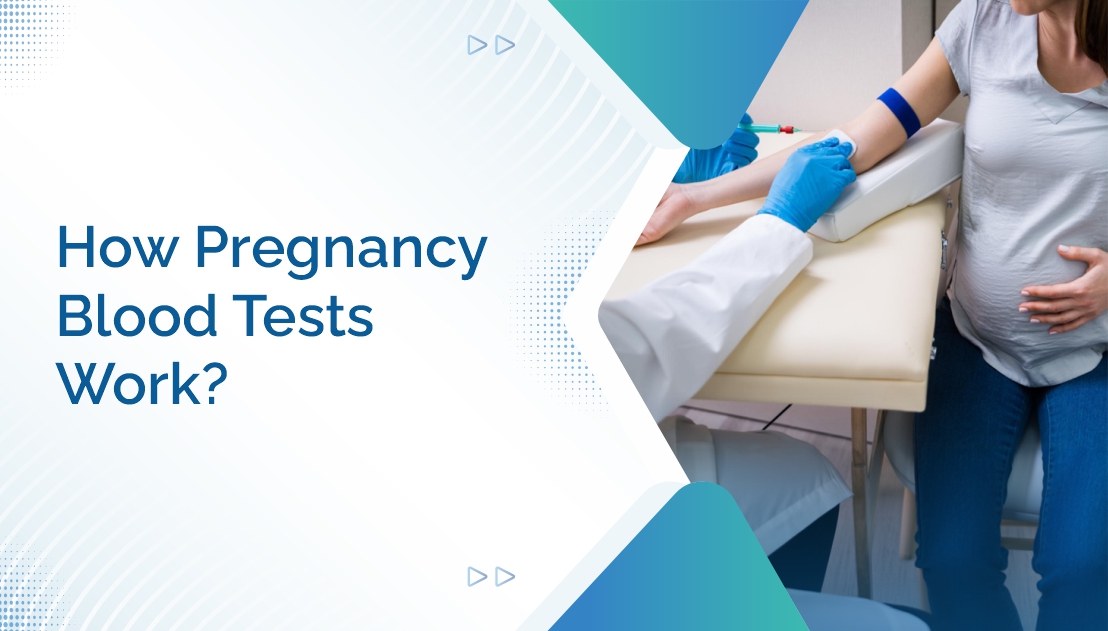
When you visit a trusted diagnostic center, a trained phlebotomist will clean a small area of your arm with an antiseptic wipe. They will then insert a fine needle into a vein, typically on the inside of the elbow, to draw a small sample of blood. The entire process takes only a few minutes. Afterward, a small bandage is applied to the puncture site. The sample is then securely transported to the lab, where advanced diagnostic equipment analyzes the hormone levels.
Interpreting the Results
The timeline for receiving results varies depending on the specific laboratory, but most centers prioritize delivering accurate and timely reports.
If you receive a qualitative test, a positive result clearly indicates pregnancy. For quantitative tests, the laboratory report will display a specific numerical value measured in milli-international units per milliliter (mIU/mL). Your healthcare provider will interpret this number based on your estimated gestational age. It is important to rely on your doctor's medical expertise to understand these figures, as normal hCG levels can vary significantly between individuals.
Conclusion
Accurate medical testing is the foundation of proactive healthcare. Confirming your pregnancy through a highly regulated, professional diagnostic center ensures that you start your prenatal care with the most reliable data available.
If you suspect you might be pregnant, or if your healthcare provider has recommended specific hormone monitoring, schedule an appointment with a certified pathology lab. By choosing a trusted diagnostic partner, you guarantee access to state-of-the-art facilities, precise analysis, and the assurance you need to take the next steps in your healthcare journey safely and confidently.

Food-related reactions are often lumped together under a single umbrella, but food...
17-09-2026

For decades, cholesterol testing has been the cornerstone of cardiovascular risk...
17-09-2026

Chronic fatigue syndrome (chronic fatigue syndrome), also known as myalgic encephalomyelitis...
17-09-2026
Book lab tests, access reports instantly, and get seamless home sample collection with advanced technology.
Trusted by millions, Ampath Labs ensures accurate diagnostics, convenience, and care at your fingertips.



 Select Location



 Get 15% OFF on 1st order above ₹100 Use code:



































































.jpg)