
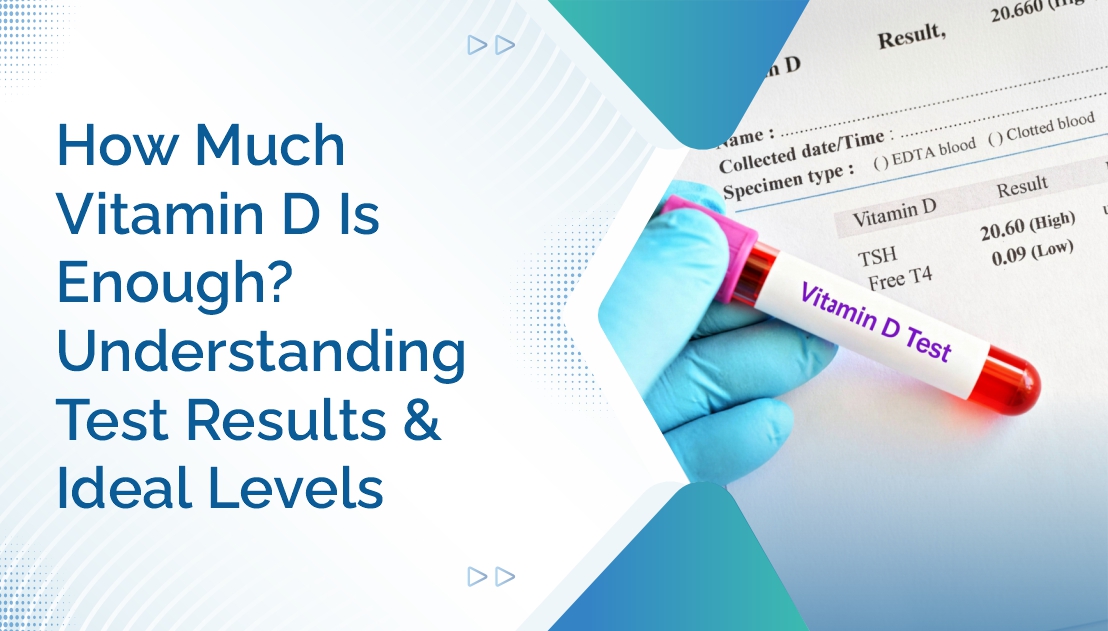


Vitamin D is a crucial nutrient that supports several essential functions within the human body. Unlike other vitamins, it functions as a hormone, and every single cell in your body has a receptor for it. Maintaining appropriate levels is necessary for optimal well-being, yet a significant portion of the global population remains deficient without realizing it.
Because the symptoms of a deficiency are often subtle, such as fatigue, frequent infections, or muscle aches, the condition frequently goes undiagnosed. Patients may attribute these signs to stress or a busy schedule, overlooking the root cause. This makes clinical testing an important step in assessing your nutritional status.
Role of Vitamin D in Your Health
Vitamin D influences multiple biological pathways. Recognizing its specific roles helps clarify why clinical guidelines strongly recommend routine monitoring.
Bone Health and Calcium Absorption
The most well-known function of Vitamin D is its regulation of calcium and phosphorus levels in the blood. These minerals are vital for maintaining healthy, strong bones. Without sufficient Vitamin D, the digestive tract cannot absorb calcium efficiently. This deficit forces the body to mobilize calcium from the skeletal system, leading to weakened bones, osteoporosis, and an increased risk of fractures in adults.
Immune System Support
Clinical research highlights the importance of Vitamin D in modulating the immune system. It enhances the pathogen-fighting effects of monocytes and macrophages, which are white blood cells crucial to immune defense. Furthermore, adequate levels help decrease inflammation, which promotes a balanced immune response and reduces the likelihood of chronic infections.
Understanding Vitamin D Blood Tests
To accurately determine your Vitamin D status, healthcare providers rely on a specific diagnostic blood test.
What is the 25(OH)D Test?
The standard screening for Vitamin D deficiency is the 25-hydroxyvitamin D test, often abbreviated as 25(OH)D. When your body processes Vitamin D from sunlight, food, or supplements, the liver converts it into a chemical called 25-hydroxyvitamin D. Laboratories measure this specific biomarker because it is the most accurate indicator of your body's total Vitamin D stores.
Preparing for Your Test
The 25(OH)D test is a straightforward blood draw that requires minimal preparation. Fasting is generally not required, allowing you to schedule the test at your convenience. However, you should inform your physician about any current medications or supplements you are taking, as high doses of over-the-counter vitamins can influence the results.
Interpreting Your Vitamin D Test Results
Diagnostic laboratories measure Vitamin D levels in either nanograms per milliliter (ng/mL) or nanomoles per liter (nmol/L). In the United States, ng/mL is the standard unit of measurement. Medical professionals categorize these results into four distinct ranges.
Deficiency Levels
A result below 20 ng/mL indicates a clear deficiency. At this level, patients are at a significantly higher risk for bone disorders, compromised immune function, and severe fatigue. Physicians strongly recommend immediate medical intervention and prescribed supplementation to correct a deficiency of this magnitude.
Insufficient Levels
Results ranging from 20 ng/mL to 29 ng/mL indicate insufficiency. While not categorized as a severe deficiency, this range means your body is not operating at its peak potential. Healthcare providers typically suggest lifestyle modifications or moderate supplementation to elevate these numbers into the optimal range.
Optimal Levels
The optimal range for overall health is generally considered to be between 30 ng/mL and 50 ng/mL. Patients falling within this category have sufficient stores to maintain healthy bones, support muscle function, and facilitate a robust immune response. Some specialized medical guidelines recommend maintaining levels closer to 40 ng/mL for maximum health benefits.
Toxicity Levels
While rare, Vitamin D toxicity (hypervitaminosis D) can occur, usually resulting from excessive supplementation rather than dietary intake or sun exposure. Levels exceeding 100 ng/mL are potentially harmful. Toxicity leads to hypercalcemia, a condition where excessive calcium builds up in the blood, causing nausea, weakness, and potentially severe complications such as kidney stones.
Strategies to Achieve Optimal Vitamin D Levels
If your diagnostic tests indicate low levels, your healthcare provider will recommend a tailored treatment plan. There are three primary methods for increasing your Vitamin D stores safely.
Sun Exposure
The human skin synthesizes Vitamin D when exposed to ultraviolet B (UVB) rays from the sun. Spending 10 to 30 minutes in the sun a few times a week is often sufficient for many individuals. Factors such as skin pigmentation, geographical location, and the use of sunscreen can significantly impact this synthesis. It is important to balance sun exposure for vitamin production with the need to protect the skin from UV damage.
Dietary Sources
Incorporating specific foods into your diet provides a steady supply of Vitamin D. Rich natural sources include fatty fish such as salmon, mackerel, and sardines. Additionally, many countries fortify common foods with the vitamin. Fortified milk, orange juice, and cereals can help increase your daily intake. Egg yolks and specific types of mushrooms also offer modest amounts.
Medical Supplementation
For patients with a diagnosed deficiency or insufficiency, dietary changes and sunlight are rarely enough to restore optimal levels quickly. Physicians frequently prescribe Vitamin D3 (cholecalciferol) supplements, as clinical trials show it is more effective at raising blood levels than Vitamin D2 (ergocalciferol). Your doctor will determine the exact dosage based on your specific laboratory results to ensure a safe and effective recovery.
Conclusion
Maintaining proper Vitamin D levels is a foundational component of preventive healthcare. Regular monitoring ensures your body has the resources it needs to protect your bones, support your immune system, and maintain optimal cellular function.
If you are experiencing unexplained fatigue or simply wish to proactively manage your wellness, schedule a comprehensive health check. Consult your healthcare provider to request a 25(OH)D blood test. Taking this proactive step will provide the accurate data needed to optimize your health and ensure lasting well-being.

Food-related reactions are often lumped together under a single umbrella, but food...
17-09-2026

For decades, cholesterol testing has been the cornerstone of cardiovascular risk...
17-09-2026

Chronic fatigue syndrome (chronic fatigue syndrome), also known as myalgic encephalomyelitis...
17-09-2026
Book lab tests, access reports instantly, and get seamless home sample collection with advanced technology.
Trusted by millions, Ampath Labs ensures accurate diagnostics, convenience, and care at your fingertips.




 Select Location



 Get 15% OFF on 1st order above ₹100 Use code:



































































.jpg)