
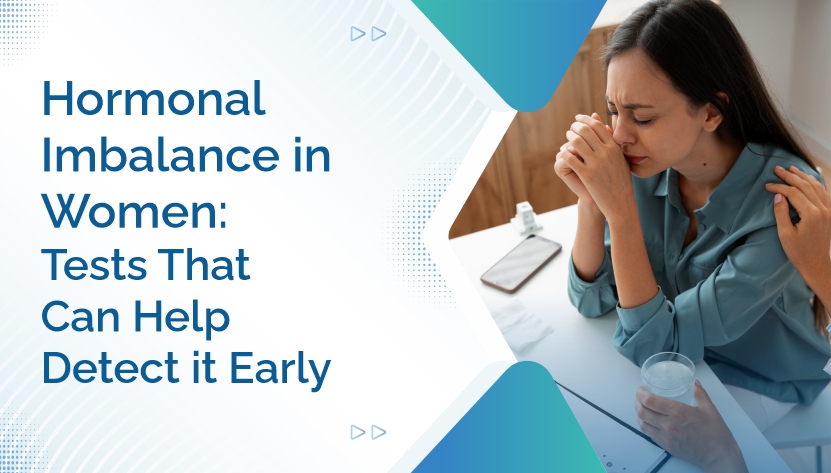


Fatigue that doesn't go away with rest. Unexplained weight gain. Mood swings that seem to come out of nowhere. These symptoms are easy to dismiss—but in many women, they point to something specific: a hormonal imbalance.
Hormones regulate nearly every function in the female body, from metabolism and sleep to reproduction and mood. When even one hormone falls out of range, the ripple effects can be significant. The challenge is that hormonal imbalances are often subtle in their early stages, making them difficult to identify without proper testing.
What Is a Hormonal Imbalance?
A hormonal imbalance occurs when the body produces too much or too little of one or more hormones. In women, this can affect the ovaries, thyroid, adrenal glands, or pituitary gland—each of which plays a distinct role in maintaining physiological balance.
Common causes include stress, poor nutrition, age-related changes, polycystic ovary syndrome (PCOS), thyroid disorders, and perimenopause. Because hormones interact closely with one another, an imbalance in one area frequently disrupts others, which is why symptoms tend to overlap and vary widely between individuals.
Common Signs of Hormonal Imbalance in Women
Recognizing potential symptoms is the first step toward seeking a diagnosis. While these signs can stem from various causes, their persistence warrants investigation:
Experiencing several of these symptoms simultaneously is a strong indicator that hormone testing may be warranted.
Key Tests for Detecting Hormonal Imbalance
1. Sex Hormone Panel
This panel measures the primary reproductive hormones and is typically one of the first tests ordered when a hormonal imbalance is suspected.
2. Thyroid Function Tests
Thyroid disorders are among the most common hormonal conditions in women, yet they frequently go undiagnosed. The thyroid produces hormones that regulate metabolism, body temperature, and energy levels.
Key markers include:
3. Cortisol and Adrenal Function Tests
Cortisol, produced by the adrenal glands, regulates the body's stress response, blood sugar levels, and immune function. Chronically high cortisol—often driven by prolonged stress—can suppress other hormone systems and contribute to weight gain, sleep disruption, and anxiety.
4. Insulin and Blood Sugar Tests
Insulin resistance—a condition where cells fail to respond effectively to insulin—is closely linked to hormonal imbalance, particularly in women with PCOS. Left unaddressed, it raises the risk of type 2 diabetes and cardiovascular disease.
5. Anti-Müllerian Hormone (AMH) Test
AMH is produced by ovarian follicles and serves as a reliable marker of ovarian reserve—essentially, the quantity of eggs remaining. This test is particularly relevant for women experiencing fertility concerns, irregular cycles, or early signs of menopause.
Low AMH levels may indicate diminished ovarian reserve, while elevated levels are often associated with PCOS.
6. Prolactin Test
Prolactin, secreted by the pituitary gland, is primarily associated with milk production. However, elevated prolactin in non-pregnant women can interfere with ovulation and menstrual regularity.
High prolactin levels may point to a benign pituitary tumor (prolactinoma), hypothyroidism, or certain medications.
When Should Women Get Tested?
Early testing is advisable when symptoms persist for more than a few weeks without a clear explanation. It is also recommended in the following situations:
A healthcare provider can help determine which tests are most appropriate based on individual symptoms and medical history.
How Are Hormonal Imbalances Treated?
Treatment depends on the specific hormone involved, the severity of the imbalance, and the patient's broader health profile. Options may include:
Conclusion
Hormonal imbalances rarely resolve on their own, and the longer they go undetected, the more complex their effects on overall health can become. Early testing removes the guesswork and provides the clinical clarity needed to guide effective treatment.
If you have been experiencing persistent, unexplained symptoms, consult your healthcare provider about appropriate hormone testing. Accurate diagnostics are the foundation of informed, targeted care—and the starting point for reclaiming your well-being.
Food-related reactions are often lumped together under a single umbrella, but food...
17-09-2026

For decades, cholesterol testing has been the cornerstone of cardiovascular risk...
17-09-2026
Chronic fatigue syndrome (chronic fatigue syndrome), also known as myalgic encephalomyelitis...
17-09-2026
Book lab tests, access reports instantly, and get seamless home sample collection with advanced technology.
Trusted by millions, Ampath Labs ensures accurate diagnostics, convenience, and care at your fingertips.



 Select Location



 Get 15% OFF on 1st order above ₹100 Use code:



































































.jpg)