
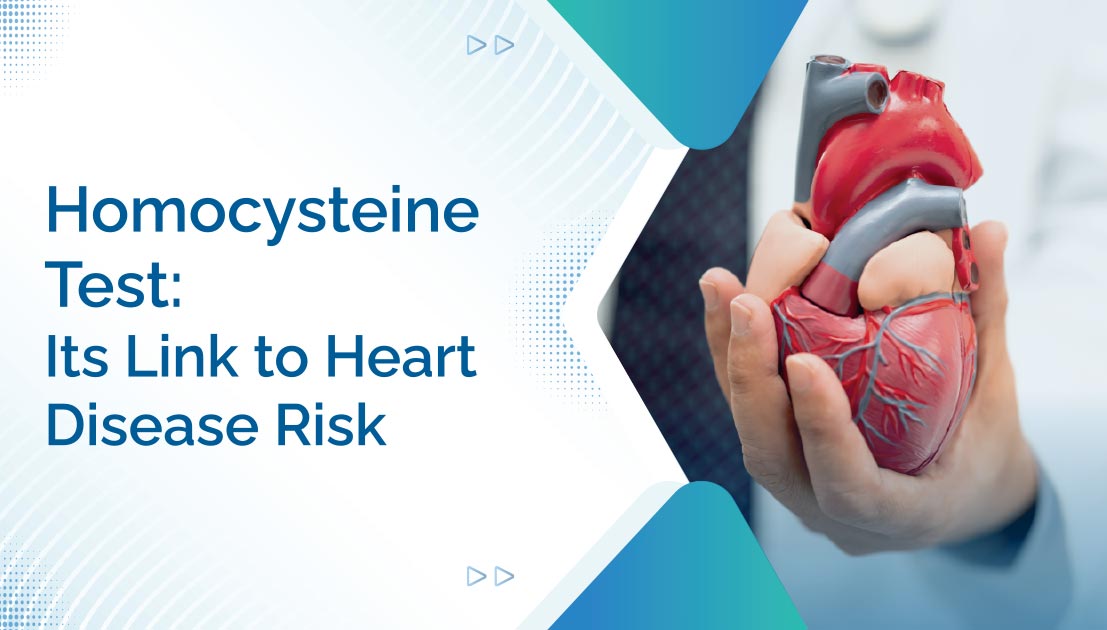


Homocysteine is an amino acid produced naturally as the body processes protein, but when levels climb too high, it has been associated with an increased risk of heart disease, stroke, and blood clots. Because homocysteine sits at the intersection of nutrition, genetics, and cardiovascular health, testing for it has become a useful, if sometimes underused, tool in assessing a person's long-term heart risk.
What Is Homocysteine?
Homocysteine is generated during the breakdown of methionine, an amino acid found in protein-rich foods such as meat, fish, and dairy. Under normal circumstances, the body quickly converts homocysteine into other useful compounds with the help of Vitamin B12, folate, and Vitamin B6.
When this conversion process is disrupted, whether due to vitamin shortages, genetic factors, or kidney problems, homocysteine can accumulate in the blood. Chronically elevated levels, a condition known as hyperhomocysteinemia, have drawn attention from researchers studying cardiovascular disease.
The Link Between Homocysteine and Heart Disease
Elevated homocysteine has been associated with damage to the inner lining of blood vessels, increased oxidative stress, and a higher tendency for blood to clot. These mechanisms are thought to contribute to atherosclerosis, the buildup of plaque inside artery walls that underlies most heart attacks and strokes.
Several studies have found that people with higher homocysteine levels face an increased risk of cardiovascular events compared to those with normal levels. However, researchers continue to debate whether homocysteine directly causes vascular damage or whether it simply serves as a marker for other underlying issues, such as poor vitamin status or kidney function.
Who Should Consider Testing
Homocysteine testing is not part of routine annual bloodwork for most people, but certain groups may benefit from it. Individuals with a personal or family history of early heart disease or stroke, unexplained blood clots, or a known genetic mutation affecting folate metabolism are often good candidates.
People with poor dietary intake of B vitamins, those with kidney disease, and individuals taking medications that interfere with folate or B12 absorption may also be considered for testing, particularly if other cardiovascular risk factors are already present.
Symptoms Associated With High Homocysteine
Elevated homocysteine itself often produces no noticeable symptoms, which is part of why testing is valuable for people at risk. In some cases, particularly with very high levels caused by genetic conditions, individuals may experience blood clots, developmental issues, or vision problems, but these presentations are relatively rare.
For most adults, the concern is less about acute symptoms and more about the long-term, cumulative impact that elevated levels may have on blood vessel health over years or decades.
How the Test Works
A homocysteine test requires a blood sample drawn from a vein, typically after a period of fasting to ensure accurate results, since recent protein intake can temporarily raise levels. Your doctor will provide specific instructions on how long to fast beforehand.
Results are usually available within a few days. Because homocysteine levels are closely tied to Vitamin B12 and folate status, doctors often order these tests together to get a fuller picture of what might be driving an abnormal result.
Interpreting Your Results
Normal homocysteine levels vary somewhat by laboratory, but elevated results generally prompt a closer look at B vitamin status, kidney function, and lifestyle factors such as smoking, since these all influence homocysteine metabolism. In many cases, elevated homocysteine caused by a vitamin shortage responds well to supplementation.
Your doctor will consider your homocysteine level alongside your broader cardiovascular risk profile, including cholesterol, blood pressure, and family history, rather than treating it as a standalone diagnosis.
Lowering Homocysteine Levels
For people with elevated homocysteine linked to low B12, folate, or B6, supplementation with these vitamins often brings levels down effectively. Dietary changes that increase intake of leafy greens, legumes, fish, and fortified grains can also help.
It is worth noting that while B vitamin supplementation reliably lowers homocysteine levels, research has produced mixed results on whether this translates directly into fewer heart attacks or strokes. This is why homocysteine is generally viewed as one piece of a larger cardiovascular risk assessment rather than a target to chase in isolation.
Conclusion
Homocysteine testing offers a window into a lesser-known but potentially meaningful contributor to heart disease risk. While it is not a routine test for everyone, it can add valuable information for people with a family history of early cardiovascular disease, unexplained clotting, or suspected vitamin deficiencies. If you fall into a higher-risk category, discussing this test with your doctor can help build a more complete picture of your cardiovascular health.
Food-related reactions are often lumped together under a single umbrella, but food...
17-09-2026
For decades, cholesterol testing has been the cornerstone of cardiovascular risk...
17-09-2026

Chronic fatigue syndrome (chronic fatigue syndrome), also known as myalgic encephalomyelitis...
17-09-2026
Book lab tests, access reports instantly, and get seamless home sample collection with advanced technology.
Trusted by millions, Ampath Labs ensures accurate diagnostics, convenience, and care at your fingertips.



 Select Location



 Get 15% OFF on 1st order above ₹100 Use code:



































































.jpg)