
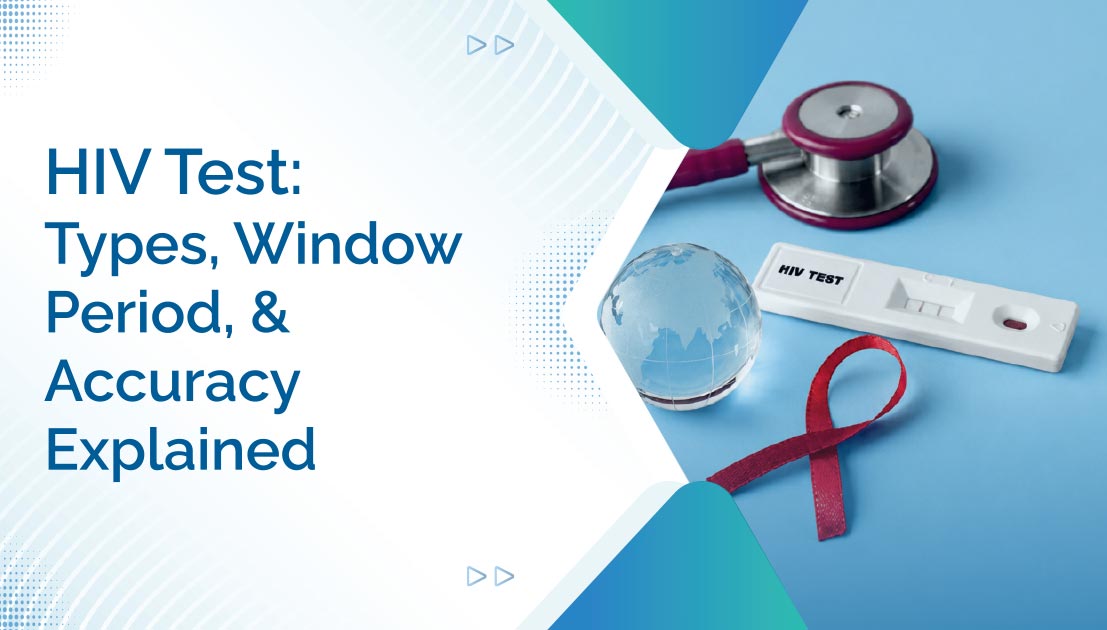


HIV testing has advanced significantly since the early days of the epidemic, becoming faster, more accurate, and more accessible than ever before. Understanding the different types of HIV tests available, how the window period affects accuracy, and what results mean can help remove some of the anxiety that often surrounds the testing process.
Why HIV Testing Matters
Early detection of HIV allows treatment to begin sooner, which significantly improves long-term health outcomes and reduces the risk of transmission to others. Modern antiretroviral therapy can help people with HIV live long, healthy lives and, when the virus is suppressed to undetectable levels, prevents sexual transmission to partners.
Because HIV often produces no symptoms for years after initial infection, testing remains the only reliable way to know one's status, which is why health organizations recommend routine screening as part of standard healthcare for many adults.
Types of HIV Tests
There are three main categories of HIV tests, each detecting different markers of infection. Antibody tests look for the antibodies the immune system produces in response to HIV, and can be performed on blood or oral fluid. Antigen/antibody tests, also called fourth-generation tests, detect both HIV antibodies and a viral protein called p24, allowing for earlier detection than antibody-only tests.
Nucleic acid tests, or NATs, look directly for the virus's genetic material in the blood and can detect infection earlier than either antibody or antigen/antibody tests, though they are typically reserved for situations involving recent high-risk exposure or when early symptoms suggest acute infection.
Understanding the Window Period
The window period refers to the time between potential exposure to HIV and when a test can reliably detect infection. Antibody tests generally have the longest window period, often requiring several weeks to a few months after exposure for accurate results. Antigen/antibody tests typically shorten this window to around three to four weeks, while nucleic acid tests can sometimes detect the virus within seven to ten days after exposure.
Testing too early after a potential exposure increases the chance of a false negative result, since the body may not yet have produced detectable antibodies or reached a measurable viral load. Healthcare providers can advise on appropriate timing and whether follow-up testing is recommended after the initial window period has passed.
How Testing Is Performed
HIV testing can be done through a standard blood draw from a vein, a fingerstick blood sample, or an oral fluid swab, depending on the specific test being used. Rapid tests, which can provide results in as little as twenty minutes, are widely available at clinics, community health centers, and some pharmacies.
For more precise, early detection, particularly after a known high-risk exposure, a laboratory-based blood test offers greater sensitivity than rapid point-of-care tests, though it typically requires a few days for results.
What a Positive Result Means
A preliminary positive result on a screening test is always followed by a confirmatory laboratory test to verify the diagnosis before any treatment decisions are made. This two-step process helps prevent the rare possibility of a false positive from leading to unnecessary distress or incorrect information.
Once HIV infection is confirmed, healthcare providers typically begin discussing antiretroviral therapy promptly, since early treatment initiation is strongly associated with better long-term health outcomes and helps reduce the risk of transmitting the virus to others.
What a Negative Result Means
A negative result outside the window period generally provides reliable reassurance that HIV infection is not present. However, if testing occurs too soon after a potential exposure, a negative result may not be conclusive, and your healthcare provider may recommend repeat testing after the appropriate window period has passed.
For individuals at ongoing risk of exposure, routine periodic testing, sometimes combined with preventive medication such as pre-exposure prophylaxis, offers an additional layer of protection alongside safer sex practices.
Confidentiality and Access
Many testing sites offer confidential or anonymous HIV testing, and home testing kits have also become more widely available, allowing people to test privately before deciding whether to seek follow-up care. Community health organizations and clinics often provide free or low-cost testing options to reduce barriers to access.
Conclusion
Modern HIV testing offers fast, accurate, and increasingly accessible options for determining one's status, with newer test types shortening the window period considerably compared to older methods. Understanding which test is appropriate for your situation, and when to test relative to a potential exposure, helps ensure accurate results and timely access to care if needed.

Food-related reactions are often lumped together under a single umbrella, but food...
17-09-2026
For decades, cholesterol testing has been the cornerstone of cardiovascular risk...
17-09-2026
Chronic fatigue syndrome (chronic fatigue syndrome), also known as myalgic encephalomyelitis...
17-09-2026
Book lab tests, access reports instantly, and get seamless home sample collection with advanced technology.
Trusted by millions, Ampath Labs ensures accurate diagnostics, convenience, and care at your fingertips.



 Select Location


 Get 15% OFF on 1st order above ₹100 Use code:



































































.jpg)