
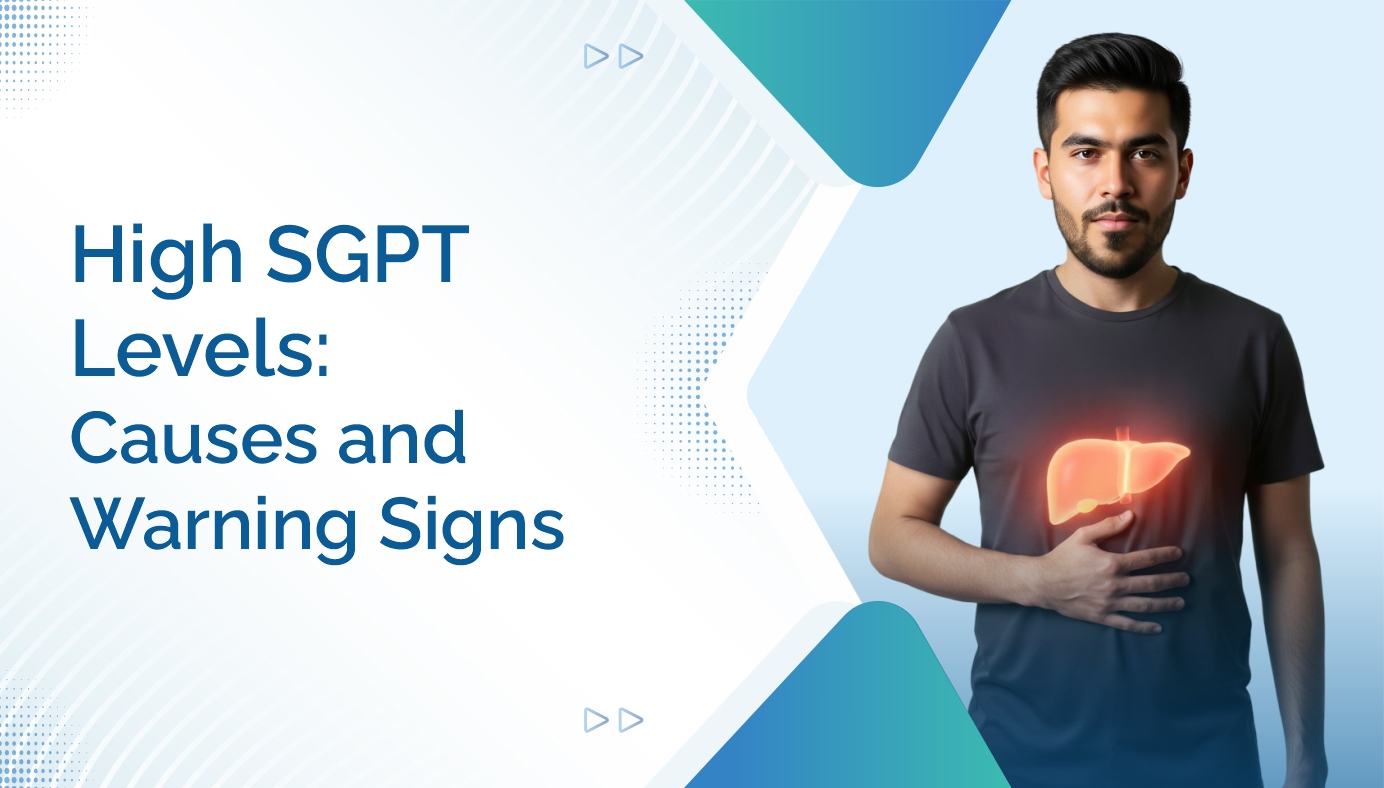


Your liver quietly processes hundreds of chemical reactions every day. When something disrupts that process, the body sends signals—and one of the earliest and most reliable of those signals is an elevated SGPT level. If a recent blood test flagged your SGPT as high, understanding what that means can help you take the right steps forward.
What Is SGPT?
SGPT stands for Serum Glutamate Pyruvate Transaminase, also known as Alanine Aminotransferase (ALT). It is an enzyme found primarily in liver cells. Small amounts also exist in the kidneys, heart, and muscles.
When liver cells are damaged or inflamed, SGPT leaks into the bloodstream. A blood test can then detect elevated concentrations of the enzyme, serving as a reliable indicator of liver stress or injury.
What Is a Normal SGPT Level?
Normal SGPT levels typically range from 7 to 56 units per liter (U/L) of blood, though reference ranges may vary slightly between laboratories. Values above this range warrant further investigation, regardless of how significant the elevation appears.
Common Causes of High SGPT Levels
SGPT levels rise for a variety of reasons. Some causes are temporary and lifestyle-related, while others reflect serious underlying conditions.
1. Non-Alcoholic Fatty Liver Disease (NAFLD)
NAFLD is one of the most common causes of elevated SGPT globally. It occurs when excess fat accumulates in the liver, often linked to obesity, insulin resistance, and high triglyceride levels. In many cases, it develops silently without obvious symptoms in its early stages.
2. Alcoholic Liver Disease
Regular, heavy alcohol consumption damages liver cells over time. Even moderate alcohol use can temporarily raise SGPT levels. The more significant the alcohol-related damage, the higher the enzyme elevation tends to be.
3. Viral Hepatitis
Hepatitis A, B, and C are well-established causes of markedly elevated SGPT. These viral infections trigger widespread liver cell inflammation, causing significant enzyme release into the bloodstream. Hepatitis B and C can become chronic, leading to persistent SGPT elevation.
4. Medications and Supplements
Several prescription medications, over-the-counter drugs, and herbal supplements are hepatotoxic—meaning they can stress or damage the liver. Common culprits include:
Always inform your doctor about all medications and supplements you take before a liver function test.
5. Autoimmune Hepatitis
In autoimmune hepatitis, the immune system mistakenly attacks liver cells. This condition causes chronic inflammation and, if untreated, can lead to cirrhosis. SGPT levels are often persistently elevated in patients with this condition.
6. Celiac Disease
Research has established a link between celiac disease and elevated liver enzymes, including SGPT. In some patients, adhering to a strict gluten-free diet normalizes enzyme levels over time.
7. Thyroid Disorders
Both hypothyroidism and hyperthyroidism can affect liver function and raise SGPT levels. Thyroid function tests are often ordered alongside liver panels to investigate unexplained enzyme elevations.
8. Strenuous Physical Exercise
Intense physical activity, particularly heavy weightlifting or endurance training, can temporarily raise SGPT levels due to muscle breakdown. This is generally harmless and resolves within days of rest.
9. Cirrhosis and Advanced Liver Disease
In chronic liver disease, persistent inflammation leads to scarring (fibrosis) and eventually cirrhosis. While SGPT levels may actually decrease in end-stage cirrhosis due to significant reduction in functional liver cells, elevated SGPT is a common finding in earlier stages.
Warning Signs to Watch For
High SGPT levels do not always cause noticeable symptoms—especially in the early stages of liver disease. However, certain warning signs suggest the liver may be under significant stress and require prompt medical attention.
Persistent Fatigue
Unexplained, lasting fatigue is one of the most consistent signs of liver dysfunction. The liver plays a central role in energy metabolism, and impaired function can leave the body feeling chronically drained.
Jaundice
Yellowing of the skin or whites of the eyes (jaundice) indicates that bilirubin—a waste product processed by the liver—is accumulating in the blood. This is a key warning sign that liver function is significantly compromised.
Abdominal Discomfort or Swelling
Discomfort, tenderness, or a feeling of fullness in the upper right abdomen (where the liver is located) can signal liver inflammation or enlargement. In more advanced liver disease, fluid accumulation in the abdomen (ascites) may cause noticeable swelling.
Nausea and Loss of Appetite
Liver dysfunction commonly disrupts digestion and appetite regulation. Persistent nausea, vomiting, or a marked decrease in appetite alongside elevated SGPT warrants further evaluation.
Dark Urine and Pale Stools
Dark-colored urine (often described as tea-colored) and pale or clay-colored stools can indicate disrupted bile flow—a sign of liver or bile duct problems.
Easy Bruising or Bleeding
The liver produces clotting factors essential for normal blood coagulation. When liver function deteriorates, bruising easily or prolonged bleeding from minor cuts can occur.
How Is High SGPT Diagnosed and Evaluated?
A single elevated SGPT result does not provide a diagnosis on its own. Physicians typically order a full liver function panel (LFT), which includes:
Depending on the results, additional tests may include viral hepatitis screening, imaging studies (ultrasound or CT scan), thyroid function tests, and in some cases, a liver biopsy.
When Should You See a Doctor?
Mild, isolated SGPT elevations—particularly those linked to recent intense exercise or short-term medication use—often resolve without treatment. However, medical consultation is strongly advised when:
Early detection and accurate diagnosis are essential. Many liver conditions are highly manageable when identified before significant damage occurs.
Conclusion
High SGPT levels serve as the body's early warning system—a prompt to investigate what may be affecting your liver before problems progress. Whether the cause is dietary, viral, or medication-related, timely testing and professional guidance make a meaningful difference in outcomes.
Regular liver function tests, especially for individuals with known risk factors, are a straightforward and effective way to stay ahead of liver disease. Consult your healthcare provider if your SGPT levels are outside the normal range, and prioritize a comprehensive diagnostic evaluation for complete clarity on your liver health.

Food-related reactions are often lumped together under a single umbrella, but food...
17-09-2026

For decades, cholesterol testing has been the cornerstone of cardiovascular risk...
17-09-2026

Chronic fatigue syndrome (chronic fatigue syndrome), also known as myalgic encephalomyelitis...
17-09-2026
Book lab tests, access reports instantly, and get seamless home sample collection with advanced technology.
Trusted by millions, Ampath Labs ensures accurate diagnostics, convenience, and care at your fingertips.




 Select Location



 Get 15% OFF on 1st order above ₹100 Use code:



































































.jpg)