
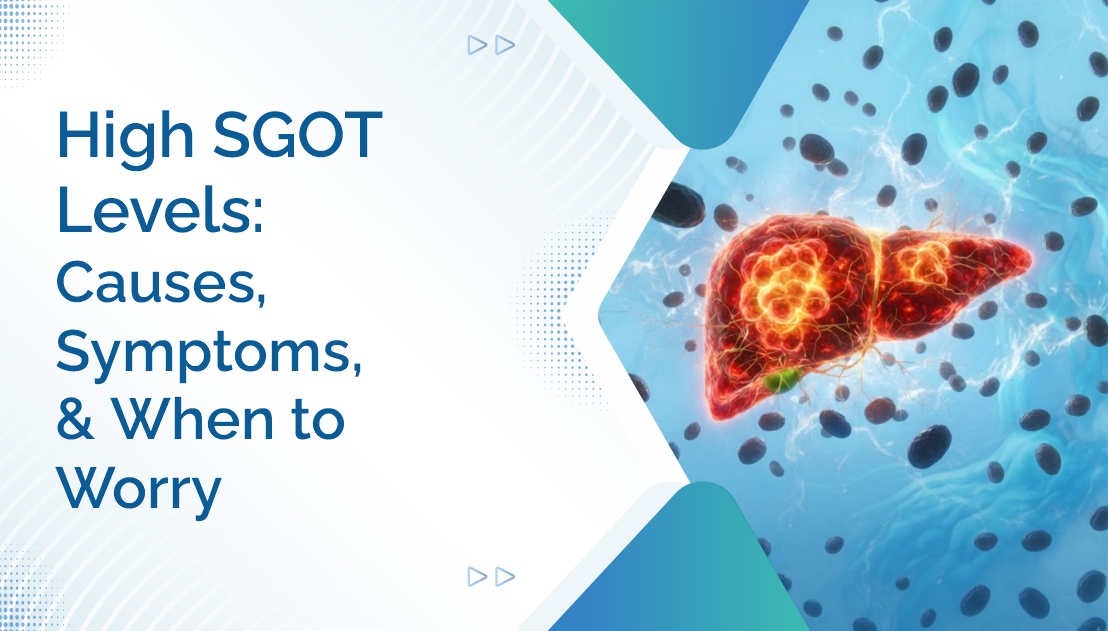


The liver performs hundreds of essential functions, from filtering toxins to producing vital proteins. To monitor the health of this crucial organ, healthcare providers often rely on specific blood tests that measure liver enzymes. One of the most common markers analyzed during a routine liver function test is SGOT, also known as AST (aspartate aminotransferase).
An SGOT test measures the concentration of this enzyme in the bloodstream. Typically, SGOT resides inside your organs and tissues. When cells in the liver, heart, or muscles sustain damage, they release this enzyme into the blood, causing your SGOT levels to rise. Identifying elevated levels is a critical step in diagnosing underlying health conditions before they progress.
What is an SGOT (AST) Test?
An SGOT test is a straightforward blood test used to evaluate liver health and detect tissue damage. Medical professionals frequently order this test as part of a comprehensive metabolic panel or a specific liver panel. While SGOT is highly concentrated in the liver, it is also present in the heart, kidneys, brain, and skeletal muscles.
Because this enzyme exists in multiple organs, a high SGOT result does not exclusively point to liver disease. Physicians typically compare SGOT levels with another enzyme called SGPT (ALT) to pinpoint the exact source of the cellular damage.
Normal SGOT Range
Reference ranges can vary slightly depending on the specific diagnostic center and the testing methods used. Generally, the normal range for SGOT is between 8 and 45 units per liter (U/L) of blood. Men often have slightly higher baseline levels than women. Results that fall outside this standard range require further medical evaluation to determine the underlying cause.
Common Causes of High SGOT Levels
Elevated SGOT levels function as an alert system for the body. The specific cause can range from temporary, benign issues to chronic medical conditions. Healthcare providers categorize these causes into liver-related and non-liver-related conditions.
Liver-Related Conditions
Since the liver contains a high concentration of SGOT, liver impairment is a primary reason for elevated enzyme levels. Common hepatic causes include:
Non-Liver Causes
Because SGOT is present throughout the body, damage to other organs will also elevate your blood levels. These non-liver causes include:
Recognizing the Symptoms of Elevated SGOT
High SGOT levels themselves do not produce symptoms. Instead, patients experience symptoms related to the underlying condition causing the tissue damage. If your elevated SGOT is tied to a liver condition, you may observe the following clinical signs:
When Should You Worry About High SGOT?
Receiving a lab report with high SGOT levels requires medical consultation, but panic is unnecessary. The degree of elevation provides physicians with important diagnostic clues.
Mild elevations typically two to three times the upper limit of normal are common and often result from reversible factors such as recent heavy exercise, minor alcohol consumption, or a temporary reaction to medication. In these cases, your doctor will likely recommend lifestyle adjustments and schedule a follow-up test to ensure levels return to baseline.
Moderate to severe elevations ranging from ten to over a hundred times the normal limit indicate acute cellular damage. Extremely high numbers are frequently seen in cases of acute viral hepatitis, severe toxic liver injury from medication overdose, or conditions restricting blood flow to the liver. These results require immediate, comprehensive medical intervention to prevent permanent organ damage.
Diagnosing and Managing Elevated Liver Enzymes
If your diagnostic tests reveal high SGOT levels, your healthcare provider will implement a systematic approach to identify the root cause. This typically involves analyzing the ratio of SGOT to SGPT (AST/ALT ratio). For example, an SGOT level that is more than double the SGPT level strongly indicates alcohol-related liver disease.
To achieve an accurate diagnosis, your doctor may order additional diagnostic services, including:
Management strategies depend entirely on the final diagnosis. Treatment may involve antiviral medications for hepatitis, adjusting current prescriptions, implementing a supervised weight loss plan for fatty liver disease, or ceasing alcohol consumption entirely.
Conclusion
Proactive healthcare ensures that minor physiological changes are addressed before they become chronic medical conditions. Regular diagnostic testing provides a clear, accurate picture of your internal health, allowing you to make informed decisions alongside your medical provider.
If you are experiencing symptoms of liver distress, or if it is time for your annual health assessment, rely on professional diagnostic services to guide your next steps. Schedule a comprehensive liver function test with a trusted pathology lab today to secure your health assurance and gain peace of mind.

Summer brings increased outdoor activities, higher temperatures, and a natural shift...
29-04-2026

Blood tests are one of the most reliable tools doctors use to assess your overall...
29-04-2026
Prolactin is an essential hormone produced by the pituitary gland, a small organ...
29-04-2026
Diabetes
95
Infertility
7
Hypertension (High BP)
1
Metabolic Disorders
1
Vitamin Deficiency
15
Heart Disease & Hypertension
39
Gastrointestinal
2
Infectious
1
Genomics
1
Genetics
1
Gastrointestinal / Skeletomuscular
2
Allergy
9
Blood Disorders
3
Fever
4
Kidney Disease
8
Thyroid Disorder
5
Liver Disease
6
Anemia
5
PCOD
3
Bone Health
1
Cancer
1
Fatty Liver
1
Book lab tests, access reports instantly, and get seamless home sample collection with advanced technology.
Trusted by millions, Ampath Labs ensures accurate diagnostics, convenience, and care at your fingertips.




 Select Location



 Get 15% OFF on 1st order above ₹100 Use code: